Anúncios
Summer streetwear lives in a very specific space — somewhere between comfort, attitude, and visual identity — and getting that balance right is what separates a look that genuinely lands from one that just looks like someone wearing casual clothes.
Unlike resort or vacation fashion, which leans toward softness and a kind of effortless elegance, streetwear is built around presence. It communicates personality before it communicates anything else. The clothes tell a story about who’s wearing them before anyone reads the specific pieces or their coordination. That communicative quality is what gives the style its power — and also what makes summer a genuinely interesting challenge for it.
Anúncios
The difficulty is maintaining that signature edge without making the outfit feel heavy, layered, or visually overwhelming in the heat. Summer streetwear can’t rely on the same tools that carry the look through fall and winter. The hoodies, the heavier layers, the darker textures that create depth in colder months — all of them become liabilities when the temperature rises. The style has to evolve, and the best versions of modern summer streetwear have done exactly that.
What’s emerged is something lighter, cleaner, and considerably more strategic than the heavy layering that once defined the aesthetic. It keeps the confidence and individuality that make streetwear compelling while adapting to the reality of heat, movement, and longer days spent outdoors. The best summer streetwear looks feel completely effortless — spontaneous, even. But behind that effortlessness, there’s always structure. Silhouette, proportion, fabric choice, and footwear all work together to create the final mood, even when the result looks like it required no thought at all.
Anúncios
Silhouette Is Where Streetwear Begins
More than color, branding, or any specific trend, streetwear is fundamentally connected to shape. The way clothing sits on and moves with the body is what creates the visual impact — and in summer, managing that shape requires a slightly different approach than colder months allow.
Summer streetwear works best when there’s contrast in volume between different pieces. An oversized tee paired with fitted shorts. A relaxed open shirt with straight trousers. A loose tank with wide-leg cargo shorts. A boxy tee with slightly baggier denim. Each of these combinations creates a dynamic visual tension that keeps the look interesting — one piece providing volume while the other provides definition, so neither dominates entirely.
If every piece is equally oversized, the look collapses into something that reads as simply underdressed rather than intentionally relaxed. If everything is too fitted, it loses the ease and attitude that make streetwear what it is. The balance between these extremes is where the style actually lives, and summer makes finding that balance feel slightly more urgent because there are fewer layers available to create depth or correct proportions.
The Oversized T-Shirt as the Foundation
If there’s a single piece that defines summer streetwear more than any other, it’s the oversized t-shirt — and the specific qualities of that piece matter considerably more than they might initially seem.
The best versions are built on structured cotton that holds its shape through a full day of wear rather than collapsing into something that just looks old. Slightly dropped shoulders, a boxy cut, and a clean sleeve shape create the silhouette that streetwear requires without adding physical bulk that becomes uncomfortable in the heat. These technical details are subtle when the shirt is on the body, but they’re the difference between a piece that looks deliberately chosen and one that looks like something grabbed at random.
Graphics can work well in streetwear contexts, but minimal versions often feel more premium — partly because they age better, and partly because they let the silhouette and proportion do the work rather than relying on print for visual interest. Strong color choices include white, black, faded gray, washed olive, and muted navy. Vintage-washed finishes add texture and dimension that give the piece character without requiring additional layers — a quality that becomes increasingly valuable as temperatures rise.
Shorts That Actually Work
Shorts are one of the strongest summer streetwear essentials, but the category covers an enormous range of options and not all of them serve the style equally well.
The fit and length are where the most important decisions happen. Longer tailored shorts, cargo styles, relaxed denim cuts, and technical nylon options all create different moods while sharing the quality of feeling intentional rather than default. Lengths that hit around the knee tend to produce the strongest streetwear silhouette — proportionate to oversized tops without disrupting the visual balance that contrast volume requires. Shorts that are too short shift the look away from streetwear and toward something more athletic or resort-oriented.
Cargo shorts remain particularly relevant because the utility details — the pockets, the hardware, the slight additional volume — add character and visual interest that plain shorts can’t always provide. They give the outfit something to read beyond just the fit and the color. In terms of palette, black, khaki, gray, olive green, and stone all perform well because they integrate naturally with the tones that summer streetwear tends to favor without competing with the stronger piece in the combination.
Lightweight Layering for Summer
Even in summer heat, layering still plays a meaningful role in streetwear — the difference is that it becomes considerably lighter and more strategic than what colder months allow.
Overshirts in breathable fabrics are the most effective tool here. Short-sleeve open shirts, lightweight cotton button-ups worn open over a tank or tee, mesh overshirts, and technical nylon layers all create depth and visual interest without trapping heat or adding significant weight to the look. The key is wearing them open rather than buttoned — the open layer adds a compositional element and creates the kind of relaxed structure that streetwear uses to differentiate itself from simply wearing minimal clothing.
This approach becomes especially effective for evening summer streetwear, when the temperature drops enough to make a light layer feel welcome rather than excessive. The same outfit that ran hot during the afternoon becomes perfectly calibrated once the sun goes down and the overshirt comes into its own.
Footwear Defines the Entire Register
In streetwear perhaps more than any other style, shoes don’t just complete the look — they determine what kind of look it is. The same combination of oversized tee and relaxed shorts reads entirely differently depending on what’s on the feet.
Summer streetwear footwear generally works best across three distinct directions. Clean, minimal sneakers in white, gray, black, or tonal colorways create a more refined and contemporary streetwear aesthetic that leans toward the polished end of the spectrum. Chunky sneakers bring stronger visual presence and a more classic, statement-driven streetwear energy that works particularly well with simpler, more monochrome clothing combinations. Skate-inspired low-profile silhouettes create a casual urban identity that feels authentic and relaxed without trying too hard.
The choice between these directions changes the personality of the outfit significantly. An oversized tee with relaxed shorts and chunky sneakers creates an immediately recognizable city silhouette with genuine visual weight. The same tee with the same shorts and clean white minimal sneakers reads as more considered and contemporary. Neither is wrong — they’re just different versions of the same story.
Accessories That Do Real Work
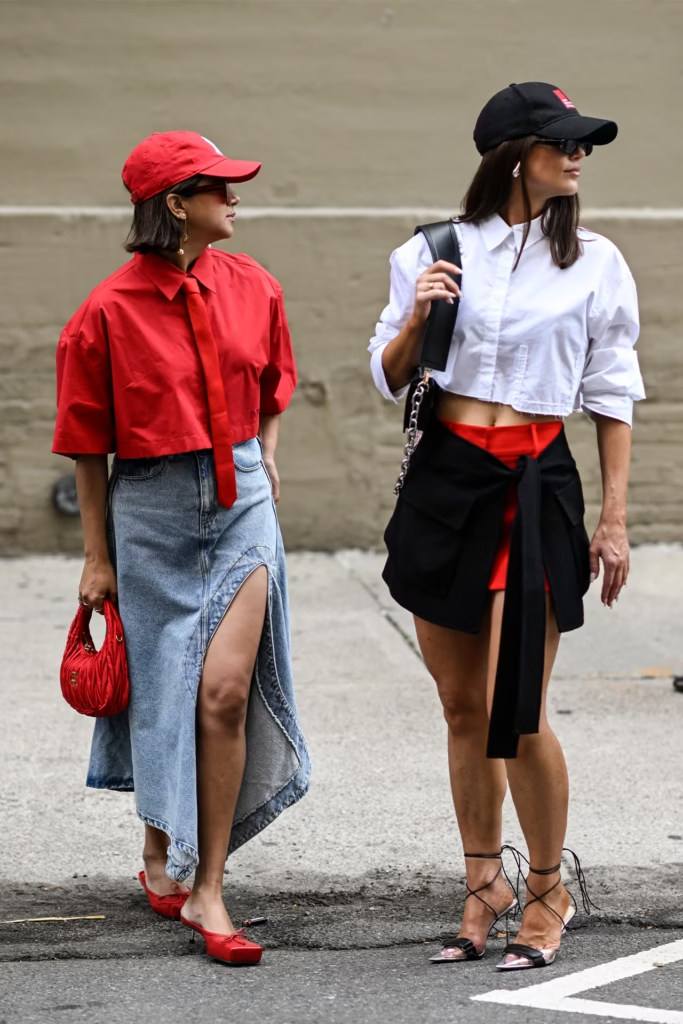
Because summer streetwear reduces the number of clothing layers available to create visual interest, accessories carry more responsibility than they do in other seasonal iterations of the style. Each detail becomes more visible precisely because there’s less surrounding it.
Caps, crossbody bags, sunglasses, chain necklaces, and minimal rings all contribute to the streetwear identity in ways that feel both functional and intentional. A crossbody bag in particular is one of the most effective streetwear accessories for summer — it solves the practical problem of carrying things without a jacket while also reinforcing the visual language of the style. Neutral colors across accessories tend to work best — black, gray, olive, and beige all integrate naturally without competing with the clothing for attention.
Sunglasses deserve more consideration than they often get in streetwear styling. Beyond their obvious practical function, the shape and character of the frame communicates something specific about the personality of the look. A more architectural frame feels different from a classic aviator, which feels different again from something more retro or unusual. That specificity is exactly what streetwear is built on — and in summer, where each choice is more exposed, that specificity matters more.
Monochrome as a Modern Direction
One of the strongest contemporary summer streetwear aesthetics is the monochrome approach — all black, all gray, all beige, all olive — and its appeal makes sense once you understand what it’s doing.
Monochrome dressing creates an immediate sense of intention. When every piece shares a color family, the outfit reads as considered regardless of the individual quality or complexity of any single piece. It also has the useful effect of making affordable clothing appear considerably more elevated — the cohesion does work that expensive individual pieces would otherwise need to do. And in streetwear, where the culture has always had a complex relationship with accessibility and authenticity, that democratizing quality feels genuinely appropriate.
Monochrome doesn’t require bright graphics or complex coordination. Sometimes the most impactful streetwear looks are the quietest ones — where everything is speaking the same language so clearly that no single piece needs to shout.
Day to Night Adaptability
Summer streetwear has a natural adaptability between daytime and evening that makes it particularly practical for the longer days the season provides.
During the day, the look typically stays lighter: breathable fabrics, shorts, clean sneakers, and a cap that serves as much a functional role as an aesthetic one. As the evening arrives and the light changes, the same base can shift toward darker tones, stronger accessories, and the addition of an overshirt layer that wasn’t necessary during the afternoon heat. The transition feels natural rather than forced because the foundation was built to accommodate it.
This adaptability is one of the most underappreciated qualities of well-considered summer streetwear. It’s not just a daytime aesthetic or an evening aesthetic — it’s a framework that can move between both without requiring a full outfit change.
Why Summer Makes Every Streetwear Choice Matter More
The most common mistake in summer streetwear is attempting to transplant winter formulas directly into a warmer context — and the results almost always feel disconnected from the season. Heavy hoodies in summer heat, thick layers that trap warmth, dark and dense combinations that made perfect sense in October — all of them lose their power when the context changes, because streetwear is always in conversation with its environment.
Summer streetwear should breathe. The energy should remain urban, confident, and distinctly individual — but lighter. More exposed. More immediate.
And that exposure is ultimately what makes the summer version of the style so compelling. With fewer layers available, every choice becomes more visible. The tee. The fit. The sneakers. The single accessory that shifts the entire personality of the look. Each detail speaks more loudly than it would in a more layered context — which means the decisions matter more, and the rewards for getting them right are greater.
That visibility is what makes summer streetwear, at its best, one of the most direct and powerful expressions of personal style in the entire fashion calendar.