The Evolution of Messaging for Android Devices
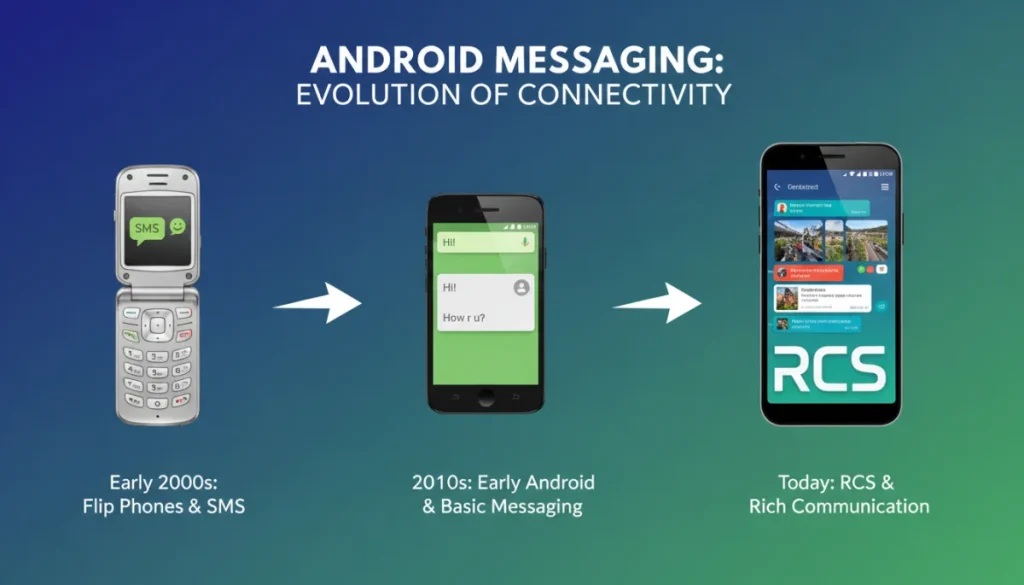
The evolution of messaging for Android devices has dramatically reshaped how users communicate, transitioning from simple text messages to sophisticated multimedia platforms with enhanced features and security.
Since its inception, the evolution of messaging for Android devices has been a dynamic journey, mirroring the rapid advancements in mobile technology itself. What started as rudimentary text-based communication has blossomed into a complex ecosystem of instant messaging apps and rich communication services, fundamentally altering how we connect in our daily lives.
The Dawn of Android Messaging: SMS and MMS Foundations
In the early days of Android, messaging was largely defined by SMS (Short Message Service) and MMS (Multimedia Messaging Service). These technologies, inherited from feature phones, provided the basic framework for sending text and simple multimedia content. While functional, they were limited in scope and lacked the interactive capabilities we now take for granted.
The initial Android messaging applications were straightforward, prioritizing reliability over feature richness. Users could send and receive messages, attach photos, and engage in group chats, albeit with often clunky interfaces and file size restrictions. This foundational period set the stage for future innovations, highlighting the need for more robust and versatile communication tools as smartphone capabilities grew.
Early Limitations and User Experience
Early Android messaging experiences were often hampered by several factors. Character limits for SMS, expensive MMS charges, and a lack of unified platforms meant that communication could be fragmented and costly. The absence of read receipts or typing indicators also made conversations less fluid and immediate.
- Character Limits: SMS messages were restricted to 160 characters, forcing users to condense their thoughts.
- MMS Constraints: Multimedia messages were often compressed, leading to poor image and video quality.
- Cost Implications: Sending SMS and MMS often incurred per-message charges, unlike data-based messaging.
- Fragmented Communication: No single, integrated platform existed for all types of messages.
Despite these limitations, SMS and MMS were indispensable, serving as the primary communication channels for millions. They established the habit of mobile messaging, paving the way for the next wave of innovation.
The Rise of Third-Party Messaging Apps: A Paradigm Shift
The limitations of native SMS/MMS clients quickly became apparent as internet connectivity on Android devices improved. This created a fertile ground for third-party messaging applications, which leveraged data networks to offer richer, more affordable, and feature-packed communication experiences. Apps like WhatsApp, Facebook Messenger, and later Telegram and Signal, fundamentally changed the landscape.
These new platforms offered features that native SMS/MMS simply couldn’t, such as free international messaging, group chat capabilities with unlimited participants, and the ability to share high-quality media without compression. This shift marked a significant turning point, moving messaging from carrier-dependent services to app-based, internet-driven communication.
Key Innovations Introduced by Third-Party Apps
Third-party apps weren’t just about cost savings; they brought a host of new functionalities that redefined user expectations for mobile messaging. These innovations quickly became standard features that users came to expect from any communication platform.
- End-to-End Encryption: Enhanced privacy and security became a major selling point, especially with apps like Signal.
- Rich Media Sharing: Sending high-resolution photos, videos, and even documents without significant quality loss.
- Voice and Video Calls: Integrated calling features within the messaging app, often over Wi-Fi or data.
- Stickers and Emojis: A more expressive way to communicate beyond standard emoticons.
- Group Chats and Broadcast Lists: Advanced tools for managing conversations with multiple people.
The proliferation of these apps led to a fragmented messaging environment, where users often had to juggle multiple applications to communicate with different contacts. However, the benefits in terms of features and cost far outweighed the inconvenience for most users, solidifying the dominance of these platforms.
Google’s Messaging Strategy: From Hangouts to Messages
Google’s journey in the messaging space for Android has been characterized by numerous attempts and shifts in strategy. From Google Talk to Hangouts, Allo, Duo, and finally consolidating around Google Messages, the company has continuously sought to establish a unified and competitive messaging solution for its platform. Each iteration aimed to address specific market needs or integrate new technologies, though often leading to user confusion due to the frequent changes.
The current focus on Google Messages, particularly with its adoption of RCS (Rich Communication Services), represents Google’s most concerted effort to provide a compelling native messaging experience that can rival popular third-party apps. This strategy seeks to leverage the ubiquity of Android while offering modern features directly through the default messaging application.
The Evolution of Google’s Messaging Offerings
Google’s history with messaging is a testament to the challenges of competing in a crowded market. Each product brought its own set of features and design philosophies.
- Google Talk: An early, simple instant messaging service integrated with Gmail.
- Hangouts: An attempt to unify messaging, video calls, and SMS across platforms, but ultimately struggled with identity.
- Allo: An AI-powered messaging app that failed to gain significant traction due to its reliance on phone numbers and lack of SMS fallback.
- Duo: A dedicated video calling app, eventually integrated into Google Meet.
- Google Messages: The current flagship, embracing RCS as its core technology.
This long and winding road highlights the difficulty of creating a universally adopted messaging app, even for a company with Google’s resources. The eventual pivot to RCS within Google Messages signals a recognition that a standardized, carrier-supported protocol might be the key to widespread adoption.
The Advent of RCS: The Future of Android Messaging
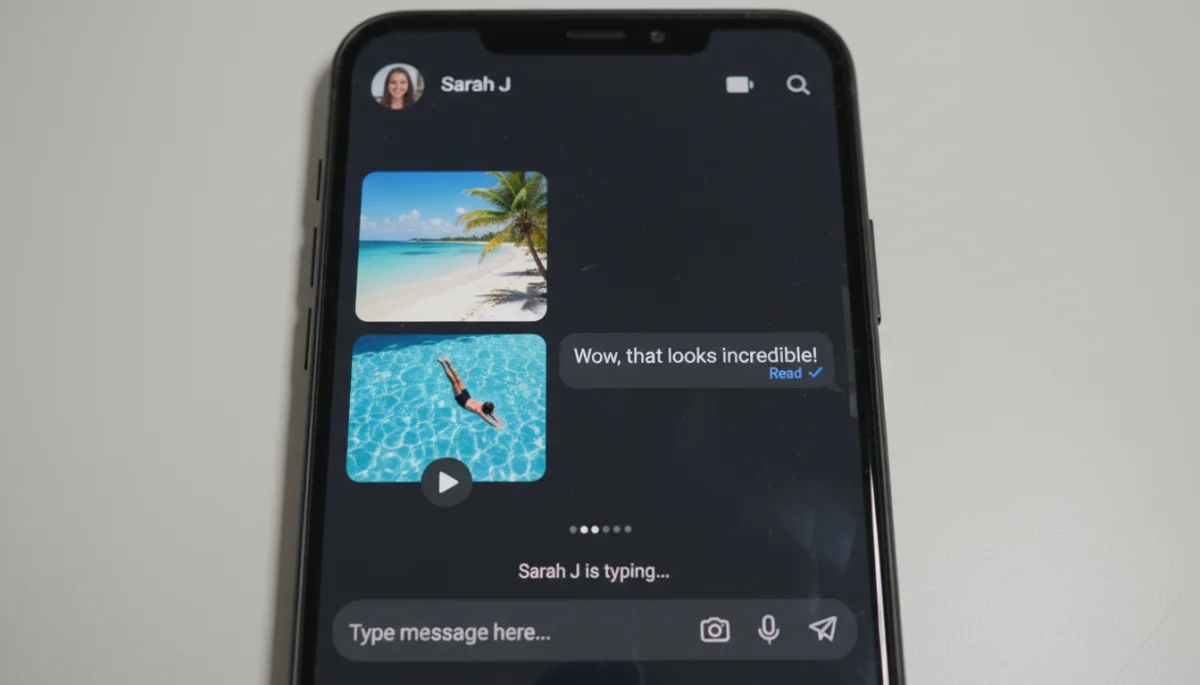
Rich Communication Services (RCS) is widely touted as the successor to SMS, bringing a modern, app-like messaging experience directly to the default messaging application on Android devices. RCS enables features such as high-resolution photo and video sharing, read receipts, typing indicators, larger group chats, and improved security, all without requiring users to download a separate app. It aims to bridge the feature gap between traditional SMS and popular third-party instant messengers.
The adoption of RCS has been a gradual process, requiring collaboration between Google, mobile carriers, and device manufacturers. However, with Google’s push and increasing carrier support, RCS is becoming the standard for Android-to-Android messaging, promising a more unified and feature-rich communication experience for users globally.
RCS Features and Benefits for Android Users
RCS significantly elevates the capabilities of native messaging, offering a suite of features that enhance the user experience and bring it closer to what users expect from modern communication apps.
- High-Quality Media: Send and receive high-resolution images, videos, and audio files.
- Read Receipts and Typing Indicators: See when messages are read and when contacts are typing, fostering more dynamic conversations.
- Larger Group Chats: Support for more participants in group conversations, with enhanced management features.
- Location Sharing: Share your location easily within message threads.
- Enhanced Security: While not end-to-end encrypted by default across all implementations, Google Messages offers end-to-end encryption for one-on-one RCS chats.
- Business Messaging: Enables richer interactions with businesses, including booking appointments and receiving updates.
The widespread implementation of RCS is a critical step towards creating a more seamless and advanced messaging ecosystem on Android, directly competing with proprietary platforms like Apple’s iMessage.
Privacy and Security in Android Messaging
As messaging technologies advance, so too does the importance of privacy and security. Early SMS and MMS messages were largely unencrypted, making them vulnerable to interception. The rise of third-party apps brought end-to-end encryption to the forefront, with apps like Signal and WhatsApp leading the charge in protecting user communications from prying eyes.
Google has also made significant strides in enhancing the security of its native messaging platform. With the implementation of end-to-end encryption for one-on-one RCS chats in Google Messages, Android users can now have a higher degree of confidence in the privacy of their conversations. However, the fragmented nature of the Android ecosystem means that security features can vary depending on the app and carrier, making it a continuous area of focus.
Key Security Features and Best Practices
Understanding the security features available and adopting best practices is crucial for protecting personal communications on Android devices. Users should be aware of what different apps offer.
- End-to-End Encryption (E2EE): Ensures that only the sender and intended recipient can read messages.
- Two-Factor Authentication (2FA): Adds an extra layer of security to messaging accounts.
- Disappearing Messages: Features that automatically delete messages after a set period.
- Privacy Settings: Customizing who can see your online status, read receipts, and profile information.
- App Permissions: Regularly reviewing and restricting unnecessary permissions for messaging apps.
The ongoing commitment to encryption and privacy features is vital for maintaining user trust and ensuring that Android remains a secure platform for personal and professional communication.
The Future of Android Messaging: AI, Interoperability, and Beyond
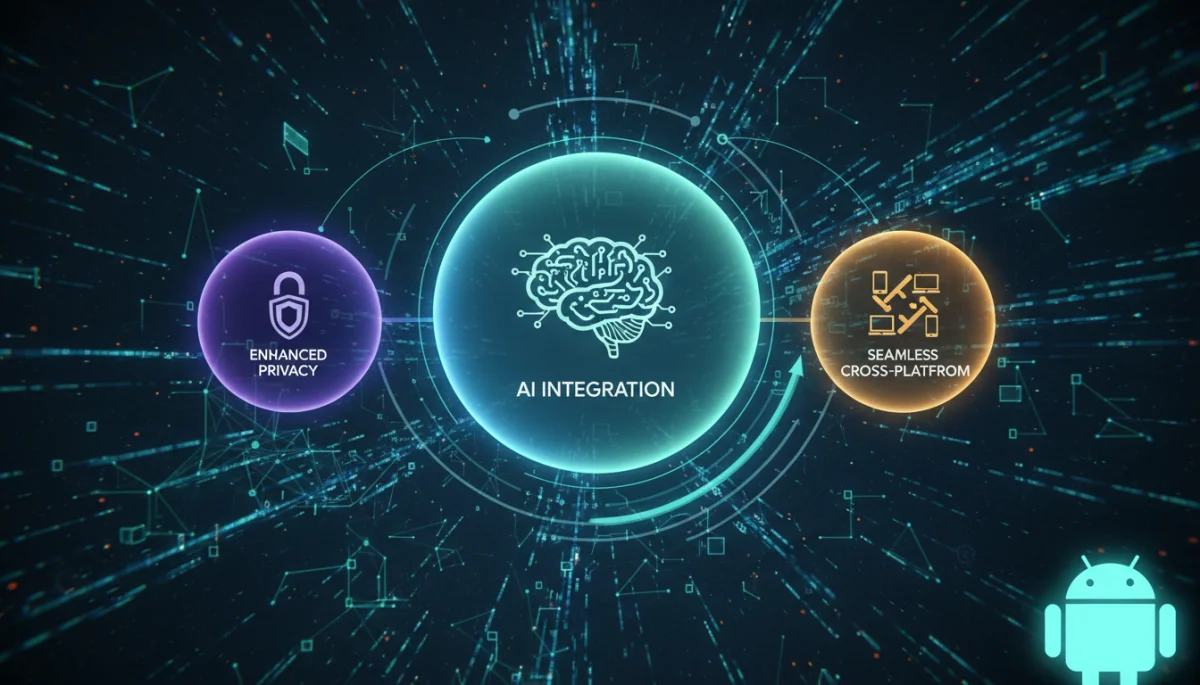
The future of Android messaging is poised for further innovation, driven by advancements in artificial intelligence, a growing demand for interoperability, and the continuous evolution of user expectations. AI integration promises smarter replies, automated tasks, and enhanced personalization within messaging apps, making conversations more efficient and intuitive.
Interoperability, particularly with platforms like Apple’s iMessage, remains a significant challenge and opportunity. Efforts to bridge the gap between different messaging ecosystems could lead to a more unified and seamless communication experience for all smartphone users, regardless of their device. Beyond these, we can expect deeper integration with other services, augmented reality features, and even more immersive communication formats.
Emerging Trends Shaping Android Messaging
Several exciting trends are set to define the next chapter in the evolution of Android messaging, pushing the boundaries of what’s possible in digital communication.
- AI-Powered Assistants: Integrating AI for features like smart replies, language translation, and task automation directly within chats.
- Enhanced Interoperability: Pressure for cross-platform compatibility, potentially leading to a more unified messaging landscape.
- Augmented Reality (AR) in Messaging: Incorporating AR features for more interactive and immersive communication experiences.
- Deeper Service Integration: Seamless connections with payment systems, smart home devices, and productivity tools.
- Decentralized Messaging: Exploring blockchain-based and decentralized protocols for enhanced privacy and censorship resistance.
These trends suggest a future where Android messaging is not just about sending texts, but about creating comprehensive, intelligent, and interconnected communication hubs that adapt to individual needs and preferences.
| Key Aspect | Brief Description |
|---|---|
| SMS/MMS Era | Early Android messaging focused on basic text and limited multimedia, carrier-dependent, with cost and character restrictions. |
| Third-Party Apps | Revolutionized communication with free, feature-rich, data-based messaging, including media sharing and group chats. |
| RCS Adoption | Google’s push for Rich Communication Services to modernize native Android messaging with advanced features and security. |
| Future Trends | Anticipated advancements include AI integration, enhanced interoperability, and immersive communication experiences. |
Frequently Asked Questions About Android Messaging
RCS (Rich Communication Services) is the modern standard for mobile messaging, replacing SMS. It’s important because it brings advanced features like high-resolution media sharing, read receipts, and typing indicators directly to the native Android messaging app, enhancing the user experience significantly.
Privacy has evolved from unencrypted SMS to widespread end-to-end encryption in many third-party apps. Google Messages now offers end-to-end encryption for one-on-one RCS chats, providing a more secure communication experience directly within the default messaging application.
Third-party apps gained popularity by offering free messaging over data, bypassing carrier SMS/MMS costs and limitations. They introduced features like rich media sharing, group chats, and voice/video calls, which were absent from early native Android messaging experiences, meeting evolving user demands.
AI is expected to enhance Android messaging through smart replies, automated tasks, and personalized interactions. It will make conversations more efficient, intuitive, and integrated with other services, moving beyond simple text exchange to a more intelligent communication hub.
Achieving true cross-platform interoperability, especially with proprietary systems like iMessage, is a significant challenge but a realistic goal. Increasing pressure from regulators and user demand for seamless communication across devices could drive further collaboration and standardization in the messaging landscape.
Conclusion
The journey of messaging on Android devices showcases a remarkable transformation from basic text and multimedia services to sophisticated, feature-rich communication platforms. This evolution, driven by technological advancements, user demands, and intense competition, has culminated in a diverse ecosystem of apps and services. With the widespread adoption of RCS and the continuous integration of AI and enhanced security features, Android messaging is poised to become even more intelligent, seamless, and interconnected, further solidifying its role as a central pillar of modern digital communication.
