
When winter arrives, style begins long before color, silhouette, or trend.
It starts with fabric.
The material of each piece determines not only how warm the outfit will feel, but also how it falls on the body, how it layers, and how luxurious it appears. Two sweaters may have a similar cut, yet one can feel refined and elegant while the other looks flat and uncomfortable. In most cases, the difference is the fabric.
Cold-weather fashion is built on texture and insulation.
The right fabric keeps warmth close to the body without making the silhouette unnecessarily heavy. It also influences movement, softness, and how the outfit interacts with coats, scarves, and boots.
This is why understanding fabrics is one of the most important winter style skills.
Because in winter, fabric is not only comfort.
It is visual identity.
Wool: The Foundation of Winter Fashion
Few materials are as synonymous with winter as wool.
Its biggest strength is insulation.
Wool traps heat naturally, which makes it one of the most reliable cold-weather fabrics.
At the same time, it still allows breathability, preventing the outfit from feeling overly suffocating.
This balance is what makes wool such a classic.
Coats in wool instantly feel more premium because the fabric has natural body and structure.
The same applies to knitwear.
A wool sweater drapes differently than synthetic knitwear.
It looks richer.
It feels softer.
It creates a more elevated winter aesthetic.
This is why wool remains one of the most important investment fabrics in any cold-weather wardrobe.
Merino Wool for Lightweight Warmth
Among wool options, merino deserves special attention.
It is one of the strongest winter fabrics because it combines warmth with lightness.
Unlike heavier wool textures, merino remains soft and refined.
This makes it ideal for:
turtlenecks,
fine knit sweaters,
base layers,
lightweight cardigans.
Merino works exceptionally well in professional wardrobes because it layers beautifully under coats and blazers without adding bulk.
This is one of the biggest winter styling advantages.
Warmth without visual heaviness.
Cashmere and the Luxury Effect
Cashmere has become one of the strongest symbols of premium winter fashion.
The softness alone creates an immediate luxury feel.
It sits lightly on the body while offering remarkable warmth.
This makes it perfect for sweaters, scarves, and turtlenecks.
The reason cashmere feels so elevated is texture.
It catches light differently.
The surface appears softer and richer.
This creates the quiet luxury effect that dominates winter fashion editorials.
Even one well-chosen cashmere piece can elevate an entire wardrobe.
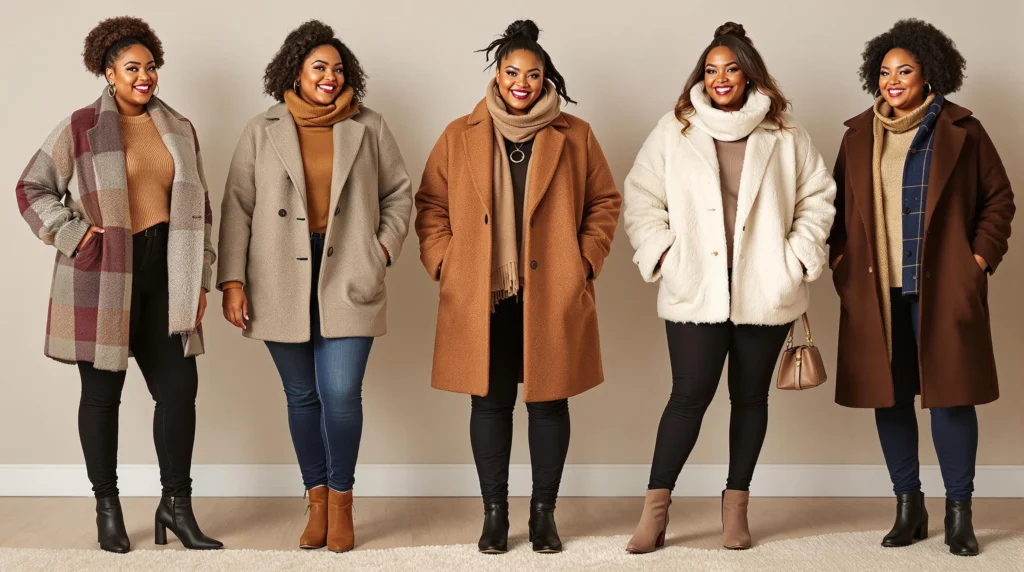
Fleece and Functional Warmth
For more practical and casual winter dressing, fleece plays an important role.
While it may not always carry the same elegance as wool or cashmere, it offers exceptional warmth.
The key is how it is styled.
A fleece-lined inner layer under a structured coat can keep the outfit refined while maintaining comfort.
This is especially useful for colder climates and travel wardrobes.
Modern fleece jackets in clean silhouettes can also work beautifully in casual streetwear looks.
Cotton Knits for Milder Winter Days
Not every winter day requires heavy insulation.
For milder temperatures, cotton knitwear works extremely well.
Cotton sweaters tend to feel lighter and more breathable.
This makes them ideal for indoor settings, office environments, and transitional winter days.
They also layer beautifully under coats without feeling too warm.
Leather and Faux Leather in Winter Styling
Leather is not usually chosen for insulation alone.
Its power lies in structure.
It adds edge, sharpness, and visual contrast.
In winter fashion, leather works beautifully in:
boots,
gloves,
trousers,
jackets,
bags.
The smooth texture contrasts beautifully with wool and knitwear.
This creates richness in layered outfits.
A wool coat paired with leather boots instantly feels more polished.
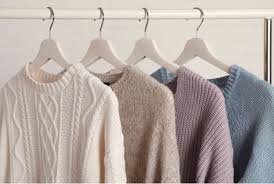
Denim as a Winter Essential Fabric
Denim remains one of the most versatile winter fabrics.
Darker washes work especially well because they feel more seasonal and refined.
Winter denim pairs effortlessly with knitwear and boots.
Straight-leg cuts remain especially strong because they balance heavier upper layers.
Suede for Soft Texture
Suede adds softness to winter looks.
It works beautifully in boots, jackets, and accessories.
Compared to smooth leather, suede creates a warmer and more tactile feel.
This makes it especially effective in neutral winter palettes.
Camel suede boots with a cream coat create a highly elegant winter combination.
Texture Mixing: The Real Secret
The strongest winter outfits rarely rely on one fabric alone.
What creates depth is contrast.
Wool with leather.
Cashmere with denim.
Suede with knitwear.
These combinations make the outfit feel richer.
This is why winter style often appears more premium than summer dressing.
The textures themselves tell the story.
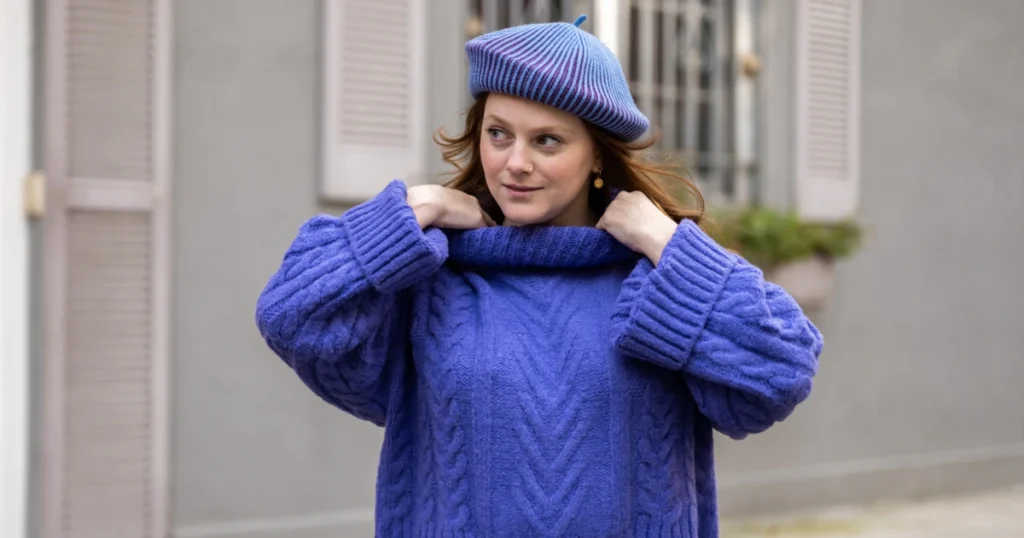
Why Fabric Determines Elegance
In winter, the eye naturally focuses on texture.
Because colors tend to be more neutral, fabric becomes the main source of interest.
The softness of the knit.
The sharpness of the leather.
The body of the coat.
The smoothness of the boots.
This is what creates sophistication.
More than almost any other season, winter elegance begins with material choice.
And once you understand fabrics, every outfit becomes easier to build.