Element Messenger Security: Expert Review of Enhancements
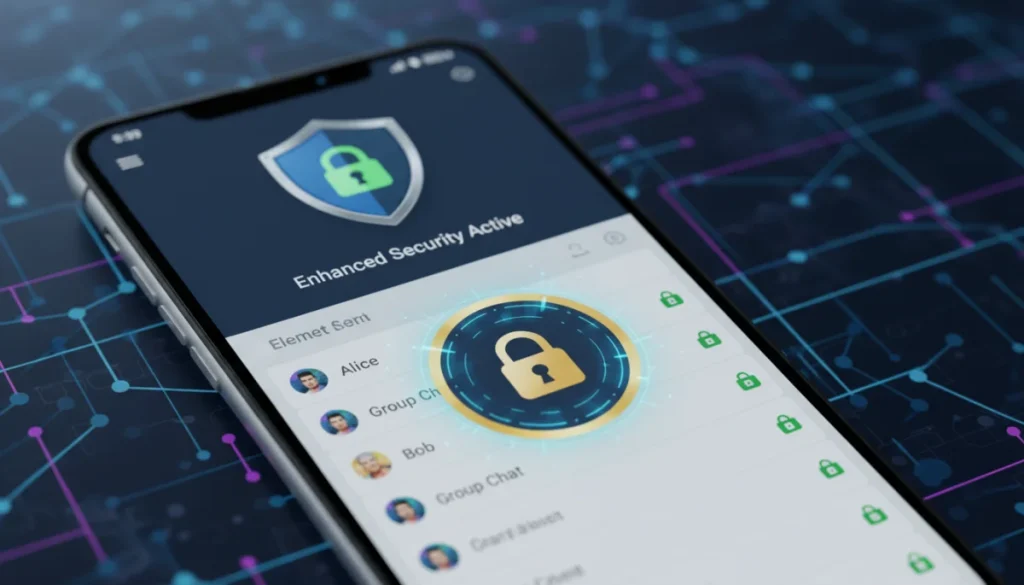
Element Messenger has significantly bolstered its security infrastructure through recent enhancements, providing users with advanced end-to-end encryption, improved data privacy controls, and a more resilient, decentralized communication platform.
In an era where digital privacy is paramount, understanding the security measures of our communication tools is more critical than ever. This expert review: element messenger’s security enhancements delves deep into the recent updates and features designed to fortify user data and communication integrity. Join us as we unpack what these changes mean for your digital security.
Understanding Element Messenger’s Core Security Philosophy
Element Messenger, built on the open-source Matrix protocol, has always championed a robust security posture. Its fundamental design principles prioritize user control and data sovereignty, a stark contrast to many centralized messaging platforms. This section explores the foundational elements that underpin Element’s commitment to secure communication.
At its heart, Element’s security philosophy revolves around decentralization and end-to-end encryption. Unlike traditional messaging apps that store all user data on a central server, Element allows users to choose their own server (or host their own), significantly reducing single points of failure and potential surveillance vectors. This distributed architecture inherently enhances resilience against attacks and censorship.
The Power of Decentralization
Decentralization is not just a technical feature; it’s a security paradigm. By distributing data across numerous independent servers, Element minimizes the risk of mass data breaches and offers users greater autonomy over their digital footprint. This approach means:
- No single company controls all user data.
- Increased resistance to government surveillance and censorship.
- Greater flexibility for users to manage their own data.
This architectural choice is a cornerstone of Element’s security, setting it apart from many mainstream alternatives. It empowers users to be more than just consumers of a service; they become participants in a secure, distributed network.
In essence, Element’s core security philosophy is not merely about encrypting messages, but about building a communication ecosystem where security and user agency are deeply intertwined. The recent enhancements build upon this strong foundation, pushing the boundaries of what secure messaging can offer.
Deep Dive into End-to-End Encryption Protocols
End-to-end encryption (E2EE) is the bedrock of secure messaging, ensuring that only the sender and intended recipient can read messages. Element Messenger employs sophisticated E2EE protocols to protect all communications, from one-on-one chats to large group conversations. This section dissects the specific mechanisms Element uses to achieve this high level of confidentiality.
Element leverages the Olm and Megolm cryptographic ratchets for its E2EE. Olm is used for one-to-one conversations, providing strong forward secrecy and deniability. Megolm extends this security to group chats, efficiently managing keys for multiple participants without compromising individual message security. These protocols are open-source, allowing for public scrutiny and verification, which is crucial for building trust.
Olm and Megolm: A Dual Approach to Encryption
The combination of Olm and Megolm is particularly effective. Olm ensures that even if an attacker compromises a single session key, past and future messages remain secure. Megolm, designed for groups, streamlines the key exchange process, making secure group communication scalable and practical. Key aspects include:
- Forward Secrecy: Compromise of one key doesn’t affect past communications.
- Deniability: It’s difficult to prove who sent a message, enhancing privacy.
- Session Management: Robust handling of encryption keys for both direct and group messages.
These protocols are regularly audited by independent security experts, a practice that reinforces Element’s commitment to transparency and verifiable security. The continuous review process helps identify and mitigate potential vulnerabilities before they can be exploited.

The implementation of E2EE in Element is not just about technical specifications; it’s about providing users with peace of mind. Knowing that conversations are shielded from eavesdropping, even by the service provider, is a fundamental right that Element strives to uphold through these advanced cryptographic techniques.
Enhanced Verification and Identity Management
Beyond encryption, verifying the identity of your conversation partners is vital for preventing impersonation and man-in-the-middle attacks. Element Messenger has introduced significant enhancements to its verification and identity management features, making it easier and more intuitive for users to confirm who they are talking to. This is a critical layer of security that complements E2EE.
The latest updates include streamlined cross-signing processes, allowing users to verify their own devices and their contacts’ devices with greater ease. This helps ensure that you are indeed communicating with the intended person and not an imposter. The visual indicators within the app make the verification status clear, empowering users to make informed decisions about the trustworthiness of their conversations.
Simplified Device and User Verification
Previously, device verification could be a complex process for some users. Element has worked to simplify this, making it more accessible without compromising security. Key improvements include:
- Interactive Verification Flows: Step-by-step guides for verifying new devices.
- Cross-Signing: A more robust and user-friendly way to verify all your devices and contacts.
- Clear Security Indicators: Visual cues (e.g., green shield icons) to indicate a verified conversation.
These enhancements are crucial for improving the overall user experience of secure communication. A system can be cryptographically sound, but if users cannot easily verify identities, the chain of trust breaks. Element’s focus on user-friendly verification bridges this gap, making advanced security accessible to a wider audience.
The continuous refinement of identity management features underscores Element’s dedication to creating a truly secure and trustworthy communication environment. By making verification intuitive, they empower users to take an active role in securing their digital interactions.
Data Sovereignty and Self-Hosting Capabilities
One of Element Messenger’s most distinctive and powerful security features is its support for data sovereignty through self-hosting and federation. This allows individuals and organizations to maintain complete control over their communication data, a level of autonomy rarely offered by mainstream messaging platforms. We explore how these capabilities enhance security and privacy.
The Matrix protocol, on which Element is built, is designed for federation. This means that different servers can communicate with each other, creating a vast, interconnected network. Users can choose to host their own Matrix server, giving them full ownership of their message history, metadata, and user accounts. This eliminates reliance on third-party cloud providers for data storage and significantly reduces the risk of data compromise.
Benefits of Self-Hosting and Federation
Self-hosting a Matrix server provides unparalleled control and security. It means:
- Complete Data Ownership: Your data resides on your server, under your control.
- Reduced Third-Party Risk: No reliance on a single corporate entity for data storage.
- Customizable Security Policies: Implement your own security measures and access controls.
For organizations, this translates to compliance with strict data regulations and the ability to build highly secure internal communication systems. For individuals, it offers the ultimate privacy solution, allowing them to escape the data harvesting practices prevalent in the digital world.
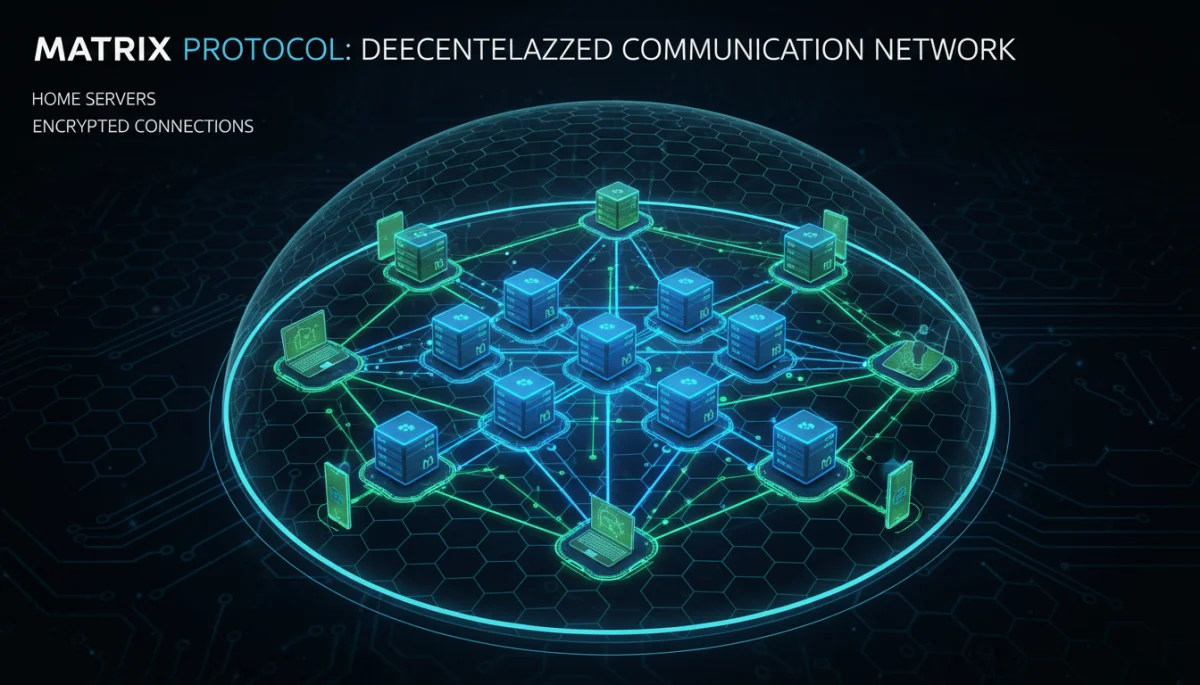
The ability to self-host and participate in a federated network is a testament to Element’s commitment to empowering users with genuine data sovereignty. This feature is a cornerstone of its appeal for those who prioritize ultimate control over their digital communications.
Auditing and Open-Source Transparency
Trust in a security product is not just built on claims, but on verifiable evidence. Element Messenger, through its open-source nature and commitment to regular security audits, provides a high degree of transparency that is essential for establishing trustworthiness. This section examines the role of open-source development and independent audits in bolstering Element’s security profile.
Being open-source means that the entire codebase of Element and the underlying Matrix protocol is publicly available for anyone to inspect. This allows security researchers, cryptographers, and the broader community to scrutinize the code for vulnerabilities, backdoors, or design flaws. This collective oversight is a powerful security mechanism, as many eyes are better than a few.
The Value of Public Scrutiny
The open-source model fosters a community-driven approach to security. Key advantages include:
- Vulnerability Disclosure: Faster identification and patching of security flaws.
- Community Contributions: Developers worldwide can contribute to improving security.
- No Hidden Backdoors: Public code makes it nearly impossible to hide malicious features.
Furthermore, Element regularly undergoes independent security audits by reputable third-party firms. These audits provide an objective assessment of the platform’s security posture, identifying potential weaknesses and recommending improvements. The reports from these audits are often made public, further reinforcing transparency.
This dual approach of open-source development and professional auditing creates a robust framework for continuous security improvement and builds deep trust with its user base. It demonstrates Element’s dedication to not just claiming security, but proving it through verifiable means.
Looking Ahead: Future Security Roadmaps and Challenges
While Element Messenger has made significant strides in bolstering its security, the digital threat landscape is constantly evolving. This section looks at Element’s future security roadmap, anticipated enhancements, and the ongoing challenges in maintaining a leading edge in secure communication. Staying ahead requires continuous innovation and adaptation.
Element’s development team is actively working on several fronts to further enhance security. This includes improvements to key management, exploring quantum-resistant cryptography, and refining identity verification processes to combat increasingly sophisticated phishing and impersonation attempts. The goal is to anticipate future threats and integrate proactive defenses.
Upcoming Security Initiatives
The future of Element’s security enhancements will likely focus on:
- Advanced Key Management: Streamlining and fortifying the handling of cryptographic keys.
- Post-Quantum Cryptography Research: Preparing for the advent of quantum computing and its potential impact on current encryption standards.
- Improved Usability of Security Features: Making advanced security measures even more intuitive for everyday users.
One of the biggest challenges remains balancing robust security with user-friendliness. While technical excellence is crucial, security features must be accessible and easy to understand for the average user to adopt them effectively. Element is continuously working on simplifying complex security concepts without diluting their effectiveness.
The commitment to ongoing research and development in security ensures that Element Messenger remains a formidable choice for users prioritizing privacy and data protection in an ever-changing digital world. Their proactive approach to future threats positions them well for continued leadership in secure messaging.
| Key Security Feature | Brief Description |
|---|---|
| End-to-End Encryption | Uses Olm and Megolm protocols for secure, private communication in both direct and group chats. |
| Decentralization | Built on the Matrix protocol, distributing data across multiple servers to enhance resilience and reduce central points of failure. |
| Identity Verification | Streamlined cross-signing and clear visual indicators help users verify contacts and devices for trusted communication. |
| Open-Source Transparency | Publicly auditable codebase and regular third-party security audits ensure verifiability and foster trust. |
Frequently Asked Questions About Element Security
Element’s security stems from its decentralized Matrix protocol, robust end-to-end encryption (Olm/Megolm), and open-source nature. This combination reduces single points of failure, ensures message confidentiality, and allows for public scrutiny of its codebase, fostering greater trust and transparency.
Element uses the Olm protocol for one-to-one chats and Megolm for group chats. Both provide strong cryptographic protection, ensuring that only the sender and intended recipients can read messages. This includes forward secrecy, meaning past messages remain secure even if future keys are compromised.
Yes, one of Element’s key advantages is its support for data sovereignty through self-hosting. You can run your own Matrix server, giving you complete control over your message history, metadata, and user accounts, thereby eliminating reliance on third-party data storage.
Element employs cross-signing for devices and interactive verification flows for contacts. This allows users to easily confirm the authenticity of their conversation partners and their devices, preventing impersonation and enhancing the overall trustworthiness of communications within the app.
Absolutely. Element’s open-source codebase is publicly available for scrutiny, and the platform undergoes regular independent security audits by reputable third-party firms. These audits help identify and mitigate potential vulnerabilities, ensuring continuous improvement and transparency.
Conclusion
This expert review: element messenger’s security enhancements highlights a messaging platform that consistently prioritizes and delivers robust security. Element Messenger stands out through its foundational decentralized architecture, advanced end-to-end encryption, user-friendly identity verification, and unwavering commitment to open-source transparency and regular audits. These combined features not only provide a high degree of privacy and data protection but also empower users with unprecedented control over their digital communications. As the digital world continues to evolve, Element Messenger’s proactive approach to security positions it as a leading choice for individuals and organizations seeking truly secure and private messaging solutions.
