Energy-Efficient Appliances: Recent Updates & Smart Home Integration
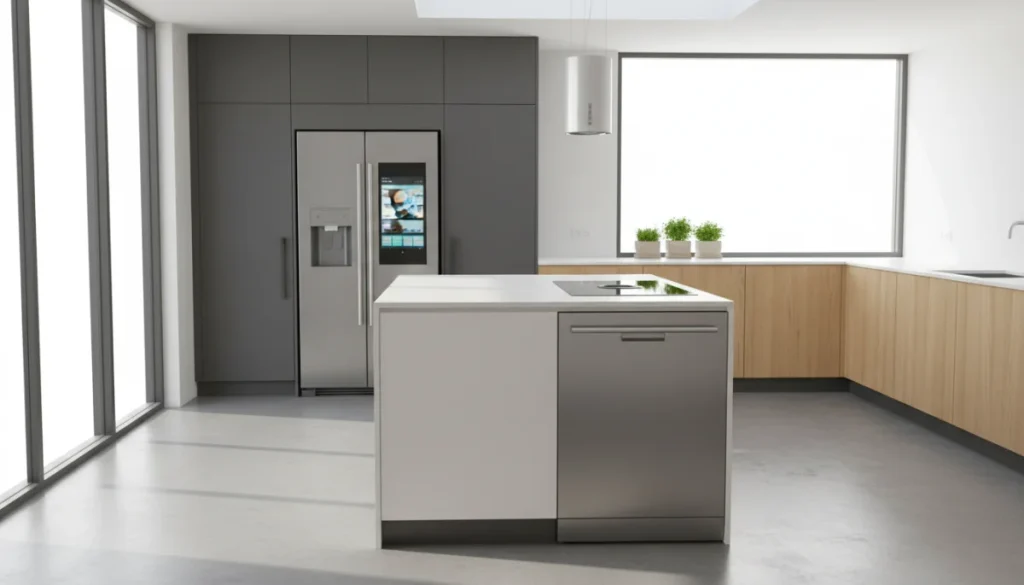
The latest energy-efficient appliances updates are transforming homes with advanced technologies, offering significant reductions in energy consumption and promoting sustainable living through innovative design and smart connectivity.
The world of home technology is constantly evolving, and nowhere is this more evident than in the realm of energy efficiency. For homeowners seeking to reduce their environmental footprint and slash utility bills, staying informed about the latest energy-efficient appliances updates is crucial. These innovations are not just about saving money; they represent a significant step towards a more sustainable and connected future for every household.
The Evolution of Energy Star Ratings and Certifications
The Energy Star program, a joint initiative of the U.S. Environmental Protection Agency and the U.S. Department of Energy, has long been the gold standard for identifying energy-efficient products. However, the criteria and classifications for these ratings are continually updated to reflect technological advancements and stricter environmental goals. Understanding these changes is vital for consumers looking to make informed purchasing decisions.
Recent updates to Energy Star certifications have focused on raising the bar for efficiency across various appliance categories. This means that an appliance that qualified as energy-efficient a few years ago might not meet today’s more stringent standards. These continuous revisions ensure that the program remains relevant and continues to drive innovation in the manufacturing sector, pushing companies to develop even more efficient products.
Stricter Criteria for Major Appliances
- Refrigerators: Newer Energy Star certified refrigerators often feature advanced insulation, improved compressor technology, and smart defrost cycles that minimize energy waste.
- Washing Machines: High-efficiency washing machines now use significantly less water and energy, thanks to improved wash cycles, load-sensing technology, and advanced motor designs.
- Dishwashers: Modern energy-efficient dishwashers boast enhanced water filtration systems, soil sensors, and highly optimized wash cycles that reduce both water and energy consumption without sacrificing cleaning performance.
These stricter criteria not only benefit the environment by reducing overall energy demand but also offer tangible financial advantages to consumers. By investing in appliances with the latest Energy Star ratings, households can expect to see noticeable reductions in their monthly utility bills, making the initial investment worthwhile over the appliance’s lifespan. Furthermore, many states and local utilities offer rebates and incentives for purchasing these highly efficient models, adding another layer of savings.
Smart Technology Integration in Modern Appliances
The convergence of energy efficiency and smart home technology has opened up a new frontier for household management. Today’s energy-efficient appliances are no longer just about consuming less power; they are intelligent devices that can communicate, learn, and adapt to your lifestyle, offering unprecedented levels of control and optimization. This integration is a key component of the latest energy-efficient appliances updates.
From smart refrigerators that track inventory and suggest recipes to connected thermostats that learn your preferences and adjust temperatures accordingly, the possibilities are vast. These smart features allow for greater control over energy consumption, often enabling homeowners to monitor usage in real-time and make adjustments remotely via smartphone applications. This level of control empowers users to actively manage their energy footprint, fostering more sustainable habits.
Enhancing Efficiency Through Connectivity
- Remote Monitoring and Control: Users can turn appliances on or off, adjust settings, and receive alerts from anywhere, preventing energy waste when away from home.
- Optimized Operation: Smart appliances can often be programmed to run during off-peak hours when electricity rates are lower, further reducing operating costs.
- Diagnostic Capabilities: Many smart appliances offer self-diagnostic tools, helping to identify potential issues early and ensuring the appliance operates at peak efficiency.
The seamless integration of smart technology into energy-efficient appliances represents a significant leap forward. It transforms passive energy savings into an active, user-driven process, allowing for dynamic adjustments that respond to both environmental conditions and personal needs. This not only enhances convenience but also maximizes the energy-saving potential of each appliance, contributing to a more efficient and responsive home ecosystem.
Breakthroughs in Refrigeration and Cooking Technologies
Refrigeration and cooking are two of the most energy-intensive activities in any household. Consequently, these areas have seen substantial innovation aimed at improving efficiency. Recent advancements in these appliance categories are central to the ongoing energy-efficient appliances updates, offering consumers more effective ways to preserve food and prepare meals with less energy.
In refrigeration, the focus has shifted towards more advanced compressor designs, vacuum insulation panels, and precise temperature management systems. These technologies work in concert to maintain optimal temperatures with minimal energy expenditure, reducing the load on the power grid. For cooking, induction technology continues to gain traction, offering faster, more precise heating with significantly less energy waste compared to traditional electric or gas ranges.
Key Innovations in Kitchen Appliances
- Advanced Compressor Technology: Variable-speed compressors in refrigerators adjust their output based on demand, leading to more consistent temperatures and lower energy use.
- Induction Cooktops: These cooktops heat cookware directly through electromagnetic fields, transferring nearly all energy to the food and minimizing heat loss.
- Convection Ovens: By circulating hot air, convection ovens cook food more evenly and often faster, reducing overall cooking time and energy consumption.
These technological breakthroughs are not just about reducing energy bills; they also enhance the user experience. Faster cooking times, more precise temperature control, and better food preservation all contribute to a more enjoyable and efficient kitchen environment. As these technologies become more widespread, they will play a crucial role in shaping the future of sustainable home living.
Heating, Ventilation, and Air Conditioning (HVAC) Innovations
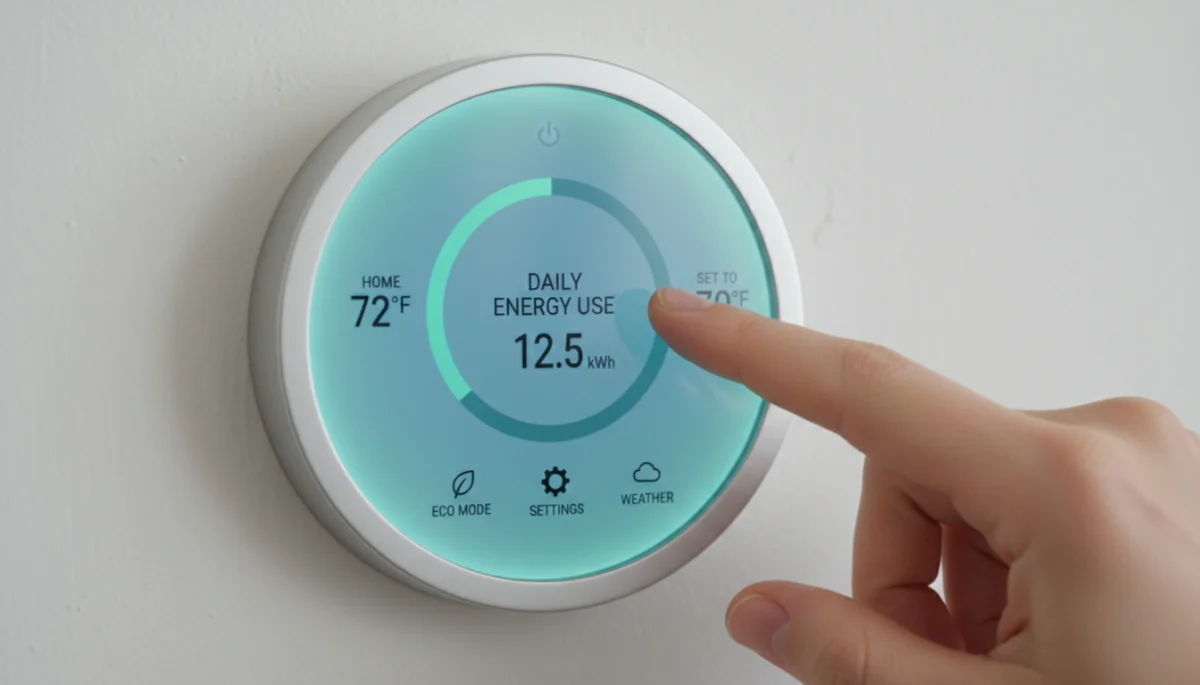
HVAC systems are often the largest energy consumers in a home, making advancements in this sector particularly impactful for energy efficiency. The latest energy-efficient appliances updates for HVAC systems focus on optimizing heating and cooling processes, integrating smart controls, and utilizing more environmentally friendly refrigerants. These innovations are critical for maintaining comfortable indoor environments while significantly reducing energy consumption.
Modern HVAC units feature advanced sensors, variable-speed motors, and intelligent algorithms that allow them to adapt to changing conditions and maintain desired temperatures with remarkable precision. Heat pump technology, in particular, has seen significant improvements, making it a highly efficient option for both heating and cooling in a wider range of climates. These systems work by transferring heat rather than generating it, which is inherently more efficient.
Next-Generation HVAC Systems
- Variable-Speed Heat Pumps: These systems can adjust their output to match the exact heating or cooling needs, avoiding the energy waste associated with constant on/off cycling.
- Zoned HVAC Systems: Allowing different areas of a home to be heated or cooled independently, zoned systems prevent energy from being wasted in unoccupied rooms.
- Smart Thermostats: Beyond basic programming, smart thermostats learn household routines, integrate with weather forecasts, and can be controlled remotely, optimizing energy use.
The ongoing evolution of HVAC technology provides homeowners with more powerful tools to manage their indoor climate efficiently. By investing in these updated systems, not only can utility costs be dramatically reduced, but also the overall comfort and air quality of the home can be substantially improved. These advancements are key to achieving a truly energy-efficient household.
Water Heaters and Laundry Appliances: A Focus on Efficiency
Beyond the kitchen and climate control, other essential household appliances like water heaters and laundry units are also undergoing significant energy efficiency transformations. These energy-efficient appliances updates are designed to reduce the considerable energy and water consumption associated with daily routines, offering both environmental and financial benefits to homeowners.
Water heating, in particular, accounts for a substantial portion of residential energy use. Innovations in this area include highly efficient heat pump water heaters and advanced tankless systems that heat water on demand, eliminating standby energy losses. For laundry, improvements in washing machine technology, as well as more efficient dryers, are leading to significant reductions in both water and electricity usage, making these chores less resource-intensive.
Advancements in Water and Laundry Efficiency
- Heat Pump Water Heaters: These units extract heat from the surrounding air to warm water, making them significantly more efficient than traditional electric resistance water heaters.
- Tankless Water Heaters: By heating water only when needed, tankless systems avoid the continuous energy consumption of storing hot water in a tank.
- Ventless Dryers (Heat Pump Dryers): These dryers reuse hot air, offering substantial energy savings compared to conventional vented models.
The continued development of these appliances underscores a broader commitment to resource conservation. By adopting these more efficient water heaters and laundry units, homeowners can contribute to a reduction in overall energy and water demand, translating into lower utility bills and a smaller environmental footprint. These updates are vital for a holistic approach to home energy efficiency.
The Future of Energy-Efficient Homes: Trends and Predictions
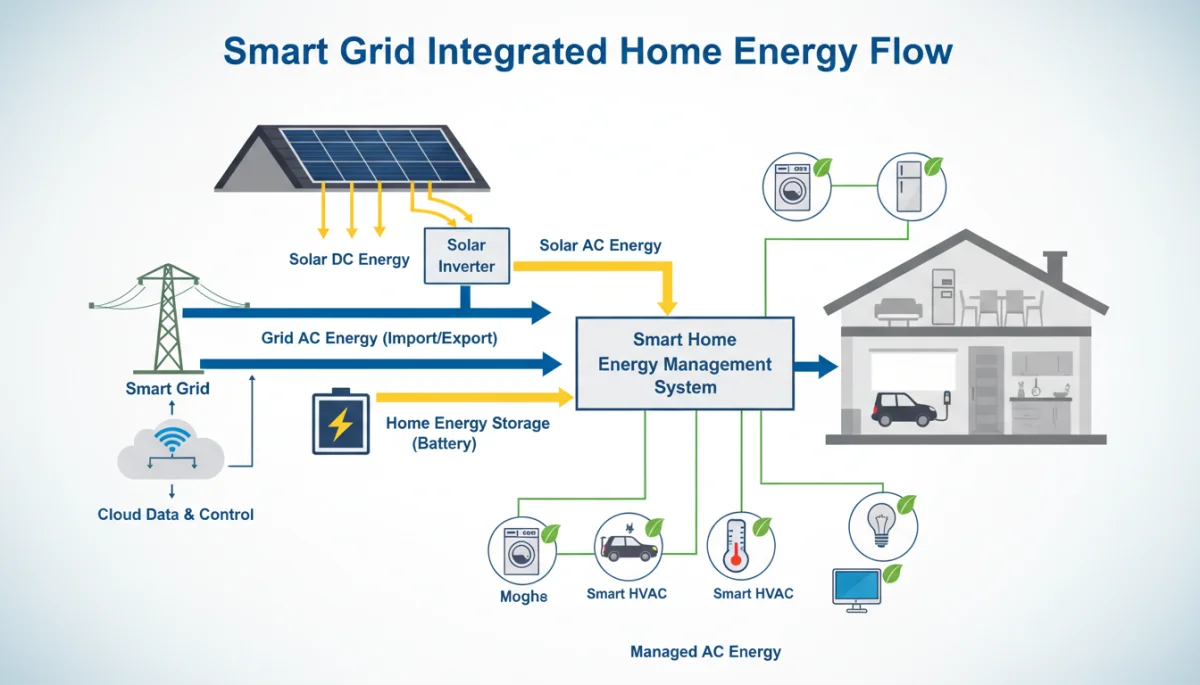
Looking ahead, the trajectory of energy-efficient appliances updates points towards even greater integration, autonomy, and sustainability. The future home will likely be a highly interconnected ecosystem where appliances not only communicate with each other but also with the smart grid, optimizing energy consumption based on real-time pricing and availability of renewable energy sources. This vision promises unprecedented levels of efficiency and environmental stewardship.
Emerging trends include the widespread adoption of AI-powered energy management systems that can predict household needs and adjust appliance operation accordingly. We can also expect to see more modular and repairable appliance designs, extending product lifespans and reducing waste. The emphasis will increasingly be on the entire lifecycle of an appliance, from manufacturing to disposal, ensuring that sustainability is embedded at every stage.
Key Trends Shaping Tomorrow’s Efficient Homes
- AI-Powered Energy Management: Systems that learn usage patterns and optimize appliance operation for maximum efficiency and cost savings.
- Grid-Interactive Appliances: Devices that can communicate with the smart grid to adjust energy consumption based on grid demand and renewable energy availability.
- Circular Economy Principles: A focus on designing appliances for durability, repairability, and recyclability to minimize environmental impact.
The future of energy-efficient homes is one where technology and sustainability are inextricably linked. These advancements will not only lead to significant cost savings for consumers but also play a critical role in addressing global energy challenges and fostering a more resilient and environmentally responsible society. Staying informed about these trends will empower homeowners to build and live in truly sustainable environments.
| Key Update Area | Brief Description |
|---|---|
| Energy Star Criteria | Stricter efficiency standards for major appliances, driving continuous innovation and greater savings. |
| Smart Technology | Integration of AI and connectivity for remote control, optimized operation, and real-time energy monitoring. |
| HVAC Innovations | Advancements in heat pumps, variable-speed systems, and smart thermostats for superior climate control and energy reduction. |
| Future Trends | AI-powered energy management, grid-interactive appliances, and circular economy principles for ultimate sustainability. |
Frequently Asked Questions About Energy-Efficient Appliances
Upgrading to energy-efficient appliances offers several key benefits, including significant reductions in monthly utility bills, a smaller carbon footprint, and often enhanced performance and durability compared to older models. Many also come with smart features for added convenience.
Energy Star ratings provide consumers with a clear, reliable indicator of an appliance’s energy efficiency. Products carrying this label meet strict guidelines set by the EPA and DOE, ensuring they consume less energy and save money without sacrificing features or performance.
Smart appliances can genuinely save energy by offering features like remote monitoring, optimized scheduling, and usage pattern learning. This allows homeowners to manage their energy consumption more effectively, run appliances during off-peak hours, and receive alerts for potential issues.
Heat pump water heaters are highly efficient because they don’t generate heat directly. Instead, they transfer heat from the ambient air to the water, using significantly less electricity than traditional electric resistance water heaters, leading to substantial energy savings.
Expect to see more AI-powered energy management systems, appliances that interact with the smart grid to optimize usage, and designs focused on durability and repairability. The future aims for even greater autonomy and sustainability in home energy consumption.
Conclusion
The landscape of energy-efficient appliances updates is dynamic and promising, offering homeowners unprecedented opportunities to reduce their energy consumption, lower utility bills, and contribute to a more sustainable future. From increasingly stringent Energy Star certifications and the widespread integration of smart technology to significant breakthroughs in refrigeration, cooking, HVAC, and laundry systems, the advancements are transforming how we live. As we look towards the future, the continued evolution of these technologies, coupled with a growing emphasis on AI-driven management and circular economy principles, promises a future where efficiency and environmental responsibility are at the heart of every home. Embracing these innovations is not just a smart financial decision but a vital step towards a greener, more connected world.
