Beyond Emojis: Enhance Social Connection with Messaging Tools

Innovative messaging app tools are transforming digital interactions, offering features that move beyond simple emojis to foster more profound and meaningful social connections among users.
In an increasingly digital world, the quest to truly enhance social connection through our messaging apps has become paramount. While emojis and quick reactions offer a convenient shorthand, they often fall short of capturing the nuances and depth of human interaction. This article delves into the innovative tools and features emerging in messaging applications that are designed to bridge this gap, moving beyond superficial exchanges to foster more meaningful and authentic relationships.
The evolution of digital communication
Digital communication has undergone a monumental transformation, moving from simple text messages to rich multimedia experiences. Initially, the excitement revolved around being able to send instant messages across distances, a stark contrast to traditional mail or even phone calls. Over time, the introduction of emojis brought a new layer of emotional expression, allowing users to convey feelings that words alone sometimes struggled to capture. However, as our digital lives become more integrated, the need for tools that facilitate deeper, more authentic connections has become increasingly apparent.
The early days of messaging were characterized by brevity and utility. SMS messages were limited in characters, forcing concise communication. The advent of instant messaging platforms like AOL Instant Messenger and MSN Messenger brought real-time conversations, but still primarily text-based. The shift to smartphones and mobile internet ushered in an era of rich media, with photos, videos, and voice notes becoming commonplace. Yet, despite these advancements, a sense of superficiality often pervaded digital interactions. The challenge now lies in moving beyond these basic functions to truly replicate the richness of in-person communication.
From basic texts to rich media
The journey from rudimentary text messages to today’s feature-rich messaging apps highlights a continuous effort to enhance user experience. Early platforms focused on speed and efficiency, enabling communication that was once geographically constrained. The introduction of emojis, followed by GIFs and stickers, added a much-needed layer of personality and emotion to digital conversations. These tools, while seemingly minor, played a crucial role in making digital interactions feel more human.
- Text-only era: Focus on speed and conciseness, overcoming geographical barriers.
- Emoji and GIF integration: Adding emotional depth and personality to messages.
- Multimedia sharing: Photos, videos, and voice notes becoming standard features.
- Group chats: Facilitating communication among multiple individuals simultaneously.
Despite these advancements, many users still report feeling a disconnect. The sheer volume of digital communication can sometimes lead to a sense of overwhelm, and the rapid-fire nature of many exchanges can prevent deeper engagement. This has spurred a demand for more sophisticated tools that can foster genuine social connection, addressing the limitations of existing features and pushing the boundaries of what messaging apps can achieve. The next wave of innovation is focused on creating environments where users can truly connect, not just communicate.
Beyond emojis: the rise of interactive features
The era of simply sending emojis to convey emotion is gradually being augmented by more sophisticated interactive features. These tools are designed to move beyond passive reactions, encouraging active participation and shared experiences within messaging platforms. Imagine not just telling a friend about your day, but experiencing a part of it together, even when miles apart. This shift represents a significant leap towards making digital interactions feel more immersive and personal.
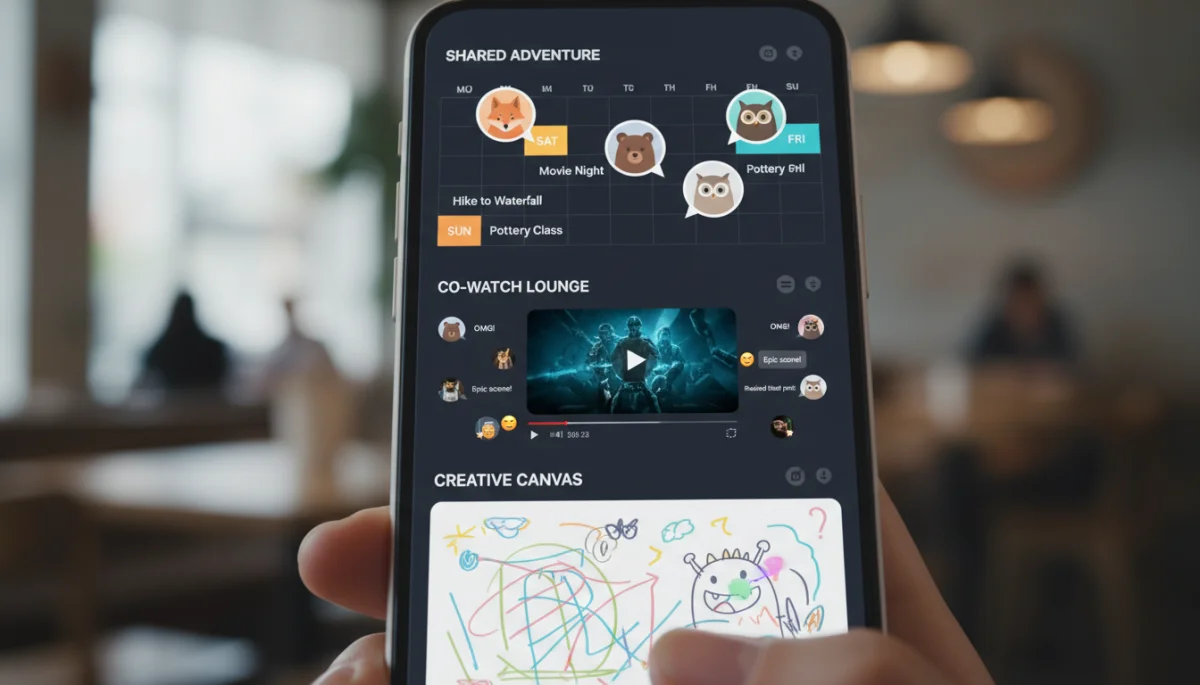
One of the most exciting developments is the integration of shared activities directly within chat interfaces. Instead of merely suggesting a movie to watch or a game to play, some apps now allow users to engage in these activities simultaneously. This creates a sense of co-presence, mimicking the feeling of being together in the same room. These features are not just about entertainment; they are about creating shared memories and strengthening bonds through collaborative digital experiences. The goal is to transform messaging from a transactional exchange of information into a dynamic platform for joint exploration and interaction.
Co-watching and co-listening experiences
Co-watching and co-listening features are prime examples of how messaging apps are fostering deeper connections. These tools allow friends or family members to consume media together in real-time, regardless of their physical location. Picture this: you and a friend, in different cities, pressing play on the same movie or song simultaneously, and reacting to it within the chat as if you were on the same couch. This shared experience can significantly enhance social connection by replicating the communal aspect of media consumption.
- Synchronized media playback: Ensures everyone experiences content at the same pace.
- Integrated chat: Allows for real-time reactions and discussions without leaving the media.
- Virtual watch parties: Creates a shared event, fostering a sense of community.
- Personalized recommendations: Suggests content based on group preferences, enhancing engagement.
The beauty of these features lies in their ability to transform a solitary activity into a collective one. They provide a common ground for conversation and shared emotional responses, which are vital components of strong relationships. By offering these integrated experiences, messaging apps are moving beyond simple communication utilities to become platforms for shared life experiences, helping users to feel more connected and less isolated in the digital realm.
Voice and video: richer forms of expression
While text and emojis are convenient, they often lack the emotional depth conveyed through tone of voice and facial expressions. The evolution of messaging apps has seen a significant emphasis on enhancing voice and video communication, recognizing their power to foster more intimate and nuanced interactions. These tools are becoming increasingly sophisticated, aiming to replicate the richness of in-person conversations and allowing for a broader spectrum of human expression.
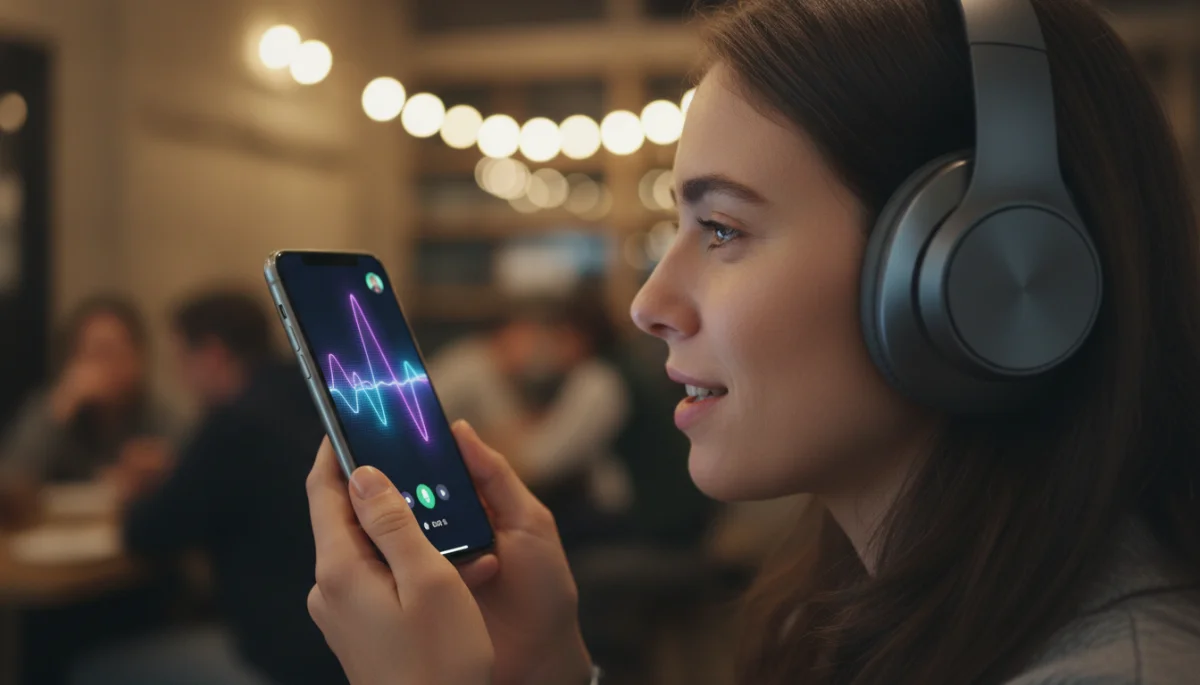
Voice messages, in particular, have gained immense popularity as an alternative to typing. They allow users to convey emotions, urgency, and personality in a way that text simply cannot. The asynchronous nature of voice messages also offers flexibility, enabling people to communicate thoughtfully without the pressure of a real-time call. This blend of convenience and emotional depth makes them a powerful tool for maintaining close relationships, providing a more personal touch than a written message. Furthermore, advancements in voice message features, such as transcription and playback speed controls, enhance their utility and accessibility.
Dynamic voice messages and audio rooms
Beyond simple voice notes, dynamic voice messages are introducing new dimensions to audio communication. Some apps are experimenting with features that allow for more interactive voice experiences, such as the ability to reply to specific segments of a voice message or to layer audio responses. This creates a more conversational flow, making voice exchanges feel more natural and engaging. These innovations aim to make voice communication as flexible and expressive as text, but with the added benefit of vocal nuance.
- Segmented replies: Respond to specific parts of a voice message for clarity.
- Layered audio: Create multi-person audio narratives or discussions.
- Voice message editing: Trim, cut, or add effects to voice notes before sending.
- Real-time audio rooms: Drop-in audio conversations for casual, spontaneous chats.
Video communication has also seen significant improvements, with features like enhanced filters, augmented reality effects, and group video calls becoming standard. The focus is on making video calls more engaging and less static, allowing users to express themselves creatively and to share their environments in more dynamic ways. These richer forms of expression are crucial for bridging geographical distances and maintaining strong social ties, offering a window into each other’s lives that goes far beyond what emojis can convey.
Shared experiences and collaborative tools
The core of strong social connection often lies in shared experiences. Recognizing this, messaging apps are increasingly integrating collaborative tools that allow users to do things together, rather than just talk about them. This paradigm shift transforms messaging platforms from mere communication conduits into dynamic workspaces and entertainment hubs, fostering a deeper sense of community and joint accomplishment. These tools are particularly valuable in an age where physical proximity isn’t always possible, yet the desire for collective activity remains strong.
Think about planning a trip with friends, organizing a group project, or even just deciding on a dinner spot. Traditionally, these activities would involve a flurry of messages, separate apps for scheduling, and often, a lot of back-and-forth. Modern messaging apps are streamlining these processes by embedding collaborative features directly into the chat interface. This integration reduces friction, making it easier for groups to make decisions, share ideas, and coordinate actions seamlessly. The convenience of having everything in one place significantly enhances the user experience and encourages more frequent, meaningful interactions.
Interactive polls and decision-making tools
Interactive polls and decision-making tools are simple yet powerful examples of collaborative features that enhance social connection. Instead of endless debates, group chats can quickly reach consensus on various topics, from choosing a movie to settling on a meeting time. These tools democratize decision-making within groups, ensuring everyone has a voice and that preferences are accounted for efficiently. The immediacy and visual clarity of polls make them highly effective for group coordination.
- Instant polling: Quickly gather opinions on various topics.
- Decision matrices: Help groups weigh options and arrive at a consensus.
- Shared calendars: Coordinate schedules and events seamlessly.
- Collaborative whiteboards: Brainstorm ideas and plan projects visually.
Beyond simple polls, some apps offer more advanced collaborative features like shared to-do lists, document co-editing, and even virtual whiteboards. These tools are not just for productivity; they are about fostering a sense of teamwork and shared purpose among friends, family, or colleagues. By enabling users to work, play, and plan together within the same environment, messaging apps are creating more robust and engaging platforms for social interaction, moving far beyond the limitations of text-based communication and emojis.
Personalized communication and AI assistance
As messaging apps evolve, the push for more personalized communication experiences is becoming a key differentiator. The goal is to make digital interactions feel more tailored to individual preferences and relationship dynamics, thereby strengthening social bonds. Artificial intelligence (AI) plays a pivotal role in this evolution, offering assistance that can enhance communication without making it feel artificial. This delicate balance of technology and humanity is crucial for fostering genuine connection.
AI-powered features are moving beyond simple autocorrect, offering intelligent suggestions for replies, summarizing long conversations, and even helping to craft messages that better convey intent and emotion. Imagine an AI that understands your communication style and can offer phrases that resonate with your friends, or one that can highlight important points in a lengthy group chat you missed. These tools are not meant to replace human interaction but to augment it, making communication more efficient, thoughtful, and ultimately, more connecting. The future of messaging lies in how well AI can serve as a supportive co-pilot in our digital conversations.
Smart reply suggestions and sentiment analysis
Smart reply suggestions, powered by AI, are becoming increasingly common. These features analyze the context of a conversation and offer quick, relevant responses, saving users time and effort. Beyond mere convenience, some advanced systems incorporate sentiment analysis to gauge the emotional tone of incoming messages and suggest replies that are empathetic or appropriate to the mood. This can be particularly helpful in navigating sensitive conversations or ensuring that your message is received as intended.
- Contextual responses: AI suggests replies based on the conversation’s flow.
- Tone analysis: Helps users craft messages with appropriate emotional resonance.
- Conversation summaries: AI condenses long chats, highlighting key decisions or topics.
- Language translation: Breaks down communication barriers in diverse groups.
Another area where AI is making strides is in personalized content curation. Some apps use AI to suggest relevant articles, videos, or even activities based on group interests and past conversations. This can spark new discussions and shared experiences, further enriching social connection. The integration of AI assistance aims to make digital communication more intuitive, responsive, and deeply personal, ensuring that technology serves to enhance, rather than hinder, our ability to connect with others.
Privacy, security, and trust in digital connections
While innovation in messaging app features is exciting, the foundation of any meaningful social connection, digital or otherwise, rests on trust. This makes privacy and security paramount considerations in the development and adoption of new communication tools. Users need to feel confident that their conversations are private and their data is protected. Without this assurance, even the most advanced features will fail to foster genuine connection, as apprehension and mistrust will undermine the desire to share openly.
The increasing sophistication of cyber threats and the growing awareness of data privacy issues have pushed messaging app developers to prioritize robust security measures. End-to-end encryption has become a standard expectation, ensuring that only the sender and intended recipient can read messages. Beyond technical safeguards, transparent privacy policies and user-friendly controls are essential. Users should have clear agency over their data and who they share it with, fostering an environment where they feel safe to be authentic and vulnerable, which is crucial for deep connections.
End-to-end encryption and data control
End-to-end encryption (E2EE) is the cornerstone of secure messaging. It ensures that messages are encrypted on the sender’s device and can only be decrypted by the recipient’s device, making them inaccessible to third parties, including the app provider itself. This level of security is vital for building trust and encouraging open communication, knowing that private conversations truly remain private. The implementation of E2EE across various communication types, including voice and video calls, reinforces this commitment to user privacy.
- E2EE by default: Ensures all communications are secure from interception.
- Transparent data policies: Clearly outlines how user data is handled.
- Granular privacy settings: Users control who sees their status, read receipts, etc.
- Secure identity verification: Protects against impersonation and fraud.
Beyond encryption, empowering users with greater control over their data is another critical aspect. This includes features like disappearing messages, screenshot notifications, and options to restrict data sharing with third parties. When users feel they have agency over their digital footprint, they are more likely to engage authentically and build stronger relationships within the platform. Ultimately, a secure and private environment is not just a technical requirement; it’s a psychological one that enables the kind of open and honest communication necessary to enhance social connection.
The future of connected messaging
The trajectory of messaging apps points towards an even more integrated and immersive future, where the lines between digital and physical interactions continue to blur. The goal is to create platforms that are not just for communication, but for living and experiencing life together, regardless of geographical barriers. This vision extends beyond current innovations, anticipating technologies that will make digital presence feel almost indistinguishable from physical presence, transforming how we perceive and nurture social connections.
Expect to see further advancements in augmented reality (AR) and virtual reality (VR) integrated directly into messaging. Imagine having a conversation with a friend’s avatar in a shared virtual space, or overlaying digital information onto your real-world environment during a video call. These technologies promise to add unprecedented layers of richness and interactivity, offering new ways to share experiences and emotions. The focus will be on creating ‘presence’ – making you feel truly there with the other person, even when you’re not.
Integrating AR/VR for immersive interactions
The integration of Augmented Reality (AR) and Virtual Reality (VR) into messaging apps is poised to revolutionize digital social connection. AR filters and effects are already common, but future applications will allow for shared AR experiences, such as collaboratively decorating a virtual room or playing games that blend digital elements with the real world. VR, on the other hand, could transport users into fully immersive virtual environments for conversations, meetings, or shared entertainment, creating a profound sense of co-presence.
- Shared AR experiences: Interact with digital objects in a shared real-world view.
- VR social spaces: Meet friends in custom virtual environments.
- Haptic feedback: Simulate touch and physical presence in digital interactions.
- Neural interfaces: Potential for thought-to-text or emotion-to-emoji communication.
Furthermore, expect to see greater emphasis on interoperability, allowing users to seamlessly communicate across different platforms and devices. The fragmentation of communication channels can be a barrier to connection; future solutions will aim to unify these experiences. The ultimate aim of connected messaging is to create a digital ecosystem where social connection is not just facilitated, but actively nurtured, allowing individuals to maintain and deepen their relationships in ways that were once unimaginable. This future promises a richer, more engaging, and profoundly human digital experience.
| Key Feature | Description |
|---|---|
| Interactive Media | Co-watching and co-listening tools for shared real-time media consumption. |
| Rich Voice/Video | Dynamic voice messages, audio rooms, and enhanced video calls for deeper expression. |
| Collaborative Tools | In-app polls, shared calendars, and whiteboards for group decision-making and planning. |
| AI Assistance | Smart replies, sentiment analysis, and content curation to personalize interactions. |
Frequently asked questions about enhancing social connection
Messaging apps enhance social connection by integrating interactive features like co-watching, dynamic voice messages, and collaborative tools. These go beyond simple reactions, fostering shared experiences and deeper engagement that mimic real-life interactions.
Co-watching and co-listening features allow multiple users to consume media, like movies or music, simultaneously in real-time. This creates a shared experience, enabling instant reactions and discussions within the app, enhancing a sense of togetherness.
AI assists by offering smart reply suggestions, performing sentiment analysis to tailor responses, and summarizing long conversations. It helps users communicate more efficiently and thoughtfully, making interactions feel more personal and effective.
Privacy and security are crucial because trust is fundamental to genuine social connection. Features like end-to-end encryption and transparent data policies ensure users feel safe to share openly, fostering authenticity and deeper relationships without fear of exposure.
Future technologies like Augmented Reality (AR) and Virtual Reality (VR) will integrate into messaging, creating immersive shared experiences. This will enable users to interact in virtual spaces or blend digital elements with the real world, enhancing the sense of co-presence and connection.
Conclusion
The journey of messaging apps from simple text exchanges to sophisticated platforms for shared experiences highlights a profound shift in how we approach digital social connection. By moving beyond the limitations of emojis, these innovative tools are fostering deeper, more authentic interactions, emphasizing co-presence, rich expression, and collaborative engagement. As technology continues to evolve, with AI, AR, and VR poised to play even larger roles, the future of connected messaging promises an even more immersive and human-centric digital landscape, ultimately enriching our relationships and bridging geographical divides.
