How Entertainment Apps Foster New Communities: A Deep Dive
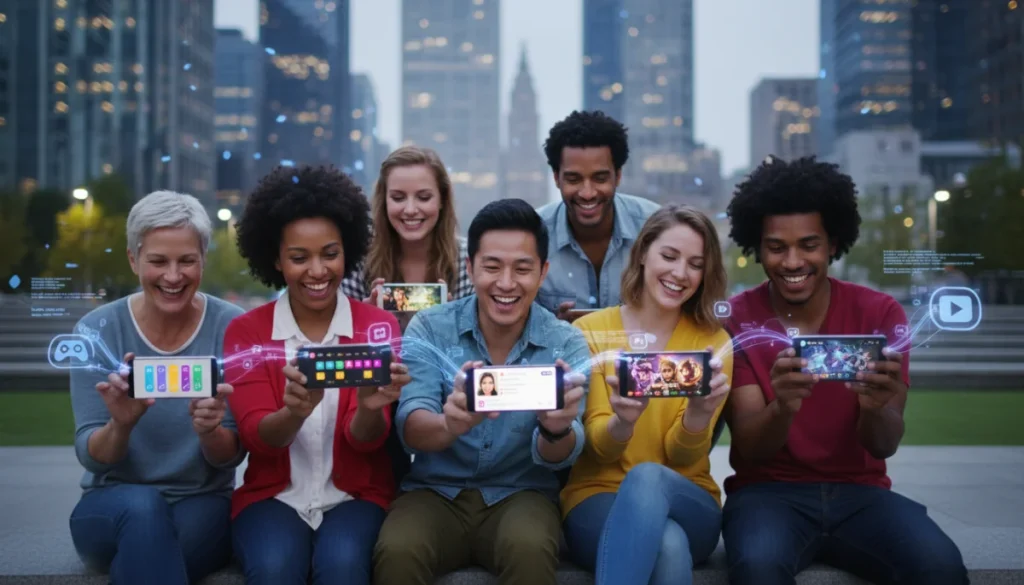
Entertainment apps are profoundly transforming social landscapes by enabling individuals to forge and participate in new communities centered around shared interests, interactive content, and accessible digital platforms.
In an increasingly digital world, the ways we connect and build relationships are constantly evolving. Nowhere is this more apparent than in the realm of mobile applications. Specifically, the question of how entertainment apps foster new communities has become a fascinating subject, revealing profound shifts in social interaction and belonging. These platforms, designed for leisure and enjoyment, have unexpectedly become powerful engines for social connection, uniting individuals across geographical boundaries through shared passions and interactive experiences. This article will explore the multifaceted ways in which these digital spaces cultivate vibrant, engaged communities, redefining what it means to belong in the 21st century.
The Evolution of Digital Social Spaces
The journey of digital social spaces began long before the smartphone era, with forums, chat rooms, and early social networks laying the groundwork. However, the advent of entertainment apps has accelerated this evolution, making community building more dynamic and accessible than ever before. These platforms are not merely passive content consumption tools; they are active hubs where users engage, discuss, and create together, transforming solitary entertainment into shared social experiences.
Early social platforms often required dedicated effort to seek out like-minded individuals. Today, entertainment apps seamlessly integrate social features into their core functionality, making community participation an intrinsic part of the user experience. This integration has lowered the barrier to entry for social interaction, allowing casual users to stumble upon and join communities that resonate with their interests without explicit searching.
From Niche Forums to Global Fandoms
What started as niche online forums for specific hobbies has blossomed into global fandoms powered by entertainment apps. Whether it’s a dedicated app for K-Pop fans, a gaming platform uniting players worldwide, or a streaming service with integrated chat features, these digital spaces amplify shared interests. They provide a common ground where enthusiasts can celebrate their passions, debate theories, and collectively experience content, transcending the limitations of physical proximity.
- Accessibility: Apps provide instant access to communities from anywhere, anytime.
- Shared Identity: Users find validation and belonging among those with similar interests.
- Real-time Interaction: Live chats, co-watching, and multiplayer options foster immediate connection.
- Content Co-creation: Many apps enable users to contribute to or create content, strengthening bonds.
The transformation from isolated consumption to communal experience is a defining characteristic of modern entertainment apps. They don’t just deliver content; they deliver connection, turning individual users into active participants within a larger, shared narrative. This shift has profound implications for how we understand social bonds and identity in the digital age, demonstrating the power of shared entertainment to bridge divides.
Gaming Apps: The Ultimate Community Builders
Gaming apps stand as a prime example of how entertainment apps foster new communities, arguably more intensely than any other category. From massive multiplayer online (MMO) games to competitive esports titles, these platforms are inherently social. They demand collaboration, communication, and shared objectives, naturally leading to the formation of strong, often tight-knit, communities. Players invest time, effort, and emotion into these virtual worlds, forging bonds that frequently extend into the real world.
The cooperative and competitive nature of gaming creates a unique environment for social interaction. Players learn to rely on each other, develop strategies, and celebrate victories or commiserate over defeats together. This shared journey fosters a sense of camaraderie and belonging that is deeply ingrained in the gaming experience. Guilds, clans, and teams within games are microcosms of larger social structures, complete with hierarchies, responsibilities, and shared goals.
Beyond the Game: Social Features and Events
Modern gaming apps go far beyond just gameplay to facilitate community. They integrate robust social features like in-game chat, voice communication, friend lists, and even dedicated social hubs. Many games also host in-game events, tournaments, and social gatherings that encourage players to interact and strengthen their community ties. These features transform a simple game into a vibrant social ecosystem.
- Voice Chat Integration: Real-time communication during gameplay enhances teamwork and personal connection.
- Guilds and Clans: Formalized groups provide structure and a sense of belonging within larger games.
- Esports and Spectatorship: Competitive gaming builds communities around teams, players, and shared spectating experiences.
- Cross-Platform Play: Unites players regardless of their device, expanding potential community size.
The influence of gaming apps extends beyond the game itself, with players often migrating to external platforms like Discord, Twitch, and YouTube to continue their social interactions. These external platforms become extensions of the in-game communities, offering spaces for discussion, content sharing, and even offline meetups. This symbiotic relationship between gaming apps and broader social media underscores their powerful role in community formation.
Streaming Services and Co-Watching Experiences
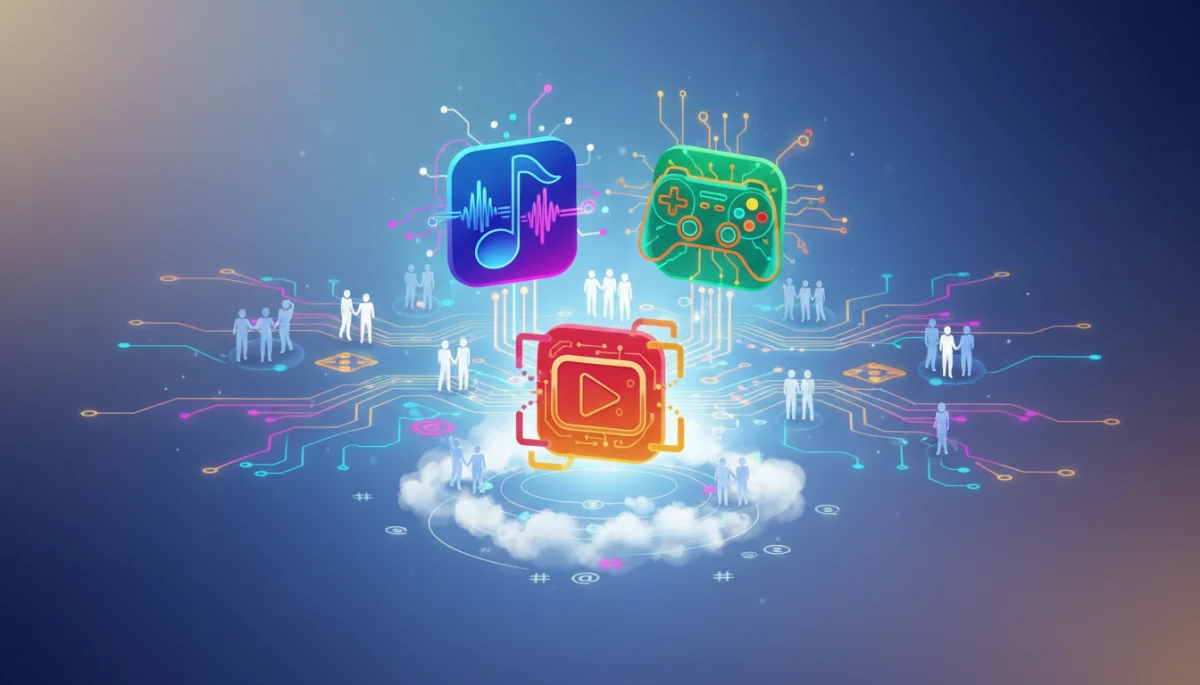
While often perceived as solitary activities, streaming services are increasingly adopting features that exemplify how entertainment apps foster new communities. The rise of co-watching features, integrated chat functions, and social media integrations has transformed passive viewing into an interactive communal experience. No longer are users simply consuming content alone; they are sharing the experience with friends, family, and even strangers who share their taste in media.
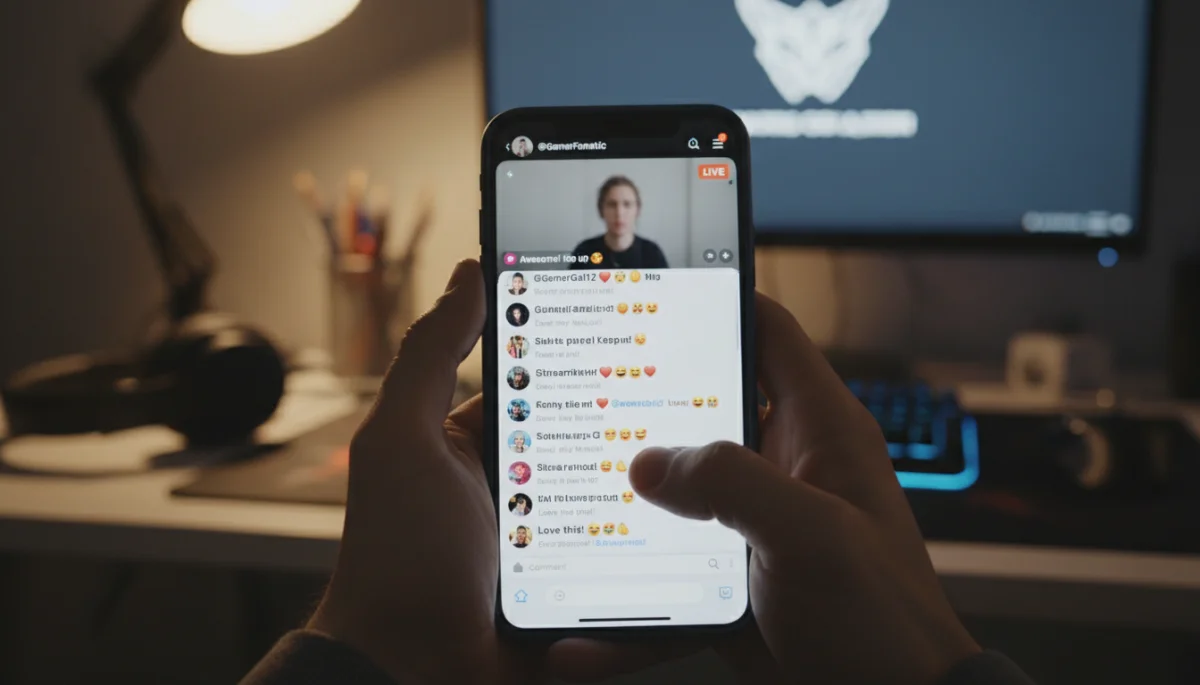
Platforms like Twitch have pioneered this model, where live streamers interact with their audience in real-time, building dedicated communities around their content. Viewers become active participants, influencing the stream, engaging in discussions, and forming bonds with fellow fans. This direct interaction creates a sense of intimacy and belonging that traditional media consumption could never achieve.
Interactive Viewing and Fan Engagement
Beyond live streaming, many traditional video-on-demand services are experimenting with features that allow users to watch content simultaneously with others, complete with synchronized playback and chat rooms. This simulates the experience of watching a movie or show together, even when physically apart. These features are particularly valuable for global fan bases, allowing them to celebrate new releases or re-watch beloved classics as a collective.
- Watch Parties: Synchronized viewing with chat functionality for shared reactions.
- Live Commentary: Content creators and fans discuss shows or movies as they unfold.
- Dedicated Fan Hubs: Apps provide forums and social feeds for discussing specific shows or genres.
- Interactive Polls and Q&A: During live events, these features boost audience engagement and participation.
The ability to share reactions, theories, and emotional responses in real-time significantly enhances the viewing experience and strengthens community bonds. It moves beyond individual enjoyment to a collective celebration or critique of content, turning viewers into an active, connected audience. This evolution highlights how even traditionally solitary entertainment can become a powerful catalyst for social connection.
Music Apps: Curating Sound and Connection
Music apps, while primarily focused on individual listening, also play a significant role in demonstrating how entertainment apps foster new communities. The sharing of playlists, collaborative listening sessions, and artist-centric fan communities are just a few ways these platforms connect people. Music, by its very nature, is a powerful social glue, and apps have amplified its ability to bring people together.
The personalization features of music apps, such as curated playlists and discovery algorithms, often lead users to discover new artists or genres that resonate with others. This shared discovery becomes a basis for connection, as users seek out others who appreciate the same sounds. The act of sharing music becomes an act of sharing a part of oneself, creating an intimate form of social bonding.
Collaborative Playlists and Fan Communities
Many music apps allow users to create and share playlists, making music discovery a communal activity. Collaborative playlists enable multiple users to contribute to a single collection, reflecting shared tastes and forging connections through musical collaboration. Beyond personal sharing, dedicated fan communities often form around specific artists or genres within these apps or on linked social platforms.
- Shared Playlists: Users co-curate music collections, reflecting collective tastes.
- Concert & Festival Hubs: Apps facilitate connections among attendees of live music events.
- Artist Fan Clubs: Dedicated sections or external groups focused on specific musicians or bands.
- Social Listening Features: Allows friends to see what each other is listening to in real-time, prompting discussion.
The communal aspect of music extends to live events, where apps often serve as platforms for organizing meetups, sharing experiences, and finding fellow fans. From pre-concert discussions to post-show analyses, music apps facilitate a continuous social cycle around artists and genres. This continuous engagement ensures that the communities built around music remain active and vibrant, long after the last note fades.
User-Generated Content (UGC) Platforms and Creative Collectives
User-generated content (UGC) platforms, such as TikTok, YouTube, and various creative apps, are perhaps the most direct illustration of how entertainment apps foster new communities. These apps empower individuals to become creators, sharing their talents, perspectives, and passions with a global audience. The very act of creation and consumption on these platforms is inherently social, leading to the rapid formation of creative collectives and subcultures.
On UGC platforms, trends emerge, challenges spread, and collaborative projects take shape, all driven by user interaction. Creators engage directly with their audience through comments, likes, and duets, blurring the lines between content producer and consumer. This direct engagement fosters a strong sense of community, where users feel a personal connection to the creators they follow and to fellow fans who share their enthusiasm.
Challenges, Trends, and Collaborative Creation
The dynamic nature of UGC platforms, with their constant stream of new content and evolving trends, encourages continuous participation and interaction. Users often collaborate on content, whether through duets on TikTok, remixing videos on YouTube, or participating in app-specific challenges. These collaborative acts strengthen bonds and create shared experiences that form the bedrock of digital communities.
- Duets and Remixes: Direct collaboration features that build upon existing content.
- Challenges and Trends: Viral activities that unite users in collective creative endeavors.
- Creator-Audience Interaction: Live Q&A, comments, and direct messages foster strong bonds.
- Niche Subcultures: Specific communities form around unique content styles, interests, or aesthetics.
These creative collectives often transcend the boundaries of the app itself, with members connecting on other social media platforms, organizing meetups, and even launching real-world projects. The shared experience of creating and appreciating content becomes a powerful force for building lasting relationships and fostering a sense of belonging among individuals who might otherwise never have met. It demonstrates that entertainment, when made interactive and accessible, is a potent tool for community building.
The Impact on Social Dynamics and Well-being
The profound ways how entertainment apps foster new communities extend beyond mere digital interaction; they significantly impact social dynamics and individual well-being. For many, these apps provide crucial avenues for connection, combating loneliness, and offering a sense of belonging in a world that can sometimes feel isolating. They create spaces where individuals can express themselves freely and find validation among peers who share their niche interests, which might not be understood or appreciated in their immediate physical environment.
These digital communities often serve as support systems, offering emotional solace, practical advice, and shared experiences during challenging times. Whether it’s a gaming community rallying around a struggling player or a fan group supporting an artist through difficult periods, the bonds formed within these apps can be genuinely impactful. This ability to find and give support remotely highlights the significant social value of these platforms.
Benefits and Challenges of Digital Communities
While the benefits are numerous, it’s also important to acknowledge the challenges inherent in digital community building. Issues such as online toxicity, misinformation, and the potential for echo chambers can arise. However, many apps are actively working to mitigate these problems through moderation tools, community guidelines, and features designed to promote positive interactions. The ongoing development of these platforms seeks to maximize their potential for good while minimizing their downsides.
- Increased Social Capital: Users gain access to diverse perspectives and networks.
- Reduced Loneliness: Provides avenues for connection, especially for those with niche interests.
- Identity Exploration: Safe spaces for individuals to explore and express different facets of their identity.
- Potential for Misinformation: The rapid spread of information can sometimes lead to inaccuracies.
- Online Harassment: Challenges in maintaining a completely safe and respectful environment for all users.
Ultimately, the impact of entertainment apps on social dynamics is a complex interplay of positive and negative forces. However, the overwhelming evidence suggests that their capacity to foster new communities offers significant advantages, enriching lives and creating invaluable connections. As these apps continue to evolve, so too will our understanding of their role in shaping human interaction and collective well-being.
Future Trends in App-Driven Community Building
Looking ahead, the ways how entertainment apps foster new communities are set to become even more sophisticated and integrated. We can anticipate further blurring of lines between entertainment consumption and social interaction, with new technologies and evolving user expectations driving innovation. The future of app-driven communities will likely involve more immersive experiences, deeper personalization, and even more seamless integration with our daily lives.
Artificial intelligence and virtual reality are poised to play increasingly significant roles. AI could enhance community moderation, personalize content recommendations for groups, and even facilitate more nuanced interactions. Virtual reality, on the other hand, promises to create truly immersive social spaces where users can interact as avatars, simulating physical presence and deepening the sense of shared experience within entertainment contexts.
The Metaverse and Hyper-Personalized Connections
The concept of the metaverse, while still in its nascent stages, represents a significant potential evolution for app-driven communities. Imagine interconnected virtual worlds where entertainment, social interaction, and commerce seamlessly merge. Users could attend virtual concerts with friends from across the globe, participate in interactive storytelling experiences, or co-create digital art in shared spaces. This vision suggests a future where communities are not just built around content, but within entirely new digital realities.
- Metaverse Integration: Immersive virtual spaces for shared entertainment and social interaction.
- AI-Powered Social Agents: Enhancing moderation, personalization, and user engagement.
- Augmented Reality (AR) Overlays: Bringing digital community elements into the physical world.
- Decentralized Communities: Blockchain technology could empower users with greater control over their digital communities.
Furthermore, hyper-personalization will likely lead to the formation of even more specific and dynamic communities. Apps will become even better at identifying micro-interests and connecting individuals who share those unique passions, fostering a sense of belonging among highly specialized groups. The future points towards an even richer tapestry of digital communities, constantly adapting and expanding in response to user needs and technological advancements.
| Key Aspect | Description of Impact |
|---|---|
| Shared Interests | Apps connect users globally based on common hobbies, games, music, or content. |
| Interactive Features | Chat, co-watching, and multiplayer options drive real-time social engagement. |
| Content Creation | UGC platforms enable collaborative creation, fostering creative collectives. |
| Social Well-being | These communities offer support, reduce loneliness, and validate niche identities. |
Frequently Asked Questions About Entertainment App Communities
Entertainment apps facilitate community formation by integrating social features like chat, co-watching, multiplayer options, and content sharing. They connect users with shared interests in games, music, or video, enabling real-time interaction and collaborative experiences that build strong bonds among participants.
Joining an entertainment app community offers several benefits, including reduced loneliness, a sense of belonging, access to diverse perspectives, and opportunities for shared experiences. Users can find support, express niche interests, and connect with like-minded individuals globally, enhancing their overall social well-being.
Yes, potential downsides include online toxicity, the spread of misinformation, and the formation of echo chambers. While apps implement moderation, users should remain vigilant and engage responsibly. Balancing digital and real-world interactions is key to a healthy social life.
Gaming apps excel due to their inherent cooperative and competitive nature, demanding teamwork and communication. Features like in-game chat, voice communication, guilds, and esports events create deeply immersive social environments, fostering strong camaraderie and long-lasting player bonds.
Future trends include greater metaverse integration, offering immersive virtual social spaces. AI will enhance personalization and moderation, while augmented reality could bring digital community elements into the physical world. Decentralized technologies might also empower users with more control over their communities.
Conclusion
The journey to understand how entertainment apps foster new communities reveals a dynamic and evolving landscape of human connection. These platforms have moved beyond simple content delivery, becoming vital hubs for social interaction, shared passions, and collective experiences. From the collaborative battlefields of gaming to the synchronized viewing parties of streaming services, and the creative collectives born from user-generated content, entertainment apps are reshaping our social fabric. They offer invaluable spaces for belonging, self-expression, and mutual support, demonstrating that the future of community building is increasingly digital, interactive, and globally interconnected. As technology continues to advance, we can expect these digital social spaces to become even more immersive and integral to our daily lives, continually redefining the very essence of human connection.
