Innovations in Entertainment Messaging: The Future of Engagement
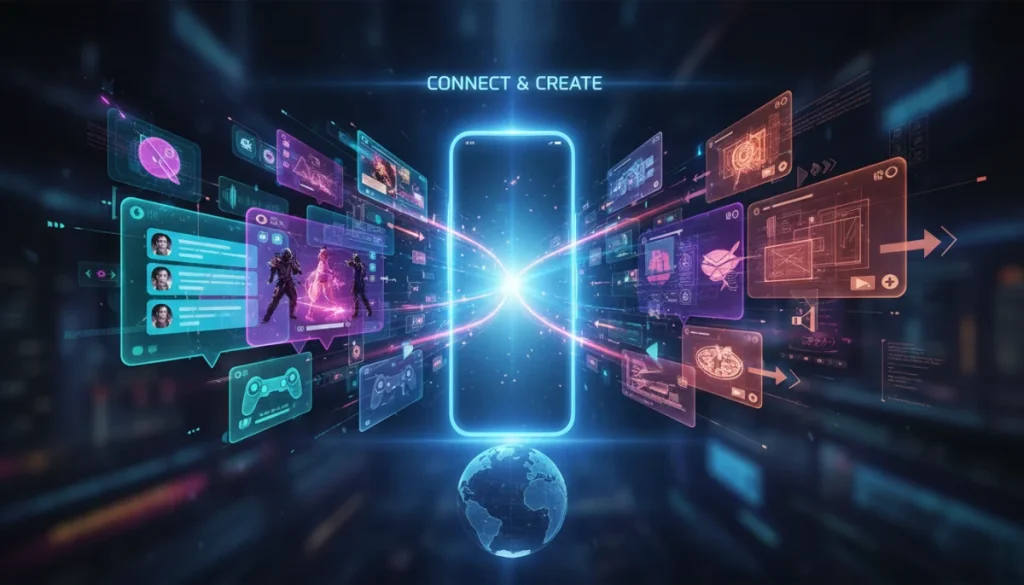
Entertainment messaging innovations are transforming how users interact, offering immersive experiences through interactive content, AI, and integrated platforms, fundamentally reshaping digital communication and engagement.
The landscape of digital communication is constantly evolving, and at its forefront are the remarkable innovations in entertainment messaging. Gone are the days of simple text exchanges; today’s messaging apps are vibrant hubs of interaction, blending communication with immersive entertainment experiences that redefine how we connect and engage.
The Evolution of Interactive Messaging Platforms
Messaging platforms have moved beyond their rudimentary beginnings as mere text conduits. They have evolved into complex ecosystems, integrating a plethora of features designed to entertain and engage users in novel ways. This shift reflects a broader trend in digital consumption, where passive content viewing is being replaced by active, participatory experiences.
Early messaging applications focused primarily on efficiency and reliability. However, as technology advanced and user expectations grew, developers began to experiment with incorporating elements that made conversations more dynamic and enjoyable. This included the introduction of emojis, then stickers, and eventually GIFs, all of which added layers of emotional expression and humor to everyday chats.
From Emojis to Rich Media Experiences
The journey from basic text to rich, interactive media has been swift and transformative. What started as simple graphical representations of emotions quickly expanded into a vast library of animated content, short video clips, and even augmented reality filters. These additions have not only made conversations more engaging but have also allowed for more nuanced and creative forms of self-expression.
- Animated Stickers: Beyond static images, these bring characters and actions to life within conversations.
- GIF Libraries: Vast repositories of short, looping videos that add humor and context instantly.
- Augmented Reality Filters: Overlay digital elements onto real-world images or videos, transforming selfies and video calls.
- Interactive Polls and Quizzes: Enable direct engagement within group chats, fostering community and discussion.
The integration of these rich media experiences has turned messaging apps into miniature entertainment hubs. Users can now share not just thoughts, but entire experiences, making communication more vivid and memorable. This continuous push for richer interaction is a cornerstone of current entertainment messaging innovations.
The evolution continues with platforms exploring even deeper integrations, such as live streaming within chats and collaborative content creation tools, pushing the boundaries of what a messaging app can be. This ongoing development ensures that communication remains fresh, exciting, and central to our digital lives, constantly finding new ways to capture user attention and foster deeper connections.
Gaming and Gamification in Messaging Apps
The convergence of gaming and messaging has opened up exciting new avenues for user engagement. Gamification, the application of game-design elements and game principles in non-game contexts, has been particularly effective in boosting interaction and retention within messaging platforms. This trend is a significant part of the current wave of entertainment messaging innovations.
Mini-games embedded directly within chat interfaces allow friends to play together without leaving the conversation. These games range from simple arcade-style challenges to more complex multiplayer experiences, fostering a sense of friendly competition and shared fun. The convenience of launching a game directly from a chat thread removes friction, encouraging spontaneous play sessions.
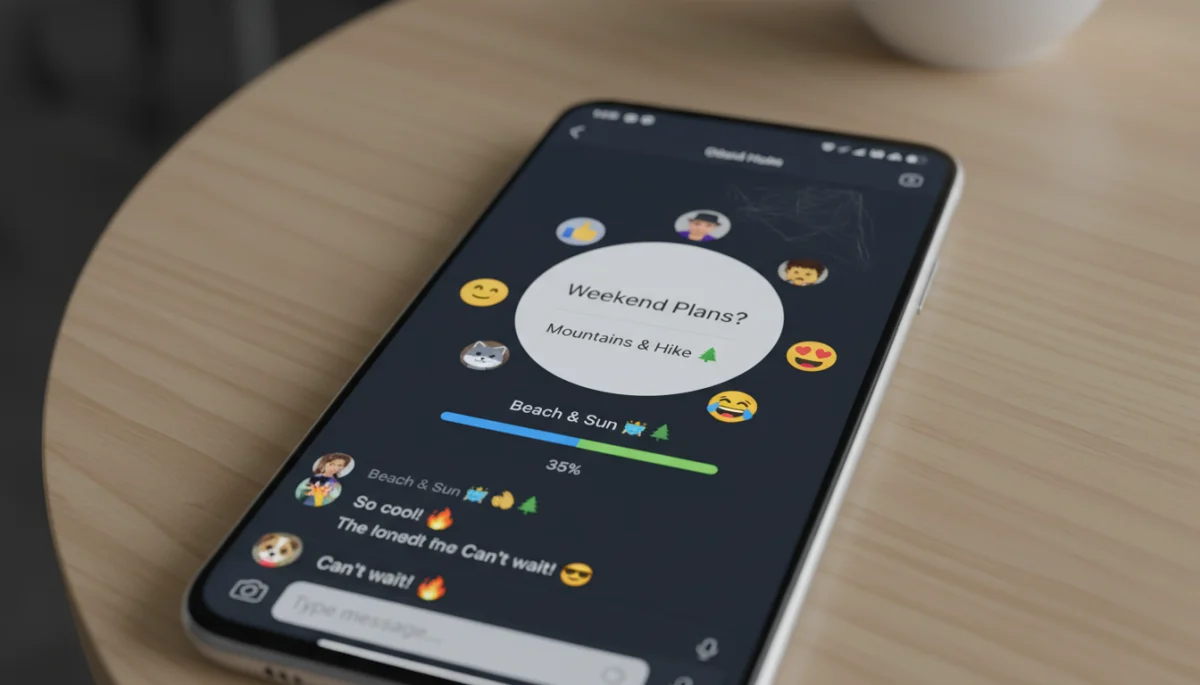
Beyond dedicated games, many messaging apps now incorporate gamified elements into their core features. This might include earning badges for consistent usage, unlocking new customization options, or participating in challenges that encourage specific behaviors, such as sending a certain number of messages or using new features. These subtle additions make the act of messaging itself more rewarding.
In-Chat Games and Collaborative Experiences
The rise of in-chat games has transformed group conversations into interactive playgrounds. These games are often designed to be quick and easy to pick up, making them perfect for short breaks or casual interaction. They also serve as excellent icebreakers and conversation starters, especially in new groups or among acquaintances.
- Turn-Based Games: Allow users to play at their own pace, fitting into busy schedules.
- Real-Time Multiplayer: Offer immediate, synchronous interaction, enhancing the feeling of shared experience.
- Collaborative Puzzles: Encourage teamwork and problem-solving within a group setting.
- Leaderboards and Challenges: Drive engagement through competition and a desire for achievement.
These gaming integrations are not just about entertainment; they also strengthen social bonds. Shared victories and defeats, cooperative problem-solving, and friendly rivalry all contribute to a richer, more connected user experience. The seamless transition between chatting and gaming ensures that the entertainment value is always just a tap away, making these platforms indispensable for many users.
The future of this integration promises even more sophisticated gaming experiences, potentially leveraging augmented and virtual reality to create truly immersive shared environments directly within messaging applications, further blurring the lines between communication and play.
AI and Personalization in Entertainment Messaging
Artificial intelligence is rapidly becoming a cornerstone of entertainment messaging innovations, driving personalization and creating more intuitive, engaging user experiences. AI’s ability to analyze user data, understand context, and even generate content is transforming how we interact with messaging apps and the entertainment they offer.
One of the most immediate impacts of AI is in content recommendation. Messaging apps can now suggest relevant stickers, GIFs, or even short video clips based on the sentiment of a conversation or the user’s past preferences. This proactive assistance saves users time and enhances the flow of conversation, making interactions feel more natural and personalized.
Beyond recommendations, AI-powered chatbots are evolving from simple customer service tools into sophisticated conversational companions. These bots can offer entertainment, answer trivia questions, or even engage in creative storytelling, providing a unique form of interactive entertainment directly within the messaging interface. Their ability to learn and adapt makes each interaction potentially more engaging.
Smart Content Suggestions and AI-Powered Companions
AI algorithms are constantly at work behind the scenes, making messaging more efficient and enjoyable. From predicting the next word you’ll type to suggesting an appropriate emoji, smart suggestions streamline the communication process. In entertainment messaging, this extends to multimedia content, making it easier to find and share the perfect GIF or video clip to convey a message.
- Contextual GIF/Sticker Suggestions: AI analyzes chat content to offer relevant visual responses.
- Automated Content Curation: Bots can deliver personalized news feeds or entertainment updates based on user interests.
- Interactive Storytelling Bots: AI creates branching narratives where user choices influence the story’s progression.
- Personalized Playlists: Integration with music streaming services allows AI to suggest songs or create shared playlists within chats.
The development of AI-powered companions represents a significant leap. These advanced chatbots can engage in nuanced conversations, remember past interactions, and even develop a distinct personality. For entertainment, this means a new form of interactive storytelling, gaming, or simply a novel way to pass the time, offering a unique blend of utility and amusement.
As AI continues to advance, we can expect even more sophisticated personalization, with messaging apps becoming increasingly adept at anticipating our entertainment needs and delivering tailored experiences that feel uniquely designed for each individual user, further cementing their role as central hubs for digital engagement.
Live Streaming and Interactive Events
The integration of live streaming and interactive events within messaging applications represents a powerful new frontier for entertainment messaging innovations. This feature allows users to not only communicate but also to share and experience live moments together, fostering a sense of community and immediacy that traditional messaging cannot replicate.
Live streaming in messaging apps goes beyond simply sharing a link to an external platform. It enables real-time broadcasting directly within a chat or group, allowing friends to watch and react together. This is particularly popular for sharing personal events, casual hangouts, or even co-watching public streams with a private commentary track among friends.
Interactive events take this concept further, incorporating elements like live polls, Q&A sessions, and virtual gifts that viewers can send to streamers. These features transform passive viewing into an active, participatory experience, making users feel more connected to the content and the community.
Co-Watching and Real-Time Engagement
The ability to co-watch content within a messaging app has become a highly sought-after feature. Whether it’s a sports game, a concert, or a movie, friends can now experience it together, exchanging reactions and comments in real-time. This replicates the social aspect of watching content with others, even when physically apart.
- Group Video Calls with Shared Screens: Enable simultaneous viewing of videos, games, or other content.
- Live Reactions and Emojis: Allow viewers to express their feelings instantly during a stream.
- Virtual Gifts and Tipping: Provide a way for viewers to support creators or show appreciation.
- Interactive Overlays: Games or polls that appear on screen during a live broadcast, requiring viewer participation.
These interactive events create a dynamic and engaging environment. The immediacy of live reactions and the ability to directly influence the content or interact with the streamer foster a deeper level of engagement than traditional media consumption. For entertainers and content creators, messaging apps offer a direct and intimate channel to connect with their audience.
The future will likely see even more sophisticated interactive live experiences, potentially including virtual concerts or collaborative creative sessions, all seamlessly integrated within the messaging ecosystem, making these platforms central to how we consume and share live entertainment.
The Rise of Social Commerce and Brand Engagement
Messaging applications are increasingly becoming powerful platforms for social commerce and brand engagement, marking another significant area of entertainment messaging innovations. Brands are recognizing the immense potential of direct, personalized communication channels to connect with consumers, not just for sales, but for building community and delivering entertainment.
Social commerce within messaging apps allows users to discover, browse, and purchase products directly within their chat interfaces. This streamlined process removes friction from the shopping experience, making it more convenient and integrated into daily digital habits. Brands can leverage chatbots for personalized recommendations, customer support, and even interactive product demonstrations.
Beyond direct sales, messaging apps are used for brand storytelling and creating engaging, interactive campaigns. Companies can launch mini-games, quizzes, or exclusive content drops through chat, turning marketing into an entertaining experience. This approach fosters loyalty and creates a more memorable connection with the brand.
Interactive Shopping Experiences and Brand Storytelling
The blend of social interaction and commerce in messaging apps is creating a new paradigm for retail. Customers can consult with friends about purchases in real-time, share product links effortlessly, and even participate in group buying experiences. This social validation makes shopping more enjoyable and trustworthy.
- Chatbot-Guided Shopping: AI assistants help users find products, compare options, and complete purchases.
- Exclusive In-App Deals: Brands offer special promotions accessible only through their messaging channels.
- Augmented Reality Try-Ons: Users can virtually try on clothes or visualize products in their homes through AR filters in chat.
- Interactive Brand Games: Short, branded games that entertain users while subtly promoting products or services.
Brand engagement through messaging is evolving into an art form. Instead of intrusive advertisements, companies are creating valuable, entertaining content that users genuinely want to interact with. This could be a virtual fashion show, a cooking class streamed live, or a trivia game about their products, all designed to entertain while subtly promoting their offerings.
The personal nature of messaging allows brands to build deeper relationships with their customers, moving beyond transactional interactions to create a community of loyal followers. This trend is set to grow as more brands realize the power of direct, interactive engagement in the messaging space.
The Future of Entertainment Messaging: XR and Beyond
Looking ahead, the future of entertainment messaging innovations is poised for even more transformative changes, with extended reality (XR) technologies like virtual reality (VR) and augmented reality (AR) at the forefront. These immersive technologies promise to redefine what it means to communicate and be entertained within digital spaces.
Imagine stepping into a virtual chat room with friends, where you can interact with each other’s avatars, play games in a shared virtual environment, or even attend a concert together, all within your messaging application. VR messaging could create truly immersive social experiences that transcend geographical boundaries, making distant connections feel incredibly close.
Augmented reality is already making inroads, but its potential in messaging is far from fully realized. Future AR features could allow users to leave persistent digital notes in real-world locations for friends to discover, or to collaboratively build virtual structures that only appear when viewed through a phone camera, blending the digital and physical worlds in playful ways.

Immersive Communication and Metaverse Integrations
The concept of the metaverse, a persistent, shared virtual space, aligns perfectly with the trajectory of entertainment messaging. As metaverse platforms develop, messaging apps are likely to become key gateways, enabling seamless transitions between chat, virtual social spaces, and interactive experiences. This will create a truly unified digital identity and communication hub.
- VR Chatrooms: Fully immersive spaces where users interact as avatars in 3D environments.
- AR Shared Experiences: Collaborative digital overlays on the real world, visible to all participants.
- Haptic Feedback Integration: Adding tactile sensations to digital interactions, enhancing immersion.
- Brain-Computer Interface (BCI) Potential: Long-term vision for direct thought-to-message communication and interaction.
The integration of XR will move messaging beyond screens, creating a multi-sensory communication experience. The ability to express emotions through avatar movements, spatial audio, and even virtual touch will make digital interactions richer and more nuanced. This level of immersion will blur the lines between online and offline, making digital entertainment more visceral and engaging.
The continuous push for innovation in entertainment messaging will undoubtedly lead to new paradigms of interaction we can only begin to imagine. As technology advances, these platforms will continue to evolve, offering increasingly sophisticated ways to connect, play, and experience the digital world together, firmly establishing themselves as central to our future social and entertainment lives.
Challenges and Ethical Considerations
While the rapid pace of entertainment messaging innovations brings exciting possibilities, it also presents a unique set of challenges and ethical considerations that must be addressed. As these platforms become more integrated into our daily lives, issues surrounding privacy, data security, and responsible content moderation become increasingly critical.
The collection and use of user data for personalization, while enhancing entertainment experiences, raise significant privacy concerns. Users need transparency regarding how their data is used and robust controls over their personal information. Balancing personalized engagement with privacy protection is a delicate act that developers must navigate carefully.
Furthermore, the interactive nature of entertainment messaging can sometimes lead to issues of digital well-being, including addiction and the potential for cyberbullying or the spread of misinformation. Platforms have a responsibility to implement features and policies that promote healthy usage and protect users from harmful content or interactions.
Privacy, Data Security, and Responsible AI
Ensuring user trust is paramount for the continued success of entertainment messaging. Strong encryption, clear data policies, and user-friendly privacy settings are essential. As AI becomes more prevalent, the ethical implications of its use, particularly in content generation and personalization, must be carefully considered to avoid bias and maintain user autonomy.
- End-to-End Encryption: Safeguards message content from unauthorized access.
- Transparent Data Policies: Clearly inform users about data collection and usage practices.
- User Control over Personalization: Allow users to opt-out or customize AI-driven features.
- AI Bias Mitigation: Implement measures to ensure AI algorithms do not perpetuate or amplify societal biases.
Content moderation is another significant challenge. The sheer volume of user-generated content, especially in live streaming and interactive events, makes it difficult to monitor effectively. Platforms must invest in advanced AI tools and human moderators to identify and remove harmful content, while also protecting freedom of expression.
Addressing these challenges requires a collaborative effort from developers, policymakers, and users themselves. By prioritizing ethical design, transparency, and user safety, the entertainment messaging industry can continue to innovate responsibly, ensuring that these powerful tools enhance rather than detract from human connection and well-being. The ongoing dialogue around these issues is crucial for shaping a positive future for digital communication.
| Key Innovation | Impact on Entertainment Messaging |
|---|---|
| Interactive Content | Transforms passive viewing into active participation through polls, quizzes, and rich media, making communication more dynamic. |
| Gaming Integration | Embeds mini-games and gamified elements directly into chats, fostering shared experiences and friendly competition among users. |
| AI Personalization | Leverages AI for smart content suggestions and AI companions, offering tailored entertainment and more intuitive interactions. |
| Live Streaming & XR | Enables real-time co-watching and immersive communication through virtual and augmented reality, creating deeper connections. |
Frequently Asked Questions About Entertainment Messaging
The latest innovations include immersive interactive content like polls and quizzes, integrated mini-games, AI-powered personalization for content suggestions, live streaming for co-watching experiences, and the early integration of augmented and virtual reality features to create more dynamic and engaging communication platforms.
AI enhances entertainment by providing smart content suggestions (e.g., GIFs, stickers), powering interactive chatbots that offer games or storytelling, and personalizing user experiences based on preferences. This makes interactions more intuitive, engaging, and tailored to individual tastes within messaging platforms.
Yes, many modern messaging applications now feature integrated mini-games and gamified elements. These allow users to play turn-based or real-time multiplayer games with friends directly within chat threads, fostering competition and shared fun without needing to switch to a separate gaming app.
Live streaming in messaging apps enables users to share and experience live moments together in real-time. This includes co-watching videos, attending virtual events, or broadcasting personal moments to friends, complete with live reactions and interactive features, enhancing community and immediacy.
Key ethical challenges include ensuring user privacy and data security amidst extensive data collection for personalization. Additionally, platforms must address issues of digital well-being, content moderation for harmful material, and mitigating AI biases to foster a safe and responsible environment for all users.
Conclusion
The journey of messaging applications from simple communication tools to sophisticated entertainment hubs underscores a fundamental shift in digital interaction. The continuous stream of entertainment messaging innovations, encompassing everything from rich interactive content and integrated gaming to advanced AI personalization and immersive XR experiences, is not merely about adding features; it’s about redefining how we connect, play, and even shop in the digital realm. While these advancements promise richer, more engaging experiences, they also bring critical responsibilities regarding user privacy, data security, and ethical content management. As these platforms continue to evolve, their ability to balance cutting-edge technology with user well-being will determine their ultimate success in shaping the future of digital entertainment and communication.
