Data Security in Entertainment Messaging Platforms: A Deep Dive

Data security in entertainment messaging platforms is paramount, involving robust encryption, user authentication, and proactive threat detection to safeguard personal information and communication against evolving cyber threats.
In an age where digital interaction is the bedrock of entertainment, understanding data security in entertainment messaging platforms is no longer just a technical concern; it’s a fundamental aspect of our daily lives. From sharing memes to coordinating gaming sessions, these platforms are hubs of personal and collective expression. But what happens to our data when we hit ‘send’? How secure are these digital playgrounds? This article delves into the intricate world of data protection within these popular applications, exploring the challenges, technologies, and best practices that keep our conversations private and our information safe.
The evolving landscape of entertainment messaging
Entertainment messaging platforms have transformed from simple text-based communication tools into multifaceted ecosystems. They now integrate social media features, multimedia sharing, group chats, voice and video calls, and even gaming functionalities. This evolution, while enhancing user experience, simultaneously introduces a complex array of data security challenges. The sheer volume and variety of data exchanged—from personal photos and videos to location information and private conversations—make these platforms attractive targets for cybercriminals.
The rapid pace of technological advancement means that security measures must constantly adapt. What was considered cutting-edge protection a few years ago might be insufficient today. Platforms are in a perpetual race against sophisticated attackers who seek to exploit vulnerabilities for financial gain, espionage, or disruption. This dynamic environment necessitates a deep understanding of the threats and the solutions being developed to counter them, ensuring that our digital entertainment remains a source of joy, not anxiety.
The rise of integrated features
Modern entertainment messaging apps are no longer just about chatting. They’ve become comprehensive social hubs. This integration of features, while convenient, expands the attack surface for malicious actors.
- Multimedia sharing: Photos, videos, and voice notes can contain metadata revealing sensitive information.
- Location services: Sharing location data, even temporarily, can pose privacy risks if not properly secured.
- In-app payments: Financial transactions introduce new vectors for fraud and data breaches.
- Third-party integrations: Connecting with other apps can create vulnerabilities if not managed carefully.
As these platforms continue to evolve, the responsibility for data security becomes a shared one, encompassing platform developers, regulatory bodies, and individual users. A multi-layered approach is essential to navigate this complex digital terrain safely.
Core security technologies in practice
At the heart of robust data security in entertainment messaging platforms are sophisticated technological safeguards. These mechanisms work in concert to protect user data from unauthorized access, manipulation, and disclosure. Understanding these core technologies provides insight into how platforms strive to maintain user trust and privacy.
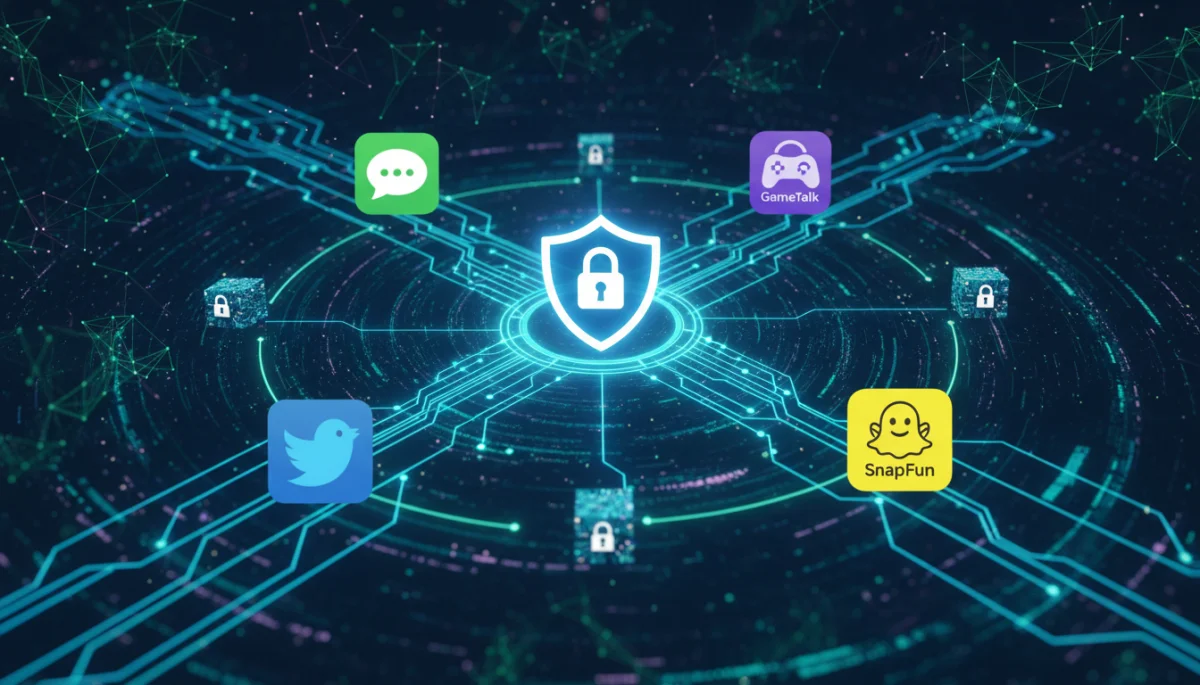
Encryption stands as the cornerstone of secure messaging. End-to-end encryption (E2EE), in particular, ensures that only the sender and intended recipient can read messages, preventing even the platform providers from accessing the content. This level of protection is crucial for maintaining the confidentiality of personal conversations and sensitive information exchanged on these platforms. Beyond encryption, other technologies like secure authentication and intrusion detection systems play vital roles in fortifying the digital perimeter.
The implementation of these technologies is not static; it requires continuous updates and vigilance. As new vulnerabilities are discovered and new attack methods emerge, security protocols must be refined and strengthened. This constant evolution is a testament to the ongoing commitment required to provide a truly secure messaging environment.
End-to-end encryption (E2EE) explained
E2EE is a cryptographic method that secures communication channels so that only the communicating users can read the messages. It’s a powerful tool against eavesdropping.
- Key exchange: Secure protocols ensure that encryption keys are exchanged safely between users.
- Message scrambling: Messages are converted into unreadable code during transit.
- Decryption: Only the recipient’s device can decrypt and read the original message.
While E2EE offers strong protection, its effectiveness depends on proper implementation and the absence of backdoors. Users should verify if their preferred platforms truly offer E2EE by checking their security policies.
Authentication and access controls
Beyond encryption, strong authentication mechanisms are critical. These ensure that only authorized users can access their accounts. Multi-factor authentication (MFA) adds an extra layer of security, requiring users to provide two or more verification factors to gain access.
Access controls also dictate what data users and applications can interact with. Granular permissions ensure that only necessary data is accessed for specific functions, minimizing exposure to potential breaches. Regularly reviewing and updating these controls is vital for maintaining a secure ecosystem.
The human element: user awareness and best practices
While advanced technologies form the backbone of data security in entertainment messaging platforms, the human element remains a significant factor. User awareness and adherence to best practices are indispensable for creating a truly secure digital environment. Even the most sophisticated security systems can be compromised by human error or negligence.
Educating users about potential threats, such as phishing, social engineering, and malware, empowers them to make informed decisions and act as the first line of defense. Simple yet effective habits, like using strong, unique passwords and being cautious about clicking suspicious links, can significantly reduce the risk of security incidents. Platforms often provide security tips and guidelines, but it is ultimately the user’s responsibility to internalize and apply these recommendations consistently.
Furthermore, understanding privacy settings and actively managing data sharing preferences are critical. Many platforms offer extensive options for controlling who sees what information, but these settings are often overlooked. Proactive engagement with these features allows users to tailor their security posture to their comfort level and risk tolerance, enhancing their overall digital safety.
Recognizing phishing and social engineering
Phishing attacks attempt to trick users into revealing sensitive information, often by impersonating legitimate entities. Social engineering manipulates individuals into performing actions or divulging confidential data.
- Verify sender identity: Always double-check the sender’s email address or profile before responding to requests for information.
- Beware of urgent requests: Phishing attempts often create a sense of urgency to bypass critical thinking.
- Look for inconsistencies: Typos, grammatical errors, and unusual formatting can be red flags.
Being vigilant and skeptical of unsolicited communications is key to avoiding these common traps. If something feels off, it likely is.
Strong passwords and multi-factor authentication (MFA)
A strong password is your first line of defense. It should be long, complex, and unique to each account. Combining uppercase and lowercase letters, numbers, and symbols significantly increases its strength.
MFA adds another layer of protection by requiring a second form of verification, such as a code from an authenticator app or a biometric scan. Even if a password is compromised, MFA can prevent unauthorized access, making it an essential security measure for all online accounts.
Regulatory frameworks and compliance
The increasing focus on data security in entertainment messaging platforms has led to the development of various regulatory frameworks aimed at protecting user privacy. These regulations impose legal obligations on platform providers, dictating how they must collect, process, store, and secure personal data. Compliance with these frameworks is not only a legal necessity but also a critical factor in building and maintaining user trust.
Laws like the General Data Protection Regulation (GDPR) in Europe and the California Consumer Privacy Act (CCPA) in the United States have set high standards for data protection, emphasizing transparency, user consent, and accountability. These regulations often require platforms to implement specific technical and organizational measures to safeguard data, conduct data protection impact assessments, and promptly report data breaches.
Navigating this complex regulatory landscape requires continuous effort from platform providers. They must stay abreast of evolving legal requirements, invest in robust compliance programs, and demonstrate a clear commitment to protecting user data. For users, these regulations provide a legal basis for demanding greater control over their personal information and seeking recourse in case of misuse.
GDPR and its impact
The GDPR is one of the most comprehensive data protection laws globally. It has significantly influenced how companies, including entertainment messaging platforms, handle personal data.
- Data subject rights: Users have rights to access, rectify, erase, and restrict processing of their data.
- Consent requirements: Platforms must obtain explicit consent for data collection and processing.
- Breach notification: Companies must report data breaches within 72 hours to authorities and affected individuals.
Non-compliance with GDPR can result in substantial fines, underscoring the importance of adhering to its strict provisions.
CCPA and consumer privacy
The CCPA grants California consumers significant rights regarding their personal information, similar to GDPR principles. It focuses on transparency and consumer control over data.
Under CCPA, consumers have the right to know what personal information is collected about them, to request its deletion, and to opt out of its sale. This legislation has prompted many platforms to enhance their privacy policies and offer more granular control over user data, setting a precedent for other states in the U.S.
Threats and vulnerabilities in entertainment messaging
Despite robust security measures, data security in entertainment messaging platforms remains a constant battle against evolving threats and inherent vulnerabilities. Cybercriminals continuously seek new ways to exploit weaknesses, ranging from technical glitches to human susceptibility. Understanding these threats is crucial for both platform providers and users to anticipate and mitigate risks effectively.
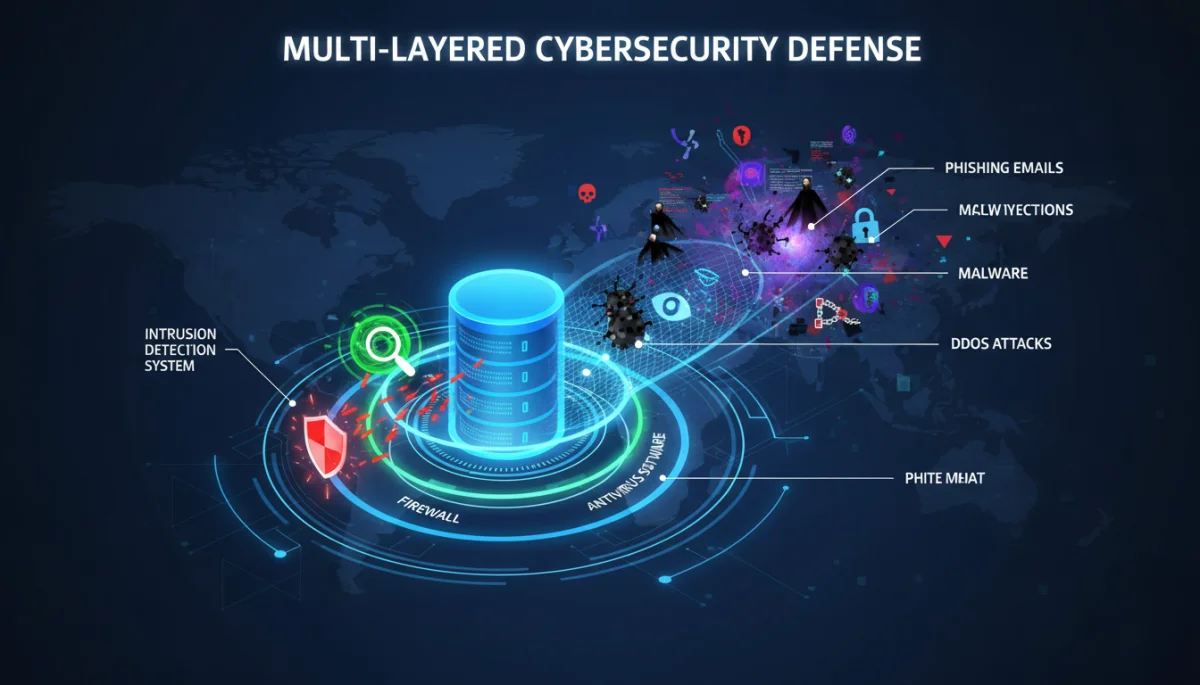
Common threats include malware attacks, which can infect devices and steal data, and man-in-the-middle attacks, where attackers intercept communication between two parties. Phishing and social engineering continue to be prevalent, tricking users into divulging sensitive information. Furthermore, vulnerabilities can arise from software bugs, misconfigurations, or even compromised third-party integrations, creating potential entry points for malicious actors.
The interconnected nature of digital platforms means that a vulnerability in one component can have cascading effects, potentially exposing data across multiple services. Continuous monitoring, penetration testing, and rapid patching of discovered flaws are essential practices for platforms to maintain a strong security posture. Users, in turn, must remain vigilant and report any suspicious activities.
Malware and ransomware attacks
Malware, including viruses, worms, and spyware, can infect devices and compromise data. Ransomware, a particularly insidious form of malware, encrypts a victim’s files and demands payment for their release.
- Attachment vigilance: Be wary of unsolicited attachments, even from known contacts.
- Antivirus software: Keep antivirus and anti-malware software updated on all devices.
- Regular backups: Back up important data to minimize the impact of ransomware attacks.
These attacks often leverage social engineering tactics, making user education a critical defense.
Insider threats and data breaches
While external threats are widely recognized, insider threats—malicious or accidental actions by employees or trusted individuals—can also compromise data. A disgruntled employee or one who falls victim to a phishing scam can inadvertently expose sensitive information.
Data breaches, whether from external attacks or insider threats, can lead to the exposure of personal information, financial losses, and reputational damage. Platforms must implement strict access controls, conduct background checks, and monitor internal activities to minimize these risks. Incident response plans are also vital for quickly containing and mitigating the impact of any breach.
Future trends in securing digital communication
The landscape of data security in entertainment messaging platforms is constantly evolving, driven by technological advancements and the escalating sophistication of cyber threats. Looking ahead, several key trends are likely to shape how digital communication is secured, offering both new opportunities and challenges for user privacy and data protection.
One significant trend is the increasing adoption of artificial intelligence (AI) and machine learning (ML) in security systems. These technologies can enhance threat detection capabilities, identify unusual patterns of behavior, and automate responses to emerging threats more effectively than traditional methods. AI-powered security can analyze vast amounts of data to predict and prevent attacks, providing a proactive defense.
Another emerging area is the development of privacy-enhancing technologies (PETs), such as homomorphic encryption and zero-knowledge proofs. These advanced cryptographic techniques allow computations on encrypted data without decrypting it, or enable verification of information without revealing the underlying data. While still largely in the research phase for widespread application, PETs hold immense promise for revolutionizing how data is processed and shared securely.
AI and machine learning in cybersecurity
AI and ML are transforming cybersecurity by enabling more intelligent and adaptive defense mechanisms. They can analyze large datasets to identify subtle indicators of malicious activity that might go unnoticed by human analysts.
- Anomaly detection: AI can flag unusual login attempts or data access patterns.
- Threat intelligence: ML algorithms can process global threat data to predict future attacks.
- Automated response: AI can trigger automated actions to isolate threats and mitigate damage.
However, the use of AI also raises concerns about potential biases and the need for ethical guidelines in its deployment.
Decentralized and blockchain-based solutions
Decentralized messaging platforms, often leveraging blockchain technology, offer an alternative approach to data security. By distributing data across a network rather than centralizing it on a single server, these platforms aim to reduce single points of failure and enhance censorship resistance.
Blockchain’s immutable ledger can be used to verify message integrity and ensure that communication logs haven’t been tampered with. While still in nascent stages for mainstream adoption, these technologies could offer new paradigms for secure and private communication, giving users greater control over their data in a distributed environment.
Empowering users: taking control of your digital privacy
Ultimately, enhancing data security in entertainment messaging platforms is a shared responsibility, but users hold significant power in protecting their own digital privacy. Beyond relying solely on platform providers, individuals can adopt proactive strategies to safeguard their personal information and ensure a more secure online experience. Taking control involves understanding available tools, making informed choices, and maintaining a vigilant mindset.
Regularly reviewing and updating privacy settings on all entertainment messaging platforms is a crucial first step. Many apps offer granular controls over data sharing, location services, and contact information. Users should familiarize themselves with these options and configure them to align with their comfort levels. Furthermore, being selective about the information shared, even with trusted contacts, can prevent unintended exposure.
The digital world demands a degree of skepticism. Questioning unexpected links, verifying identities before sharing sensitive data, and being aware of common scam tactics are essential habits. By combining technological safeguards with personal vigilance and informed decision-making, users can significantly enhance their digital privacy and enjoy the benefits of entertainment messaging platforms with greater peace of mind.
Privacy settings and data control
Most platforms offer extensive privacy settings that allow users to manage who can see their profile, send them messages, or access their data. Actively configuring these settings is vital.
- Review audience for posts: Limit who can see your updates and shared content.
- Manage location sharing: Disable location services when not necessary or use them selectively.
- Control contact access: Decide whether apps can access your device’s contact list.
Periodically revisiting these settings ensures they remain aligned with your current privacy preferences.
Reporting suspicious activity
Users play a critical role in maintaining the security of the entire community. If you encounter suspicious messages, links, or profiles, reporting them to the platform provider is essential.
Reporting helps platforms identify and neutralize threats, protecting other users from potential harm. Many apps have built-in reporting mechanisms that are easy to use. By actively participating in the security ecosystem, users contribute to a safer and more trustworthy digital environment for everyone.
| Key Aspect | Brief Description |
|---|---|
| End-to-End Encryption | Ensures only sender and recipient can read messages, crucial for privacy. |
| User Awareness | Educating users on phishing, strong passwords, and privacy settings is vital. |
| Regulatory Compliance | Adherence to laws like GDPR and CCPA protects consumer data rights. |
| Threat Mitigation | Continuous efforts to counter malware, social engineering, and data breaches. |
Frequently asked questions about data security
E2EE is a security method that scrambles messages so only the sender and receiver can read them. It’s crucial because it prevents third parties, including the messaging platform itself, from accessing the content of your conversations, ensuring maximum privacy and confidentiality.
You can protect your data by using strong, unique passwords, enabling multi-factor authentication, being cautious of suspicious links or messages, and regularly reviewing and adjusting your privacy settings to limit data sharing. Staying informed about common cyber threats also helps.
Most reputable entertainment messaging platforms strive to comply with major data protection regulations like GDPR and CCPA. Compliance involves implementing robust security measures, obtaining user consent for data processing, and providing users with control over their personal information. Always check a platform’s privacy policy.
Common threats include phishing attacks, where users are tricked into revealing information; social engineering, which manipulates users; malware and ransomware that infect devices; and data breaches, which can expose personal information. Insider threats from malicious employees are also a concern.
AI and machine learning enhance security by detecting anomalies, identifying unusual behavior patterns, and predicting potential threats more efficiently. They can automate responses to attacks, analyze vast amounts of data for threat intelligence, and improve overall defensive capabilities against evolving cyber risks.
Conclusion
The journey through the complexities of data security in entertainment messaging platforms reveals a multifaceted challenge that requires continuous innovation, vigilant oversight, and active user participation. While platform providers are investing heavily in advanced encryption, authentication protocols, and compliance with stringent regulations, the dynamic nature of cyber threats means that the battle for digital privacy is ongoing. Users, equipped with knowledge about best practices and empowered to manage their privacy settings, play an equally critical role in fortifying their personal data. As these platforms continue to evolve, integrating more features and becoming more central to our daily entertainment, a collaborative effort between developers, regulators, and individuals will be paramount to ensuring a secure, private, and enjoyable digital communication experience for everyone.
