Geothermal Heating for Your Home: A Cost-Benefit Analysis

Geothermal heating harnesses the Earth’s stable underground temperatures to provide highly efficient heating and cooling for homes, offering substantial energy savings and environmental advantages over conventional HVAC systems.
Considering a new heating system for your home? The choice can feel overwhelming, especially with so many options promising efficiency and savings. However, one solution stands out for its long-term benefits and environmental stewardship: geothermal heating for your home: a cost-benefit analysis. This article will delve into what makes geothermal heating a compelling option for homeowners in the United States, examining its financial implications, environmental advantages, and operational efficiency.
Understanding Geothermal Heating Systems
Geothermal heating systems, also known as ground-source heat pumps (GSHPs), utilize the stable temperature of the Earth’s subsurface to provide heating, cooling, and often hot water for residential and commercial buildings. Unlike traditional furnaces or air conditioners that burn fossil fuels or rely on air temperatures, geothermal systems exchange heat with the ground, which remains at a relatively constant temperature year-round, typically between 45 and 75 degrees Fahrenheit, depending on the geographic location.
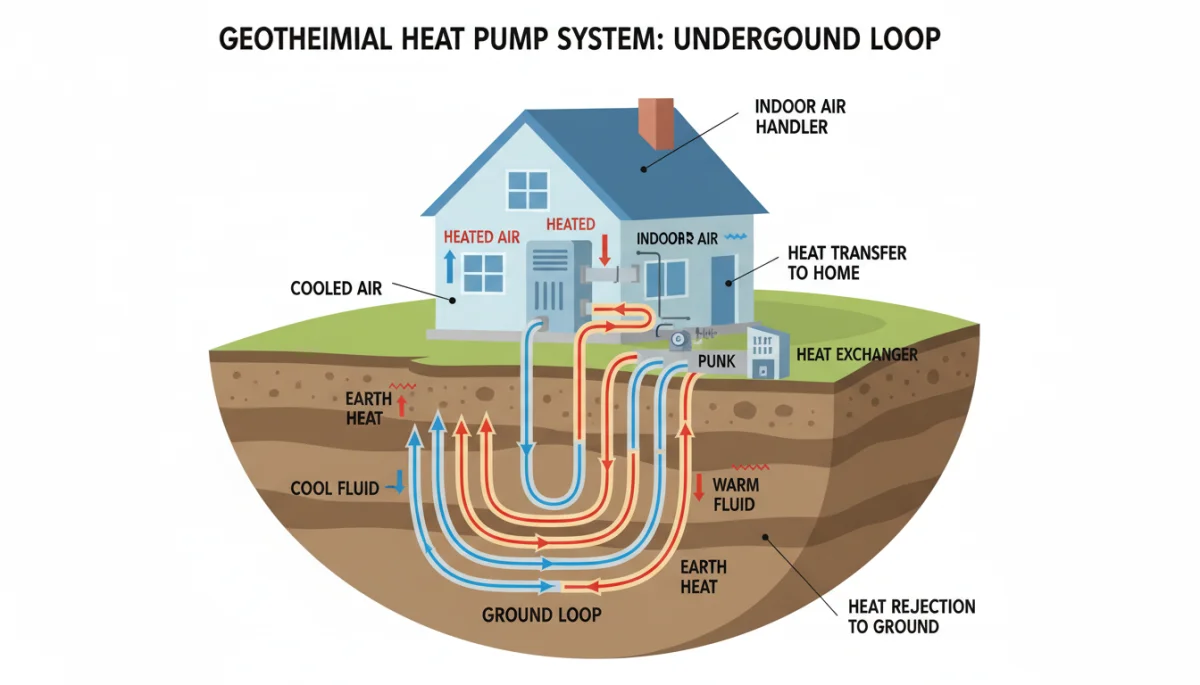
This inherent stability is what makes geothermal systems incredibly efficient. During winter, the system extracts heat from the ground and transfers it into your home. In summer, the process reverses: heat is removed from your home and deposited into the cooler ground. This heat exchange process is far more efficient than generating heat from scratch or rejecting it into hot ambient air, leading to significant energy savings and reduced utility bills.
How Geothermal Systems Work
The core components of a geothermal system include a ground loop, a heat pump unit, and an air delivery system. The ground loop consists of pipes buried in the ground, either horizontally or vertically. A fluid, usually a mixture of water and antifreeze, circulates through these pipes, absorbing or dissipating heat. This fluid then travels to the heat pump unit inside your home, where heat is extracted or rejected, and then distributed throughout your home via ductwork.
- Ground Loop: The underground network of pipes that facilitates heat exchange with the earth.
- Heat Pump Unit: The indoor component that compresses and expands refrigerant to transfer heat between the loop and your home’s air distribution system.
- Air Distribution System: Standard ductwork used to circulate conditioned air throughout the house, similar to traditional HVAC systems.
The efficiency of a geothermal system is measured by its Coefficient of Performance (COP) for heating and Energy Efficiency Ratio (EER) for cooling. Geothermal systems typically boast COPs of 3.0-5.0 and EERs of 13-20, meaning they can deliver 3 to 5 units of heat energy for every unit of electrical energy consumed, making them far more efficient than conventional heating and cooling technologies.
Initial Investment: Costs and Considerations
One of the primary considerations for homeowners evaluating geothermal heating is the upfront cost. Geothermal systems generally have a higher initial installation cost compared to traditional HVAC systems. This is largely due to the excavation and installation of the ground loop, which can be a significant undertaking. However, it is crucial to view this as a long-term investment rather than an immediate expense.
Installation costs can vary widely depending on several factors, including the size of your home, the geology of your property, the type of ground loop system chosen (horizontal, vertical, or pond/lake), and local labor rates. For an average-sized home in the United States, the total installation cost for a geothermal system can range from $20,000 to $45,000 or more. This figure encompasses the ground loop, the heat pump unit, and the indoor distribution system.
Factors Influencing Installation Costs
The type of ground loop system is a major cost driver. Horizontal loops are generally less expensive to install if sufficient land is available, as they require shallower trenches. Vertical loops, on the other hand, are ideal for smaller properties but involve deeper drilling, which can increase costs. Open-loop systems, which draw water from a well and discharge it back into another well or surface water body, can be less expensive to install but require access to an adequate water source and proper water quality.
- Property Size: Larger properties may accommodate less expensive horizontal loops.
- Soil Conditions: Rocky terrain or high water tables can increase drilling costs for vertical loops.
- System Capacity: Larger homes require more powerful heat pumps and larger ground loops, impacting cost.
- Local Regulations: Permitting and specific installation requirements can add to the overall expense.
While the initial outlay might seem substantial, it’s important to remember that this investment sets the stage for decades of reduced energy bills and potential financial incentives. Many homeowners find that the long-term savings quickly offset the higher upfront costs, making geothermal a financially sound decision over the lifespan of the system.
Long-Term Savings: A Closer Look at Operational Costs
The real financial appeal of geothermal heating systems lies in their remarkably low operational costs. Because these systems are incredibly efficient, they consume significantly less electricity than conventional heating and cooling units. This translates directly into substantial savings on your monthly utility bills, which can accumulate to thousands of dollars over the system’s lifespan.
On average, homeowners can expect to save 30% to 70% on their heating and 20% to 50% on their cooling costs compared to traditional HVAC systems. These savings are particularly pronounced in regions with extreme heating and cooling demands, where the stable ground temperature provides a consistent advantage. The exact savings will depend on factors such as your home’s insulation, your local climate, electricity rates, and your personal energy consumption habits.
Calculating Your Potential Savings
To estimate your potential savings, consider your current energy consumption and local electricity prices. Geothermal systems typically have a payback period ranging from 5 to 10 years, meaning that within this timeframe, the energy savings will have recuperated the initial higher installation cost. After the payback period, the savings essentially become pure profit, continuously reducing your household’s operating expenses.
- Reduced Energy Bills: Geothermal systems can lower heating costs by 30-70% and cooling costs by 20-50%.
- Stable Operating Costs: Less susceptible to fluctuations in fossil fuel prices, offering predictable energy expenses.
- Hot Water Savings: Many systems can provide a portion of your hot water needs, further reducing utility costs.
Beyond the direct energy savings, geothermal systems also offer lower maintenance costs. With most of the equipment located indoors and the ground loop buried, components are protected from harsh weather, leading to a longer lifespan and fewer repairs compared to outdoor conventional units. This longevity and reliability contribute further to the system’s overall cost-effectiveness.
Environmental Benefits: A Sustainable Choice
Beyond the financial advantages, choosing geothermal heating represents a significant commitment to environmental sustainability. Geothermal systems are recognized as one of the most environmentally friendly heating and cooling technologies available. They do not rely on fossil fuels, which means they produce no on-site greenhouse gas emissions, a major contributor to climate change.
By significantly reducing your home’s carbon footprint, a geothermal system helps combat air pollution and mitigate global warming. The electricity required to operate the heat pump is minimal compared to the heat energy delivered, and if that electricity comes from renewable sources, the system becomes virtually carbon-neutral. This makes geothermal an excellent choice for eco-conscious homeowners looking to reduce their environmental impact.
Impact on Carbon Footprint
The environmental impact of geothermal systems is substantial. A typical residential geothermal system can reduce carbon dioxide emissions by several tons annually, equivalent to planting hundreds of trees or removing several cars from the road. This positive impact extends beyond just CO2, as geothermal also reduces emissions of sulfur dioxide, nitrogen oxides, and other pollutants associated with burning fossil fuels.
- Zero On-Site Emissions: No combustion means no greenhouse gases or harmful pollutants released at your home.
- Reduced Reliance on Fossil Fuels: Decreases demand for non-renewable energy sources.
- Lower Carbon Footprint: Significantly reduces a household’s contribution to climate change.
Furthermore, geothermal systems use a closed-loop design in many installations, meaning the circulating fluid is contained within the pipes and does not interact with groundwater or soil, ensuring no contamination. The technology is inherently safe and clean, providing peace of mind alongside comfortable indoor temperatures. Embracing geothermal heating is a tangible step towards a more sustainable future for your home and the planet.
Government Incentives and Rebates
To encourage the adoption of energy-efficient technologies like geothermal heating, both federal and state governments in the United States offer various incentives and rebates. These financial aids can significantly reduce the upfront cost of installation, making geothermal systems more accessible and accelerating their payback period. Staying informed about these programs is crucial for maximizing your investment.
The most prominent federal incentive is the Residential Clean Energy Credit, which allows homeowners to claim a tax credit for a percentage of the cost of new, qualified clean energy property for their home, including geothermal heat pumps. This credit has been extended and enhanced, offering substantial savings. The percentage of the credit can vary, so it’s important to check the latest IRS guidelines or consult with a tax professional.
State and Local Programs
Beyond federal incentives, many states and local municipalities offer their own programs to promote renewable energy. These can include additional tax credits, grants, low-interest loans, or direct rebates from utility companies. These programs are often designed to address specific regional energy goals and can vary significantly from one location to another. It is advisable to research what is available in your specific area.
- Federal Tax Credits: Significant tax credits available for geothermal system installation, reducing overall cost.
- State and Local Rebates: Additional financial incentives from state governments, utility companies, and local authorities.
- Low-Interest Loans: Some programs offer favorable financing options to help cover the initial investment.
Combining federal and state incentives can dramatically lower the net cost of a geothermal system, making it an even more attractive investment. These financial aids underscore the broader societal recognition of geothermal’s benefits and its role in a sustainable energy future. Homeowners should always verify eligibility and application procedures for any incentive programs before making purchasing decisions.
Maintenance, Longevity, and Resale Value
When evaluating any home system, its long-term reliability and impact on property value are critical. Geothermal heating systems excel in both these areas, offering exceptional longevity and requiring minimal maintenance. This contributes significantly to their overall cost-effectiveness and makes them an attractive feature for potential homebuyers.
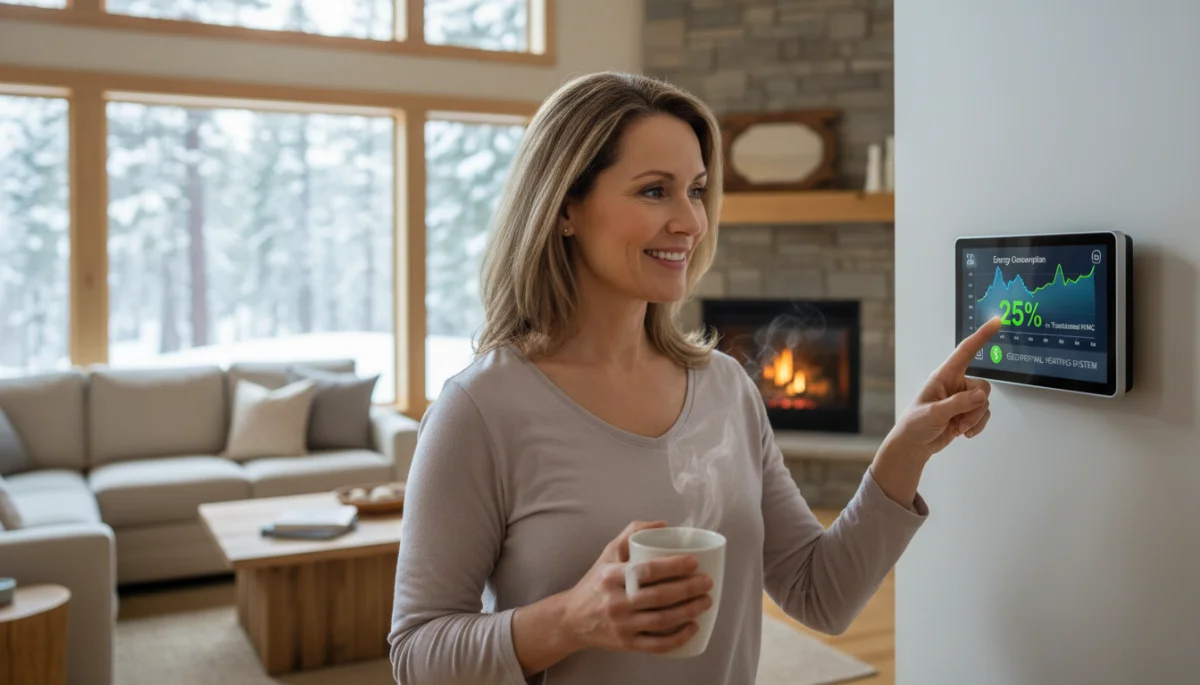
The indoor components of a geothermal system, such as the heat pump, typically last 20-25 years, while the underground loop system can last 50 years or more, often with warranties extending for decades. This is considerably longer than conventional HVAC systems, which usually require replacement every 10-15 years. The extended lifespan means fewer replacement costs over the home’s ownership period.
Minimal Maintenance Requirements
Geothermal systems require very little maintenance compared to traditional furnaces or air conditioners. Since the ground loop is buried, it is protected from weather extremes and vandalism. The indoor unit typically only requires annual filter changes and routine checks, similar to a conventional furnace. There are no outdoor condensing units exposed to the elements, reducing wear and tear.
- Extended Lifespan: Ground loops last 50+ years; indoor units 20-25 years.
- Low Maintenance: Annual filter changes and routine checks are usually sufficient.
- Reliability: Protected components lead to fewer breakdowns and repair costs.
Beyond the operational benefits, installing a geothermal system can enhance your home’s resale value. As energy efficiency and environmental consciousness become increasingly important to homebuyers, a geothermal system is a significant selling point. It demonstrates a commitment to sustainability and offers the promise of lower utility bills for the new owners, making your property more appealing in the market. This added value further solidifies geothermal as a wise long-term investment.
Comparing Geothermal to Traditional Systems
To fully appreciate the cost-benefit analysis of geothermal heating, it’s essential to compare it directly with conventional heating and cooling systems. Traditional options, primarily natural gas furnaces and air conditioners, or electric resistance heating and air-source heat pumps, have different upfront costs, operational efficiencies, and environmental impacts that contrast sharply with geothermal technology.
The most common traditional heating systems, such as natural gas furnaces, offer lower initial installation costs than geothermal. However, their operational costs are subject to volatile fossil fuel prices and their efficiency is generally lower, especially for older models. Air-source heat pumps are more efficient than electric resistance heating but are less efficient than geothermal systems because they exchange heat with outdoor air, which fluctuates significantly in temperature, rather than the stable ground.
Efficiency and Cost Differences
Geothermal systems typically achieve efficiencies (COPs) of 300% to 500%, meaning they produce 3 to 5 units of heat for every unit of electricity consumed. In contrast, high-efficiency natural gas furnaces are around 90-98% efficient, and air-source heat pumps can range from 175% to 300% efficient, depending on ambient air temperatures. This disparity in efficiency directly translates to lower monthly utility bills for geothermal users.
- Natural Gas Furnace: Lower upfront cost, higher operational costs due to fuel prices, lower efficiency (90-98%).
- Air-Source Heat Pump: Moderate upfront cost, better efficiency than furnaces (175-300%), but less efficient than geothermal due to air temperature fluctuations.
- Electric Resistance Heating: Lowest upfront cost, highest operational cost, 100% efficient but converts all electricity to heat directly.
The environmental impact is another key differentiator. Geothermal systems produce zero direct emissions, while natural gas furnaces burn fossil fuels, contributing to greenhouse gas emissions and air pollution. While air-source heat pumps are also electric and cleaner than furnaces, their efficiency drops in extreme temperatures, potentially requiring supplemental heating sources that may be less environmentally friendly. Ultimately, geothermal offers a superior balance of efficiency, environmental responsibility, and long-term cost savings, making it a powerful alternative to traditional options.
| Key Aspect | Brief Description |
|---|---|
| Initial Investment | Higher upfront cost ($20k-$45k) due to ground loop installation. |
| Operational Savings | 30-70% savings on heating, 20-50% on cooling; payback 5-10 years. |
| Environmental Impact | Zero on-site emissions, significant reduction in carbon footprint. |
| Government Incentives | Federal tax credits and state/local rebates significantly reduce net cost. |
Frequently Asked Questions About Geothermal Heating
Geothermal systems are renowned for their longevity. The indoor heat pump unit generally lasts 20-25 years, while the buried ground loop system can function effectively for 50 years or more, often exceeding the lifespan of the home itself with minimal degradation.
Homeowners often see substantial savings, typically ranging from 30% to 70% on heating costs and 20% to 50% on cooling costs compared to conventional systems. Actual savings depend on factors like home insulation, climate, and local energy rates.
Yes, significant incentives exist. The federal Residential Clean Energy Credit offers a tax credit for a percentage of the installation cost. Many states and local utilities also provide additional rebates, grants, or low-interest loans to encourage adoption.
Geothermal systems can be installed in most homes, new or existing, and on various property sizes. The primary consideration is sufficient space for the ground loop installation, which can be horizontal (larger land) or vertical (smaller land, deeper drilling).
Geothermal systems are low-maintenance. The buried ground loop requires virtually no attention. The indoor heat pump unit typically only needs annual filter changes and routine inspections, similar to traditional HVAC systems, ensuring long-term reliability.
Conclusion
In conclusion, a comprehensive cost-benefit analysis of geothermal heating for your home reveals it to be a superior long-term investment for homeowners in the United States. While the initial installation cost is higher than traditional HVAC systems, the significant operational savings, substantial environmental benefits, and available government incentives create a compelling financial and ecological case. Geothermal systems offer unparalleled efficiency, remarkable longevity, and minimal maintenance, leading to a comfortable home environment and a reduced carbon footprint. As energy costs continue to fluctuate and environmental concerns grow, embracing geothermal technology is not just a smart financial decision but also a responsible choice for a sustainable future.
