Grid Modernization Efforts and Your Home Utilities
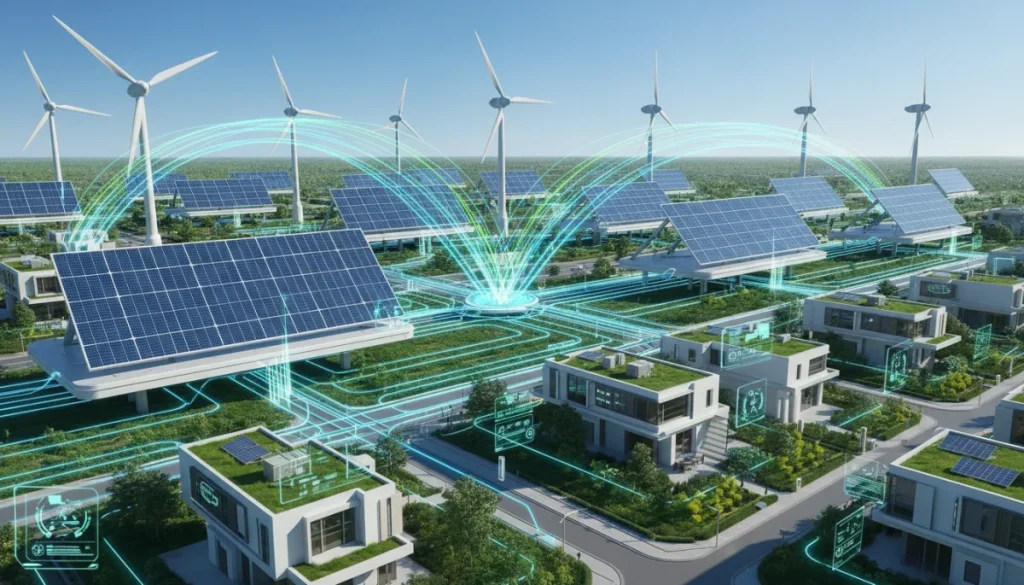
Grid modernization efforts are fundamentally reshaping how electricity is generated, transmitted, and consumed, directly influencing the reliability, cost, and environmental impact of your home utilities.
The landscape of energy delivery is undergoing a profound transformation. As technology advances and environmental concerns grow, the traditional electrical grid is evolving into a more intelligent, resilient, and sustainable system. These grid modernization efforts are not abstract concepts confined to power plants and utility companies; they are directly impacting your home utilities, influencing everything from your monthly bill to the reliability of your power supply. Understanding this evolution is crucial for every homeowner in the United States.
Understanding the Traditional Grid Versus the Modern Grid
To truly appreciate the significance of grid modernization, it is essential to first grasp the differences between the legacy electrical infrastructure and the emerging smart grid. The traditional grid, largely developed in the 20th century, was designed for a one-way flow of electricity from large, centralized power plants to consumers.
This model, while robust for its time, faces significant limitations in the 21st century. It struggles with integrating intermittent renewable energy sources, lacks real-time data for efficient management, and is vulnerable to disruptions.
The Limitations of the Legacy System
The traditional grid operates with a hierarchical structure, meaning power flows from a few large generators to many smaller consumers. This setup makes it challenging to adapt to modern energy demands and environmental goals.
- Centralized Generation: Relies heavily on large fossil fuel power plants, contributing to emissions.
- One-Way Power Flow: Designed for power to move only from generation to consumption, limiting integration of distributed energy.
- Limited Communication: Lacks real-time data on consumption and grid conditions, leading to inefficiencies.
- Vulnerability: Susceptible to widespread outages from natural disasters or cyberattacks due to its centralized nature.
The Vision of a Modern, Smart Grid
In contrast, a modern smart grid incorporates advanced digital technologies, two-way communication, and distributed energy resources. It is designed to be more flexible, efficient, and resilient, fundamentally altering how your home utilities interact with the broader energy system.
This new paradigm allows for better management of energy supply and demand, leading to reduced waste and improved reliability. It also empowers consumers with more control over their energy usage.
The shift from a traditional, analog system to a digital, interconnected smart grid represents a monumental leap forward in energy management. It promises a future where power is not just delivered, but intelligently managed and optimized for the benefit of both the environment and the consumer.
Key Technologies Driving Grid Modernization
The transformation of our electrical infrastructure into a smart grid is powered by a suite of innovative technologies. These advancements are not merely incremental improvements but represent a fundamental rethinking of how energy is managed and distributed. Understanding these key technologies is crucial to comprehending the future of your home utilities.
These technologies work in concert to create a more responsive, efficient, and resilient energy system, moving away from the static model of the past.
Smart Meters and Advanced Metering Infrastructure (AMI)
Perhaps the most visible aspect of grid modernization for many homeowners is the deployment of smart meters. These devices replace traditional analog meters, offering a wealth of new capabilities.
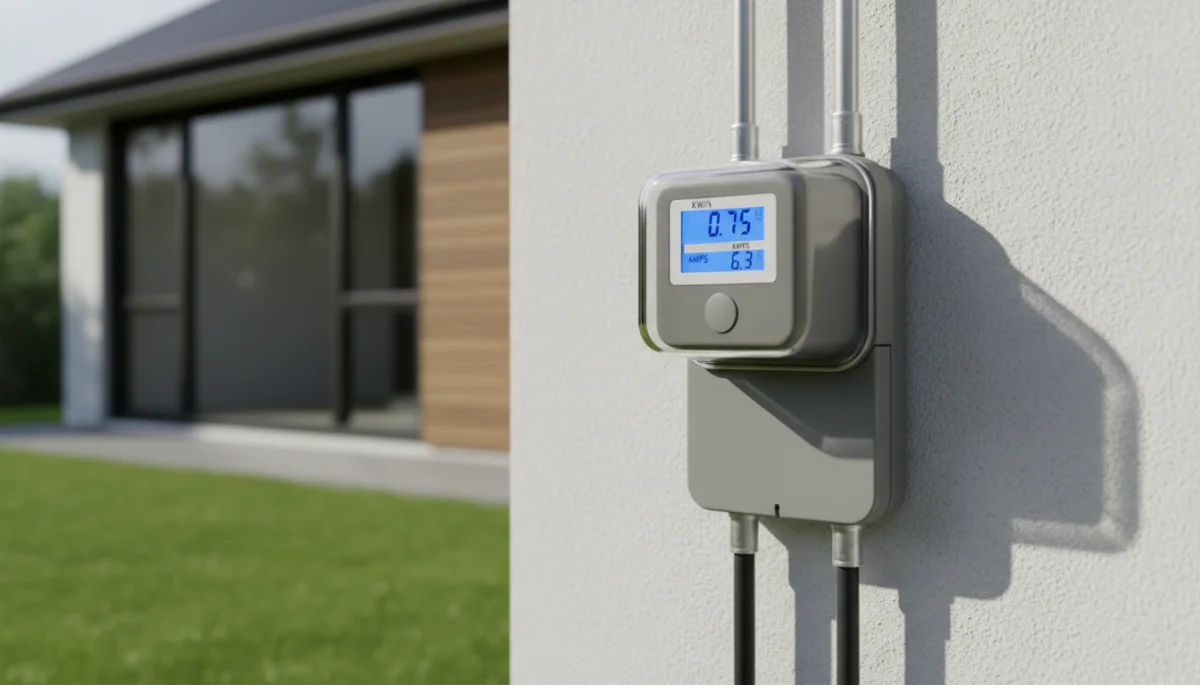
Unlike old meters that only recorded total consumption, smart meters provide detailed, real-time data on energy usage. This information is invaluable for both utilities and consumers.
- Real-time Data: Allows utilities to monitor consumption patterns and identify issues quickly.
- Remote Management: Enables remote meter reading, connection, and disconnection, reducing operational costs.
- Dynamic Pricing: Facilitates time-of-use rates, encouraging consumers to shift energy use to off-peak hours.
- Outage Detection: Helps utilities pinpoint outages more rapidly, leading to faster restoration times.
Distributed Energy Resources (DERs)
DERs are smaller-scale energy sources located closer to the point of consumption, such as rooftop solar panels, home battery storage, and electric vehicles. The modern grid is designed to seamlessly integrate these diverse resources.
This integration transforms consumers into “prosumers” – both producers and consumers of energy. It decentralizes power generation, enhancing grid resilience and promoting renewable energy adoption.
Advanced Sensors and Automation
Throughout the grid, advanced sensors and automated systems are being deployed to monitor grid conditions in real-time. These devices provide critical data on voltage, current, and temperature, enabling proactive management.
Automation allows the grid to respond instantaneously to changes, rerouting power around faults or adjusting supply to meet demand. This reduces human intervention and improves overall grid stability.
These technologies collectively create a dynamic and interconnected system. They move beyond simple electricity delivery to intelligent energy management, providing a foundation for a more sustainable and reliable energy future for your home utilities.
Benefits of Grid Modernization for Home Utilities
The extensive efforts to modernize the electrical grid are not just about technological upgrades for utility companies; they translate into tangible benefits for every homeowner. These advantages range from enhanced reliability to potential cost savings and a reduced environmental footprint, directly impacting your home utilities experience.
The overarching goal is to create a more efficient, resilient, and consumer-friendly energy ecosystem.
Enhanced Reliability and Resilience
One of the primary benefits of a modernized grid is its improved ability to withstand and recover from disruptions. With advanced sensors and automation, utilities can detect and isolate faults more quickly, preventing widespread outages.
Furthermore, the integration of distributed energy resources means that localized power generation can keep critical services running even if the main grid is down. This translates to fewer and shorter power outages for your home.
Potential for Cost Savings
While the initial investment in grid modernization is substantial, many aspects are designed to lead to long-term cost savings for consumers. Smart meters, for instance, enable time-of-use pricing, allowing homeowners to reduce their bills by shifting energy-intensive activities to off-peak hours when electricity is cheaper.
Improved efficiency across the grid also means less wasted energy, which can contribute to stable or even reduced utility rates over time. Demand response programs also offer incentives for consumers to reduce usage during peak demand.
Integration of Renewable Energy
A modern grid is essential for effectively integrating renewable energy sources like solar and wind power. The traditional grid struggled with the intermittent nature of these sources. However, smart grid technologies provide the flexibility and control needed to balance supply and demand with a higher penetration of renewables.
This shift contributes to a cleaner energy mix, reducing reliance on fossil fuels and lowering your home’s carbon footprint, aligning with broader environmental goals.
Empowered Consumers and Energy Management
Grid modernization empowers consumers with more information and control over their energy usage. Smart meters provide detailed data, which, when coupled with smart home devices, allows homeowners to monitor and manage their consumption more effectively. This leads to informed decisions about energy efficiency upgrades and daily habits.
The benefits of grid modernization are multifaceted, promising a future where your home utilities are not only more reliable and affordable but also more environmentally friendly and responsive to your needs.
Challenges and Considerations for Homeowners
While the promise of grid modernization is significant, its implementation also presents several challenges and considerations that homeowners should be aware of. Navigating these aspects is key to fully realizing the benefits and addressing potential drawbacks related to your home utilities.
These challenges often revolve around privacy, cost, and the need for consumer education and engagement.
Data Privacy and Cybersecurity Concerns
The increased connectivity and data collection inherent in a smart grid raise legitimate concerns about data privacy and cybersecurity. Smart meters collect detailed information about energy usage patterns, which could potentially reveal personal habits.
Utilities and regulators are working to implement robust security measures and privacy policies, but homeowners should remain informed about how their data is being collected, used, and protected. Strong cybersecurity protocols are vital to prevent malicious attacks on the grid infrastructure.
Initial Costs and Infrastructure Upgrades
Modernizing the grid requires substantial investment in new technologies and infrastructure. While these costs are often spread across utility ratepayers, they can manifest as slight increases in utility bills or other charges. Homeowners might also face costs for compatible smart home devices or energy management systems to fully leverage smart grid capabilities.
It is important for consumers to understand the long-term benefits versus the immediate financial implications of these upgrades.
Complexity and Consumer Engagement
The advanced nature of smart grid technologies can be complex for the average consumer to understand. To maximize the benefits, homeowners need to be educated on how to interpret smart meter data, participate in demand response programs, and utilize smart home devices effectively.
Utilities have a critical role in providing clear information and user-friendly interfaces to encourage active consumer engagement. Without proper engagement, many potential benefits for home utilities might go unrealized.
Addressing these challenges requires a collaborative effort from utilities, regulators, and consumers. By being informed and proactive, homeowners can help shape a secure and beneficial future for their energy consumption.
How Home Utilities are Adapting to the Modern Grid
Utility companies across the United States are actively adapting their operations and services to align with the evolving modern grid. This adaptation involves significant investments in technology, changes in operational strategies, and a renewed focus on customer engagement. The goal is to ensure a smooth transition and maximize the benefits of grid modernization for both the utility and its customers.
These adaptations are fundamentally reshaping the relationship between utilities and the homes they serve.
Investment in Smart Infrastructure
Utilities are investing billions of dollars in deploying smart meters, upgrading transmission and distribution lines with advanced sensors, and implementing sophisticated control systems. This infrastructure forms the backbone of the modern grid, enabling real-time monitoring and automated responses.
These investments are crucial for improving reliability, integrating renewable energy, and facilitating new services for home utilities.
Developing New Customer Programs
With smart grid capabilities, utilities are rolling out innovative programs designed to empower customers and promote energy efficiency. These often include:
- Time-of-Use (TOU) Rates: Encouraging customers to shift electricity consumption to off-peak hours.
- Demand Response Programs: Offering incentives for customers to reduce energy use during periods of high demand.
- Energy Management Tools: Providing online portals and mobile apps that allow customers to track their energy usage in detail.
- Distributed Generation Support: Facilitating the interconnection of rooftop solar and home battery systems.
Enhanced Outage Management
The modern grid significantly improves how utilities manage and respond to power outages. Smart meters and grid sensors can automatically detect the precise location of a fault, often before customers even report it. This allows utilities to deploy crews more efficiently and restore power faster.
Automated switching capabilities can also reroute power to bypass damaged sections, minimizing the number of affected customers. This proactive approach leads to a more resilient experience for your home utilities.
The ongoing adaptation by utilities is critical to realizing the full potential of grid modernization. By embracing new technologies and customer-centric approaches, they are paving the way for a more efficient, reliable, and sustainable energy future.
The Future of Home Energy Management with a Modern Grid
The ongoing evolution of the electrical grid promises a future where home energy management is more sophisticated, personalized, and integrated than ever before. As grid modernization efforts continue, homeowners will gain unprecedented control and insight into their energy consumption, transforming how they interact with their home utilities.
This future envisions a dynamic interplay between smart homes and an intelligent grid, optimizing energy use for efficiency and sustainability.
Personalized Energy Insights and Control
With real-time data from smart meters and advanced analytics, homeowners will receive highly personalized insights into their energy usage patterns. This goes beyond just knowing how much electricity you’re using; it includes understanding which appliances consume the most, when peak usage occurs, and how weather impacts consumption.
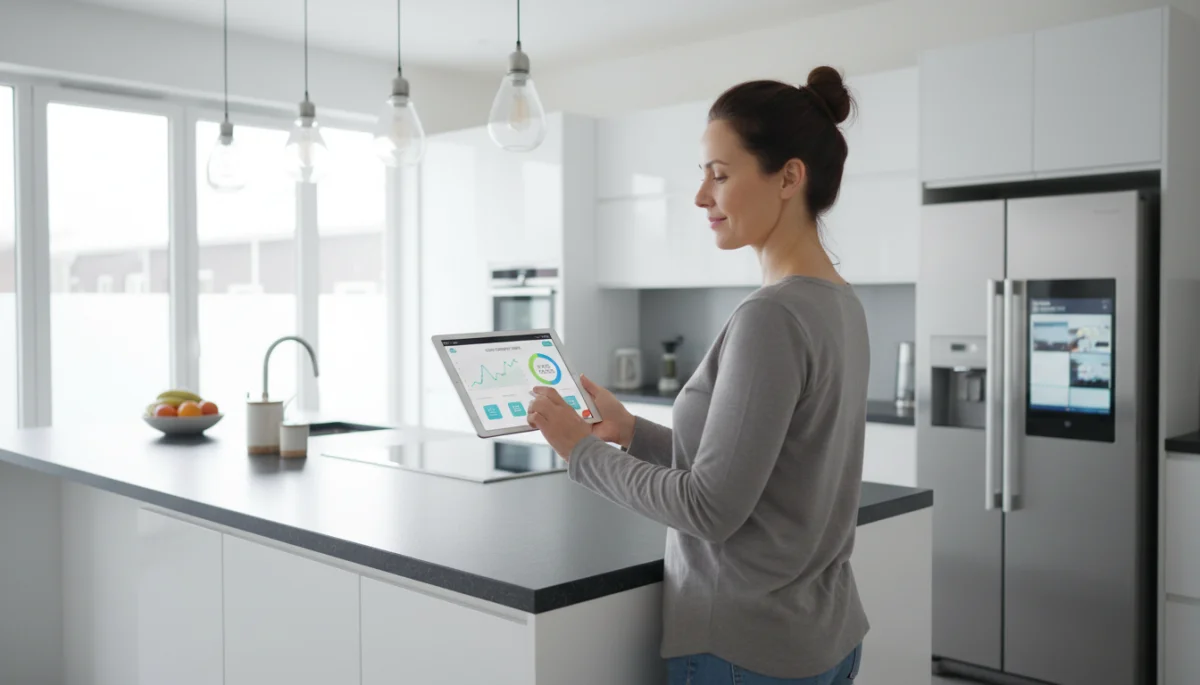
These insights will empower homeowners to make informed decisions, whether it’s adjusting thermostat settings, scheduling appliance use, or identifying areas for energy efficiency improvements. Smart home devices will seamlessly integrate with these systems, allowing for automated energy optimization.
Integration with Smart Home Technologies
The modern grid will foster deeper integration with smart home technologies, creating a truly interconnected ecosystem. Your smart thermostat might automatically adjust based on grid signals to reduce demand during peak hours, or your electric vehicle could intelligently charge when renewable energy is abundant and prices are low.
Home battery storage systems will become more common, allowing homeowners to store excess solar energy or cheap off-peak power for use during expensive peak times or outages. This level of automation and connectivity will simplify energy management for residents.
Active Participation in Energy Markets
In the most advanced stages of grid modernization, homeowners with distributed energy resources (like solar panels and battery storage) could actively participate in local energy markets. They might be able to sell excess power back to the grid at favorable rates or provide grid services, such as demand response, earning financial incentives.
This transforms homeowners from passive consumers into active participants in the energy ecosystem, contributing to grid stability and deriving economic benefits. This paradigm shift will redefine the role of your home utilities.
The future of home energy management with a modern grid is one of greater intelligence, autonomy, and sustainability. It promises a more efficient, cost-effective, and environmentally friendly way to power our lives, driven by continuous innovation in grid modernization efforts.
Consumer Action and Engagement in Grid Modernization
As grid modernization efforts advance, the role of the consumer is becoming increasingly vital. Homeowners are no longer just passive recipients of electricity; they are active participants whose decisions and engagement can significantly influence the success and benefits of the modern grid. Understanding how to engage is key to maximizing the advantages for your home utilities.
Active participation ensures that the grid evolves in a way that meets consumer needs and preferences.
Understanding Your Energy Usage
The first step for any homeowner is to leverage the data provided by smart meters and utility portals. By regularly reviewing energy consumption patterns, you can identify opportunities to reduce waste and optimize usage. Many utilities offer online dashboards or mobile apps that visualize this data, making it easier to understand.
Knowledge of your energy habits is the foundation for making informed decisions about efficiency and cost savings.
Embracing Smart Home Devices and Energy Efficiency
Investing in smart home devices that integrate with grid signals can significantly enhance your home energy management. Smart thermostats, smart plugs, and energy-efficient appliances can automatically adjust their operation to align with lower electricity prices or periods of high renewable energy availability.
Beyond smart devices, traditional energy efficiency measures, such as improved insulation, LED lighting, and efficient HVAC systems, remain critical for reducing overall demand and supporting grid stability.
Participating in Utility Programs
Many utilities offer programs specifically designed to engage consumers in grid modernization. These might include:
- Demand Response: Voluntary programs that provide incentives for reducing energy consumption during peak demand times.
- Time-of-Use Rates: Opting into pricing plans that charge different rates based on the time of day, encouraging off-peak usage.
- Renewable Energy Incentives: Programs for installing rooftop solar, home battery storage, or participating in community solar projects.
- Energy Audits: Often subsidized or free, these help identify specific areas for energy savings in your home.
Active participation in these programs not only helps you save money and reduce your environmental impact but also contributes to the overall stability and efficiency of the modernized grid. Your engagement is a powerful force in shaping the future of your home utilities.
| Key Aspect | Brief Description |
|---|---|
| Smart Meters | Provide real-time energy usage data, enabling better monitoring and dynamic pricing for consumers. |
| Renewable Integration | Modern grids seamlessly incorporate solar and wind power, promoting cleaner energy and reducing carbon footprint. |
| Enhanced Reliability | Advanced sensors and automation lead to faster outage detection and restoration, improving service for homes. |
| Consumer Empowerment | Homeowners gain tools and data to manage energy consumption, participate in programs, and potentially save on bills. |
Frequently Asked Questions About Grid Modernization
Grid modernization refers to upgrading the traditional electrical grid with advanced digital technologies. This includes smart meters, sensors, automation, and two-way communication to create a more reliable, efficient, and secure energy delivery system, benefiting home utilities.
Smart meters provide real-time data on your energy consumption, allowing you to monitor usage and potentially save money through time-of-use rates. They also help utilities detect outages faster and improve overall service reliability for your home.
While initial infrastructure investments may factor into rates, grid modernization aims for long-term cost savings through increased efficiency and reduced waste. Consumers can also save by participating in demand response programs and optimizing energy use with smart technologies.
Renewable energy sources like solar and wind are central to grid modernization. The smart grid is designed to seamlessly integrate these intermittent sources, balancing supply and demand to create a cleaner, more sustainable energy mix for home utilities.
You can participate by understanding your energy usage, adopting energy-efficient practices, installing smart home devices, and engaging in utility programs like time-of-use rates or demand response. These actions contribute to a more efficient and resilient grid.
Conclusion
The journey towards a modernized electrical grid is a critical undertaking that promises to redefine our relationship with energy. For homeowners, understanding these grid modernization efforts and their impact on home utilities is no longer optional but essential. From the widespread adoption of smart meters to the seamless integration of renewable energy and the development of sophisticated energy management tools, the benefits are clear: a more reliable, efficient, and sustainable power supply. While challenges such as data privacy and initial costs exist, active consumer engagement and continuous technological advancement will ensure that the modernized grid ultimately empowers individuals, fosters environmental stewardship, and secures a resilient energy future for all.
