iMessage Updates: Cross-Platform Communication Impact Review
Recent iMessage updates are significantly impacting cross-platform communication, introducing features that aim to improve interoperability and user experience between iOS and Android devices, reshaping the digital messaging landscape for millions.
In an increasingly interconnected world, the way we communicate across different mobile operating systems has become a central point of discussion. This article delves into iMessage cross-platform communication, exploring how Apple’s recent updates are influencing the interaction between iOS and Android users. Are these changes truly fostering a more unified messaging experience, or do challenges still persist?
the evolving landscape of mobile messaging
The realm of mobile messaging has been in a constant state of flux, driven by technological advancements and evolving user expectations. For years, the stark visual difference between iMessage’s blue bubbles and standard SMS’s green bubbles has symbolized a communication divide. This distinction often led to friction, particularly for users communicating frequently between Apple and Android devices. The experience was not just about color; it encompassed a range of features, or lack thereof, that defined the quality of cross-platform interactions.
Historically, iMessage offered a rich set of features exclusive to its ecosystem, including read receipts, typing indicators, high-quality media sharing, and group chat functionalities that simply didn’t translate seamlessly to Android. This disparity created a perception of a ‘superior’ messaging experience within the Apple ecosystem, often leaving Android users feeling like second-class citizens in group chats. Understanding these historical nuances is crucial to appreciating the significance of recent updates and their potential to redefine the messaging paradigm.
the blue bubble phenomenon
- Feature Disparity: iMessage’s exclusive features like end-to-end encryption, Animoji, and rich link previews were absent in SMS.
- Social Stigma: The ‘green bubble’ often carried a social stigma, especially among younger demographics.
- User Experience Divide: Android users in iMessage group chats experienced degraded functionality, such as broken replies and media compression.
The pressure for Apple to address these cross-platform communication issues has mounted over time, fueled by consumer demand and regulatory scrutiny. The notion that a basic communication tool should create such a divide felt increasingly anachronistic in an era of universal connectivity. Consequently, Apple has begun to roll out changes aimed at bridging this gap, signaling a potential shift in their long-standing messaging strategy. These initial steps are highly anticipated and are under close examination by users on both sides of the divide.
Ultimately, the goal of these changes is to foster a more inclusive and functional messaging environment, reducing the friction that has characterized cross-platform interactions for so long. Whether these updates fully achieve that goal remains to be seen, but they undoubtedly mark a significant moment in the evolution of digital communication. The implications extend beyond mere convenience, touching upon aspects of digital equality and accessibility.
apple’s shift towards rcs messaging
One of the most significant developments in Apple’s approach to cross-platform communication is its announced adoption of Rich Communication Services (RCS) messaging. This move represents a substantial departure from their previous stance, where they largely resisted integrating with universal messaging standards beyond SMS/MMS. RCS is poised to bring a host of modern messaging features, previously exclusive to iMessage, to the conversations between iOS and Android devices.
The transition to RCS is not merely a technical upgrade; it’s a strategic decision that acknowledges the growing demand for seamless interoperability. For years, Android users have benefited from RCS features within their native messaging apps, offering a more iMessage-like experience when communicating with other Android users. Now, with Apple’s embrace, these enhancements are set to extend to iOS-Android interactions, promising a more unified and feature-rich experience for everyone involved.
what rcs brings to the table
- Read Receipts: Users will be able to see when their messages have been read by recipients on other platforms.
- Typing Indicators: Real-time indicators will show when someone is typing a response.
- High-Quality Media: Sharing photos and videos will retain higher quality, avoiding the pixelation common with MMS.
- Enhanced Group Chats: More reliable group messaging, including the ability to leave conversations and better media handling.
This integration means that many of the frustrations associated with green bubble chats—such as blurry photos, inability to see reactions, and unreliable group messages—are expected to diminish. The experience of communicating between an iPhone and an Android device will become considerably more robust, mirroring many of the functionalities that iMessage users have long enjoyed. This change is particularly impactful for users in the United States, where iMessage dominance has often dictated social communication norms.
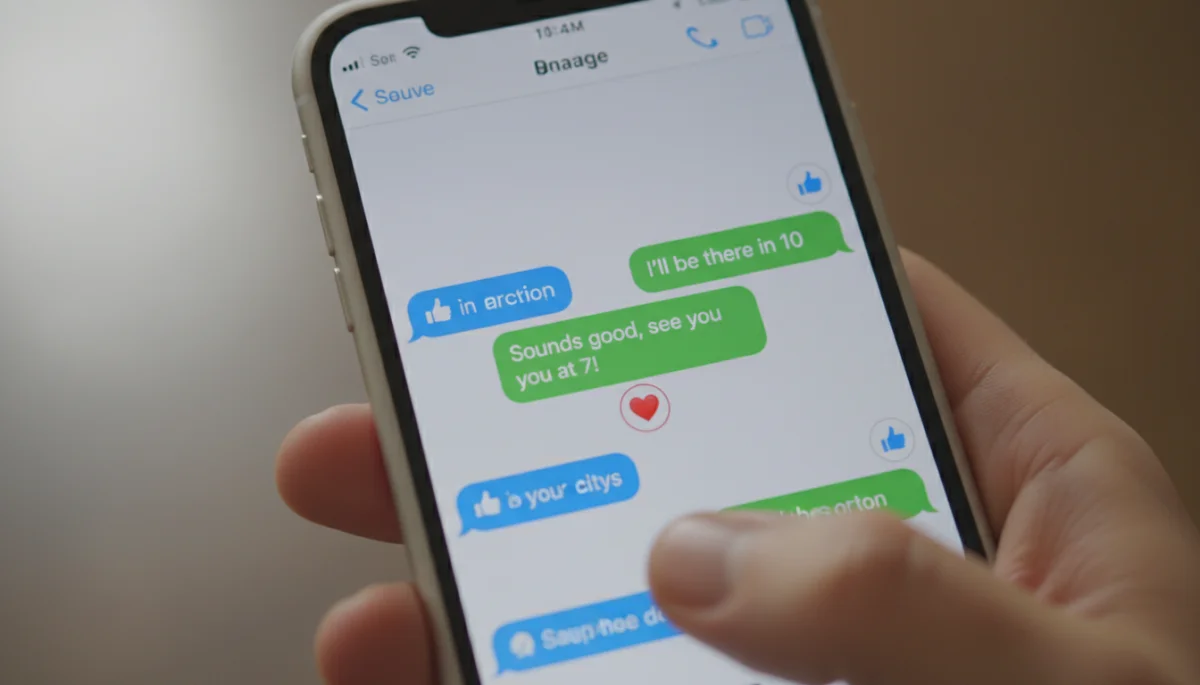
However, it’s important to note that while RCS significantly improves the cross-platform experience, it does not entirely replicate the full suite of iMessage features. End-to-end encryption, for instance, is a complex area. While RCS supports encryption, its implementation can vary. Apple has stated its intention to work with the GSMA to improve RCS encryption, but it’s not a given that it will be on par with iMessage’s proprietary encryption from day one. This ongoing development will be crucial for users concerned about privacy and security.
In essence, Apple’s adoption of RCS is a monumental step towards dissolving the rigid boundaries of mobile messaging. It signifies a willingness to adapt to industry standards for the benefit of a broader user base, acknowledging that communication should be as seamless as possible, regardless of the device in hand. This strategic move could fundamentally alter how users perceive and engage with cross-platform interactions, reducing the ‘green bubble’ stigma and fostering a more equitable messaging environment.
implications for android users
For Android users, Apple’s embrace of RCS messaging is nothing short of a game-changer. Historically, interacting with iPhone users often meant a frustratingly diminished experience, characterized by low-quality media, broken group chats, and the absence of modern messaging features. These limitations not only affected the practical aspects of communication but also contributed to a feeling of exclusion within social circles heavily reliant on iMessage.
The introduction of RCS will elevate the baseline of communication quality when messaging iPhone users. Android users will finally gain access to features like read receipts, typing indicators, and higher-resolution media sharing, bringing their conversations closer to parity with the iMessage experience. This improvement is expected to reduce friction in mixed-device group chats, making them more functional and enjoyable for everyone involved. No longer will Android users be the ‘odd one out’ with limited capabilities in shared conversations.
enhanced messaging capabilities
- Richer Conversations: Enjoy more dynamic and interactive chats with iPhone users.
- Reduced Frustration: Say goodbye to blurry images and videos when communicating cross-platform.
- Improved Group Dynamics: Participate more fully in group chats, with features like reacting to messages and more stable group management.
Beyond the technical enhancements, there’s a significant social impact for Android users. The ‘green bubble stigma’ has been a real phenomenon, particularly among younger demographics in the US, where iMessage is deeply entrenched. By improving the cross-platform experience, Apple is inadvertently helping to dismantle this social barrier, allowing communication to focus more on content and less on the color of the message bubble. This could lead to more inclusive social interactions and less pressure for individuals to choose a device based on messaging app popularity.
However, it’s important to manage expectations. While RCS significantly upgrades the experience, it does not transform Android messaging into iMessage. Certain proprietary iMessage features, such as iMessage apps, sticker packs, and specific animation effects, will likely remain exclusive to the Apple ecosystem. The goal is interoperability, not identical feature sets. Android users will still be using their native messaging apps (like Google Messages), but those apps will now communicate more richly with iMessage on the other end.
In conclusion, the shift to RCS messaging represents a monumental leap forward for Android users engaging with the Apple ecosystem. It promises to deliver a much-needed upgrade to cross-platform communication, making interactions smoother, richer, and more equitable. This change not only addresses long-standing user frustrations but also contributes to a more unified and less fractured digital communication landscape.
challenges and limitations of the new updates
While Apple’s move to adopt RCS messaging for cross-platform communication is largely welcomed, it’s essential to acknowledge the inherent challenges and limitations that come with such a significant integration. The promise of seamless interoperability is compelling, but the reality of bridging two distinct ecosystems often involves nuances that prevent a perfect replication of functionality. Understanding these hurdles is crucial for setting realistic expectations among users.
One of the primary concerns revolves around end-to-end encryption. iMessage has long touted its robust, proprietary end-to-end encryption, ensuring that only the sender and receiver can read messages. While RCS technically supports encryption, its implementation across different carriers and Android devices can vary. Apple has expressed its commitment to working with the GSMA to enhance RCS encryption, but achieving a unified, iMessage-level security standard for all cross-platform messages will be a complex undertaking. Until then, there might be a perceived security gap compared to native iMessage chats.
potential areas of friction
- Encryption Discrepancies: The level of end-to-end encryption in RCS messages may not initially match iMessage’s proprietary standard.
- Feature Parity: While core features like read receipts and high-quality media will be present, certain iMessage-exclusive functionalities will likely remain.
- Carrier and Device Fragmentation: Consistent RCS implementation can be challenging due to varying carrier and device support on the Android side.
Another limitation is the scope of features. While RCS brings significant improvements, it won’t magically unlock every iMessage-specific feature for Android users. Elements like iMessage apps, sticker packs, certain animation effects, and potentially some advanced group chat controls might remain exclusive to conversations between iOS devices. The goal is to improve the fundamental messaging experience, not to fully merge the two platforms into one identical service. Users should not expect a complete feature-for-feature parity.
Furthermore, the rollout of RCS support will not be instantaneous or universally uniform. It relies on carriers and device manufacturers to fully implement and support the standard, which can lead to fragmentation. While major carriers in the US are generally on board, global adoption and consistent feature sets across all Android devices might take time. This means that some users might experience the benefits earlier or more comprehensively than others, depending on their specific device and service provider.
In summary, while the move towards RCS is a positive step, it’s not a silver bullet that will erase all distinctions between iMessage and Android messaging. Challenges related to encryption, feature parity, and implementation consistency will likely persist, requiring ongoing effort and collaboration from all parties involved. Users should anticipate a significantly improved cross-platform experience, but also understand that some differences will remain as part of the distinct identities of each platform.
the impact on group chats and media sharing
The impact of iMessage’s updates, particularly the adoption of RCS, on group chats and media sharing is perhaps where the most tangible improvements will be felt for cross-platform communication. For years, mixed-device group chats have been a source of frustration, leading to a fragmented and often broken communication experience. The changes are set to revolutionize how iOS and Android users interact in these shared digital spaces.
In the past, when an Android user was included in an iMessage group chat, the entire conversation would often revert to the lowest common denominator: SMS/MMS. This meant a loss of features for everyone, including iPhone users. Messages would be delivered less reliably, media quality would plummet, and advanced functionalities like reactions or replies to specific messages would simply not work. This often led to iPhone users opting to create separate iMessage-only groups, inadvertently excluding their Android-using friends and family.
transforming group dynamics
- Unified Experience: Group chats will function more smoothly, regardless of participants’ device types.
- High-Quality Media: Photos and videos shared in groups will maintain their fidelity, enhancing the visual experience.
- Interactive Features: Features like tapbacks/reactions will work across platforms, making conversations more expressive.
With RCS, these limitations are largely addressed. Group chats involving both iOS and Android users will now benefit from a more consistent and feature-rich experience. High-resolution photos and videos can be shared without significant compression, ensuring that visual content retains its intended quality. Read receipts and typing indicators will also function across platforms within these groups, providing a more dynamic and responsive interaction similar to what iMessage users have grown accustomed to.
The ability to send and receive tapbacks or reactions from Android users is another significant enhancement. Previously, an iPhone user reacting to an Android user’s message would send a separate text message describing the reaction (e.g., ‘Liked “Hello!”‘). With RCS, these reactions will be integrated directly into the message interface, appearing as an overlay on the original message, just as they do within iMessage. This seemingly small change dramatically improves the fluidity and naturalness of cross-platform group conversations, eliminating a long-standing annoyance.
In essence, the updates are designed to make group chats more inclusive and less frustrating for everyone involved. The goal is to ensure that the quality of communication is no longer dictated by the operating system of the least capable device in the group. This fosters a more cohesive social environment, where device choice doesn’t implicitly lead to social exclusion or a degraded communication experience. The improvements in media sharing and interactive features are particularly welcome, making conversations more engaging and visually appealing across the board.
security and privacy considerations
When discussing any messaging updates, especially those impacting cross-platform communication, security and privacy are paramount concerns. Apple has long emphasized its commitment to user privacy, with iMessage’s end-to-end encryption being a cornerstone of its security posture. The integration of RCS introduces new considerations and challenges in maintaining these high standards across different platforms.
iMessage’s proprietary end-to-end encryption ensures that messages sent between Apple devices are secure from interception by third parties, including Apple itself. When communicating with Android users via SMS/MMS, this encryption is absent, making those messages less secure. With the adoption of RCS, the situation becomes more nuanced. RCS supports end-to-end encryption, but its implementation can vary. Google Messages, for example, uses end-to-end encryption for one-on-one RCS chats, but this isn’t a universal standard across all RCS implementations or group chats.
navigating encryption complexities
- Varying RCS Encryption: Not all RCS implementations offer end-to-end encryption by default, especially in group chats.
- Apple’s Commitment: Apple has stated its intention to work with the GSMA to enhance RCS encryption standards.
- User Awareness: Users will need to be aware of the security status of their cross-platform conversations.
Apple has stated that when RCS is adopted, iMessage conversations with Android users will be more secure than traditional SMS/MMS. However, they have also indicated that their proprietary iMessage encryption, which they consider superior, will remain exclusive to conversations between Apple devices. This means that while RCS chats will be an improvement over SMS in terms of security, they might not offer the same level of end-to-end encryption as blue-bubble iMessage chats, at least initially.
This distinction is crucial for users who prioritize the highest level of privacy and security. While the enhanced security of RCS over SMS is a significant step forward, it doesn’t entirely close the security gap with native iMessage. Apple’s involvement in improving RCS encryption standards through the GSMA is a positive sign, suggesting a potential for more robust, universally applied encryption in the future. However, this will require industry-wide collaboration and could take time to fully materialize.
Moreover, privacy extends beyond just encryption to data handling and metadata. While iMessage keeps much of this data on-device and encrypted, the practices for RCS can depend on the specific carrier and messaging app. Users will need to remain vigilant and informed about the privacy policies associated with their chosen messaging services, particularly when engaging in cross-platform conversations. The overall impact on privacy will be a balance between the improved baseline security of RCS and the continued distinct advantages of iMessage’s proprietary framework.
the future of messaging: integration and competition
The recent iMessage updates, particularly the integration of RCS, are not just about improving existing functionalities; they are fundamentally reshaping the future of messaging, influencing both integration strategies and the competitive landscape. Apple’s move signals a broader trend towards more unified communication, while simultaneously intensifying competition in the messaging space.
By adopting RCS, Apple is acknowledging the need for greater interoperability, pushing the industry towards a more standardized and feature-rich cross-platform experience. This could lead to a future where the choice of smartphone operating system has less bearing on the quality and richness of basic text communication. Such integration could empower users, allowing them to choose devices based on overall preference rather than being locked into an ecosystem for messaging parity.
evolving market dynamics
- Reduced Ecosystem Lock-in: Enhanced cross-platform communication may lessen the pressure to choose a phone based on messaging.
- Increased Competition: Messaging apps will need to innovate beyond basic features to differentiate themselves.
- Standardization Push: Apple’s move lends significant weight to RCS as the default next-generation messaging standard.
This shift also presents an interesting dynamic for competition. While Apple is opening up its messaging ecosystem to a degree, iMessage still retains its unique, proprietary features and end-to-end encryption for iOS-to-iOS communication. This means that Apple can continue to differentiate iMessage while offering a much improved, but not identical, experience for cross-platform interactions. The competition will likely shift from basic feature parity to more advanced, ecosystem-specific functionalities and privacy assurances.
Furthermore, the embrace of RCS by a major player like Apple could accelerate its global adoption as the de facto standard for rich messaging. This would put pressure on other messaging platforms and carriers to fully support and enhance their RCS implementations, leading to a more consistent and advanced messaging experience across the board. The ripple effect of Apple’s decision could standardize many aspects of mobile communication that were previously fragmented.
Looking ahead, the emphasis will likely be on continued innovation beyond the core RCS features. Messaging apps will need to offer compelling reasons for users to choose them, whether through unique social features, advanced privacy controls, or integration with other services. The future of messaging appears to be one where a baseline of rich, cross-platform communication is expected, and differentiation comes from added value and ecosystem-specific enhancements. This era promises a more connected and less fragmented digital communication experience for everyone.
| Key Update | Cross-Platform Impact |
|---|---|
| RCS Adoption | Enables modern messaging features (read receipts, typing indicators, high-quality media) between iOS and Android. |
| Enhanced Group Chats | Reduces fragmentation and improves user experience in mixed-device group conversations. |
| Media Quality | Significant improvement in sharing photos and videos without severe compression between platforms. |
| Security & Privacy | RCS offers improved security over SMS, but iMessage’s proprietary encryption remains distinct for iOS-to-iOS. |
frequently asked questions about iMessage updates
No, blue bubbles will remain for iMessage conversations between Apple devices. RCS will primarily affect the appearance and functionality of messages sent between iOS and Android users, which will still be represented by green bubbles but with enhanced features.
RCS will enable features such as read receipts, typing indicators, high-quality photo and video sharing, and improved group chat functionalities like reactions and more reliable message delivery when communicating between iOS and Android devices.
Apple has stated its intention to work with the GSMA to enhance RCS encryption. While RCS supports encryption, its implementation can vary. Messages will be more secure than SMS, but initially, it may not match iMessage’s proprietary end-to-end encryption for iOS-to-iOS chats.
Existing mixed-device group chats will see significant improvements. Android users will experience better media quality, read receipts, typing indicators, and the ability to send and receive reactions, making these group conversations much more seamless and functional for all participants.
Apple announced that RCS support would be coming to iMessage in late 2024. The exact timing of the rollout will depend on software updates and carrier support, so users should keep an eye on their device’s system updates for availability.
conclusion
The recent updates to iMessage, particularly the strategic decision to adopt RCS messaging, mark a pivotal moment in the landscape of cross-platform communication. By enhancing interoperability between iOS and Android devices, Apple is addressing long-standing user frustrations and moving towards a more unified messaging experience. While challenges related to encryption and complete feature parity may persist, the improvements in group chats, media sharing, and overall functionality are set to significantly bridge the communication divide. These changes not only benefit individual users by fostering more inclusive and seamless interactions but also reshape the competitive dynamics of the messaging industry, pushing for greater standardization and innovation. The future of messaging appears brighter, more connected, and less constrained by operating system boundaries.
