Insecure Messaging: Data Breaches & Personal Finance Impact
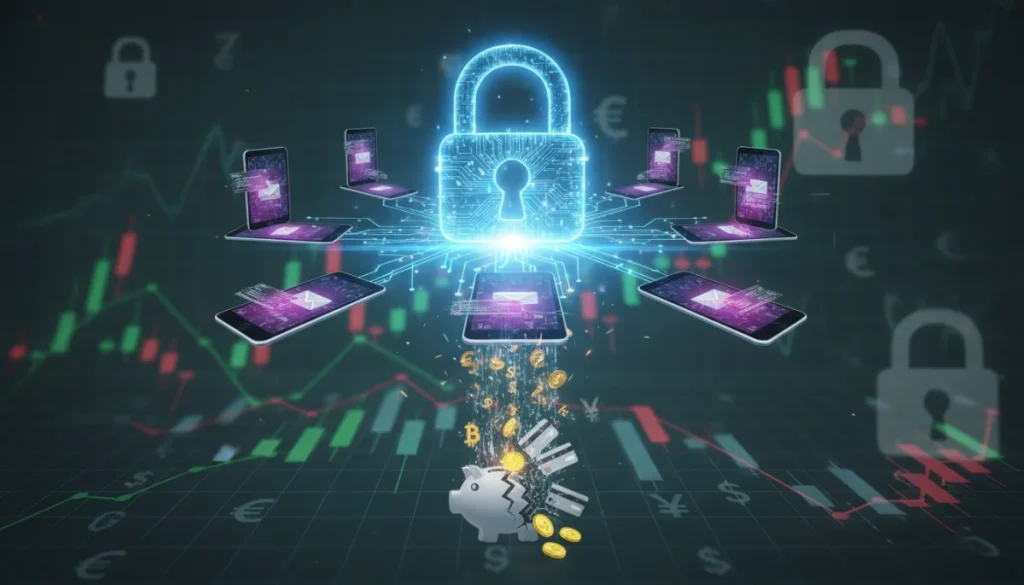
Insecure messaging platforms expose users to significant risks, as data breaches can directly lead to severe financial repercussions, including identity theft and fraudulent activities.
Have you ever considered the hidden dangers lurking within your everyday chats? The Cost of Insecure Messaging: How Data Breaches Can Impact Personal Finances is a topic often overlooked, yet its implications can be devastating. Understanding these risks is crucial in today’s interconnected world, where our digital conversations hold sensitive information that, if compromised, can lead to serious financial woes.
Understanding Insecure Messaging and Data Breaches
Insecure messaging refers to communication methods that lack robust encryption or proper security protocols, making them vulnerable to interception and data breaches. A data breach occurs when unauthorized individuals gain access to sensitive, protected, or confidential data. When these two elements combine, the potential for financial harm to individuals escalates dramatically.
Many popular messaging apps, while convenient, may not offer end-to-end encryption by default or might have vulnerabilities that can be exploited by cybercriminals. This lack of security transforms seemingly innocuous conversations into potential goldmines for malicious actors. The information exchanged, from personal details to financial account numbers, becomes susceptible to theft.
What Makes Messaging Insecure?
Several factors contribute to the insecurity of messaging platforms, making them ripe targets for data breaches. Identifying these weaknesses is the first step toward protecting your personal finances.
- Weak Encryption: Some apps use outdated or easily crackable encryption methods, or only encrypt data in transit, not at rest.
- Vulnerable Servers: Centralized servers storing user data can be compromised, exposing vast amounts of personal information.
- Lack of Multi-Factor Authentication: Without MFA, a simple password breach can grant full access to an account.
- User Error: Phishing scams or inadvertently sharing sensitive information can bypass even strong security measures.
The consequences of such vulnerabilities are far-reaching, extending beyond just privacy concerns to directly impact an individual’s financial stability. Cybercriminals are constantly seeking new avenues to exploit, and insecure messaging apps provide a fertile ground for their activities.
The Direct Financial Fallout of Data Breaches
When insecure messaging leads to a data breach, the financial impact can be immediate and severe. Personal information, once thought safe within private conversations, becomes a weapon used against the victim. This can manifest in various forms, from unauthorized transactions to the complete hijacking of one’s financial identity.
Imagine a scenario where your bank details, shared casually with a family member over an unencrypted chat, fall into the wrong hands. Within hours, your accounts could be drained, or new credit lines opened in your name. The speed and stealth with which these attacks can occur make early detection challenging, often leaving individuals to discover the damage long after it has been done.
Common Financial Threats Post-Breach
The types of financial harm resulting from insecure messaging data breaches are diverse, each presenting unique challenges for recovery.
- Unauthorized Transactions: Direct theft from bank accounts, credit card fraud, or unauthorized online purchases.
- Identity Theft: Criminals using your personal data to open new accounts, secure loans, or file fraudulent tax returns.
- Phishing and Scams: Using compromised contact lists to launch targeted attacks against your friends and family, further spreading the financial risk.
- Ransomware: In some cases, data itself can be held for ransom, although this is less common for individual messaging breaches.
\
The financial cost is not just about the money lost; it also includes the time and effort required to rectify the situation, dispute fraudulent charges, and restore creditworthiness. This often involves extensive communication with banks, credit bureaus, and law enforcement agencies.
Identity Theft: A Pervasive Consequence
Identity theft is perhaps the most insidious financial consequence of insecure messaging data breaches. When personal identifiers like names, addresses, dates of birth, and Social Security numbers are exposed, criminals can assume your identity for various illicit purposes. This can lead to a long and arduous battle to reclaim your financial standing.
The information gleaned from seemingly innocent conversations – perhaps a pet’s name, a mother’s maiden name, or a birthdate – can be pieced together by cybercriminals to bypass security questions or access other online accounts. This makes every piece of personal data shared in an insecure environment a potential liability.

The Long-Term Impact on Your Credit
A compromised identity can severely damage your credit score, making it difficult to obtain loans, mortgages, or even secure employment. Rebuilding your credit after identity theft is a lengthy process that requires diligent monitoring and proactive measures.
Victims often face:
- Declined Credit Applications: Due to fraudulent accounts opened in their name.
- Increased Interest Rates: If existing credit lines are affected.
- Legal Fees: In some complex cases, legal intervention may be necessary to clear one’s name.
- Emotional Distress: The psychological toll of identity theft can be as significant as the financial one.
The ripple effect of identity theft can extend for years, impacting not only your immediate financial situation but also your future opportunities and peace of mind. Vigilance in protecting your personal information, especially in messaging, is therefore paramount.
Protecting Your Financial Data in Messaging Apps
Given the significant risks, taking proactive steps to secure your financial data within messaging apps is not just advisable, but essential. Fortunately, there are several effective strategies individuals can employ to minimize their exposure to data breaches and protect their personal finances.
The key lies in understanding the security features of your chosen communication platforms and adopting best practices for digital hygiene. This includes everything from selecting secure apps to being mindful of the information you share and how you share it.
Best Practices for Secure Messaging
Adopting a security-first mindset when using messaging apps can significantly reduce the risk of financial data breaches.
- Choose Encrypted Apps: Opt for apps that offer end-to-end encryption by default, ensuring only the sender and intended recipient can read messages.
- Enable Multi-Factor Authentication (MFA): Add an extra layer of security to your accounts, making it harder for unauthorized access even if your password is stolen.
- Be Wary of Links and Attachments: Phishing attempts often come through messaging; always verify the sender before clicking on suspicious links or downloading files.
- Limit Sensitive Information: Avoid sharing financial details, passwords, or other highly sensitive personal data through messaging apps, even with trusted contacts.
Regularly updating your apps and operating system is also critical, as these updates often include patches for newly discovered security vulnerabilities. Staying informed about the latest cybersecurity threats can empower you to make safer choices.
The Role of Messaging App Providers in Security
While individual responsibility is crucial, messaging app providers also bear a significant burden in ensuring the security of their platforms and, by extension, their users’ financial data. Their design choices, security protocols, and responsiveness to threats directly impact the overall safety of their services.
Companies that prioritize robust security measures, transparent privacy policies, and quick action on reported vulnerabilities foster a more trustworthy environment for their users. Conversely, providers who cut corners on security put millions of users at risk, potentially leading to widespread financial implications.
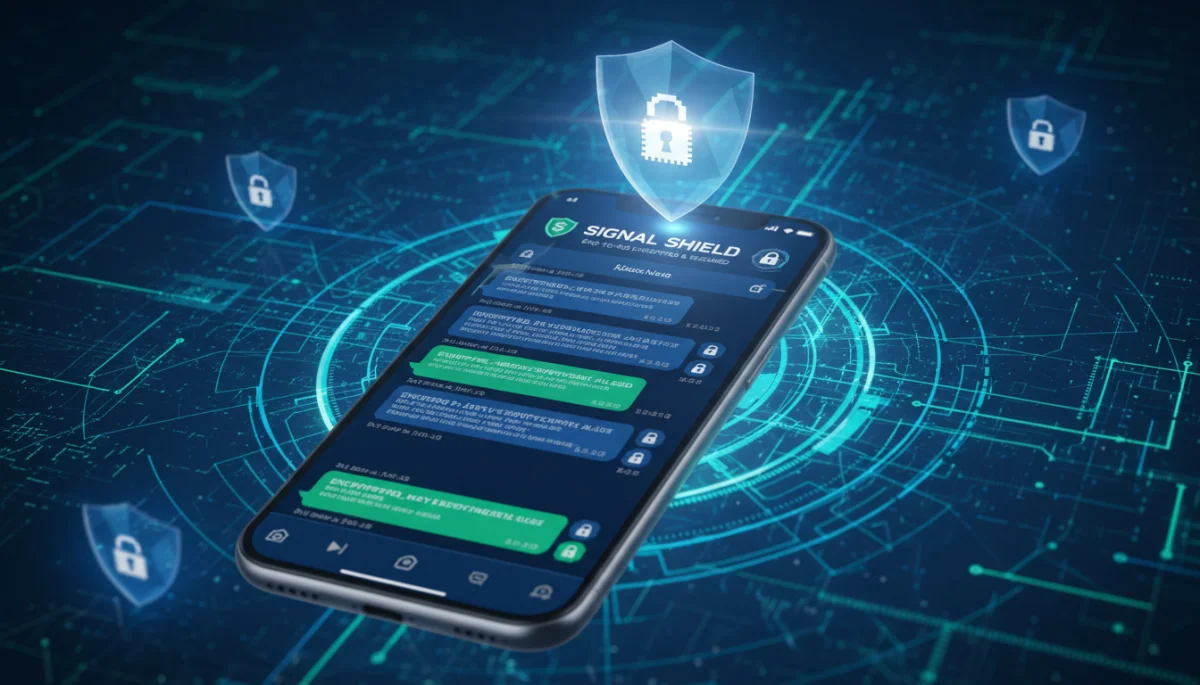
What to Look for in a Secure Messaging App
When selecting a messaging app, consider these features that indicate a commitment to user security:
- End-to-End Encryption by Default: This is non-negotiable for privacy and security.
- Open-Source Code: Allows independent security researchers to audit the code for vulnerabilities.
- Regular Security Audits: Indicates a proactive approach to identifying and fixing weaknesses.
- Clear Privacy Policy: Explains how your data is collected, stored, and used.
Users should demand transparency and accountability from their messaging service providers. A company’s track record on data security and privacy should be a key factor in your decision-making process, especially when considering the potential financial costs of a breach.
Recovering from a Messaging Data Breach
Despite best efforts, data breaches can still occur. Knowing how to respond effectively can mitigate the financial damage and expedite the recovery process. Swift action is crucial to prevent further exploitation of your compromised data.
The aftermath of a data breach can be overwhelming, but a structured approach to recovery can help you regain control of your financial situation and minimize long-term repercussions. This involves a series of steps, from immediate protective actions to long-term monitoring.
Steps to Take After a Breach
If you suspect your financial data has been compromised through an insecure messaging app, act immediately:
- Change Passwords: Update passwords for all affected accounts and any other accounts using similar credentials. Use strong, unique passwords.
- Notify Banks and Creditors: Inform your financial institutions of the potential breach. They can monitor for suspicious activity and freeze accounts if necessary.
- Monitor Credit Reports: Regularly check your credit reports for any unauthorized accounts or inquiries. Consider placing a fraud alert or credit freeze.
- Report to Authorities: File a report with the Federal Trade Commission (FTC) and local law enforcement.
- Review Account Statements: Scrutinize all bank and credit card statements for unfamiliar transactions.
The journey to full recovery can be lengthy, often requiring persistent effort to dispute fraudulent charges, correct credit report errors, and restore your financial identity. Staying organized and documenting all communications and actions taken is vital.
| Key Aspect | Brief Description |
|---|---|
| Financial Risk | Insecure messaging leads to data breaches, exposing personal financial information. |
| Identity Theft | Compromised data can be used to open fraudulent accounts and damage credit. |
| Preventive Measures | Use end-to-end encrypted apps, MFA, and avoid sharing sensitive data. |
| Recovery Steps | Change passwords, notify banks, monitor credit, and report breaches immediately. |
Frequently Asked Questions About Messaging Security
Insecure messaging refers to communication methods lacking robust encryption or adequate security protocols. This vulnerability allows unauthorized third parties to intercept, read, or manipulate messages, exposing personal and financial data to potential breaches and exploitation by cybercriminals, leading to significant risks.
A messaging data breach can directly impact your finances by exposing sensitive information like bank details or credit card numbers. This can lead to unauthorized transactions, identity theft, fraudulent loans, or new accounts opened in your name, resulting in significant financial losses and credit score damage.
If your messaging app data is compromised, immediately change all affected passwords, notify your bank and credit card companies, and monitor your credit reports for suspicious activity. Consider placing a fraud alert or credit freeze, and report the incident to the FTC and local law enforcement.
No, not all popular messaging apps offer the same level of security. While many claim encryption, the implementation and default settings vary. It’s crucial to research an app’s security features, such as end-to-end encryption by default, multi-factor authentication, and transparent privacy policies, before entrusting it with sensitive information.
To choose a truly secure messaging app, prioritize those offering end-to-end encryption by default, open-source code for independent audits, and a strong track record of protecting user privacy. Look for apps that support multi-factor authentication and have clear, transparent privacy policies regarding data handling and storage.
Conclusion
The digital landscape continues to evolve, and with it, the threats to our personal and financial security. The cost of insecure messaging, manifested through data breaches and their subsequent financial repercussions, is a stark reminder of the importance of vigilance and proactive measures. By understanding the vulnerabilities, adopting secure communication practices, and holding app providers accountable, individuals can significantly reduce their risk. Protecting your digital conversations is no longer just about privacy; it is a fundamental aspect of safeguarding your financial future in an increasingly interconnected world.
