Integrating Task Management into Messaging Platforms: A Complete Guide
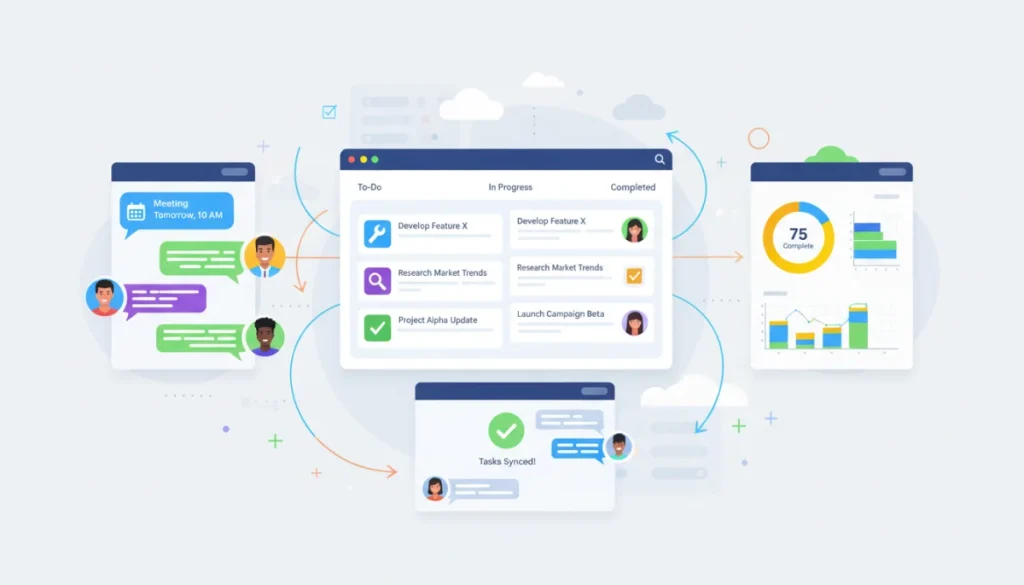
Integrating task management into messaging platforms revolutionizes team productivity by centralizing communication and actionable items, streamlining workflows and enhancing overall efficiency in a single, accessible environment.
The modern workplace thrives on efficiency and seamless communication. For many organizations, the challenge lies in bridging the gap between ongoing conversations and actionable tasks. This is where integrating task management into messaging platforms becomes not just beneficial, but essential for optimizing team performance and ensuring projects stay on track.
The Evolution of Workplace Communication and Task Management
The digital transformation has reshaped how teams collaborate. Gone are the days of endless email chains and disparate tools for every single function. Today, businesses are seeking unified solutions that consolidate communication and project execution, recognizing that fragmented systems often lead to inefficiencies and missed deadlines.
Messaging platforms have become the central nervous system for many organizations, facilitating real-time discussions and quick decision-making. However, these discussions often lead to action items that, without proper integration, can get lost in the shuffle. The evolution points towards a symbiotic relationship where communication directly fuels task creation and tracking, ensuring every conversation has a clear path to execution.
This shift isn’t merely about convenience; it’s about creating a more cohesive and responsive work environment. When tasks are directly linked to the conversations that generate them, context is preserved, reducing misunderstandings and the need for redundant information gathering. This holistic approach to productivity empowers teams to move faster and with greater clarity.
Key Benefits of Unifying Communication and Tasks
Unifying communication and task management brings forth a multitude of advantages that directly impact an organization’s bottom line and overall operational efficiency. The synergy created by this integration helps teams overcome common hurdles associated with project execution and collaborative work.
Enhanced Collaboration and Transparency
When tasks are woven into the fabric of daily conversations, team members gain immediate visibility into who is doing what, by when, and why. This level of transparency fosters a more collaborative environment, where everyone is aligned with project goals and individual responsibilities.
- Real-time updates: Task statuses are immediately visible to all relevant parties.
- Contextual discussions: Conversations about tasks are kept alongside the tasks themselves.
- Reduced silos: Information flows freely, breaking down departmental or individual barriers.
This enhanced collaboration means fewer meetings are needed to get updates, as progress is inherently transparent within the messaging platform. Teams can proactively identify bottlenecks and offer support, leading to smoother project execution.
Streamlined Workflows and Reduced Context Switching
One of the biggest productivity killers in modern workplaces is context switching—the act of jumping between multiple applications to complete related tasks. Integrating task management directly into messaging platforms significantly mitigates this issue, allowing employees to stay within a single interface for most of their daily work.
Imagine receiving a message about a new project requirement, creating a task for it, assigning it, and discussing its details, all without leaving your chat application. This seamless flow of work saves valuable time and cognitive energy, enabling individuals to focus more deeply on their core responsibilities. It also standardizes processes, making it easier for new team members to onboard and understand established workflows.
Choosing the Right Platform for Seamless Integration
The market offers a plethora of messaging platforms and task management tools, each with its own strengths. The key to successful integration lies in selecting platforms that are not only robust in their individual functionalities but also designed for interoperability. Compatibility and a strong API are crucial considerations.
When evaluating options, consider your team’s existing tools and preferences. A platform that forces a drastic change in workflow might face resistance. Instead, look for solutions that can either integrate with your current setup or offer a compelling all-in-one experience that justifies the transition. Factors such as user interface, scalability, and security should also play a significant role in your decision-making process.
Ultimately, the ‘right’ platform is one that aligns with your specific organizational needs, supports your team’s communication style, and provides the necessary features for efficient task tracking and project management. A thorough assessment of both technical capabilities and user adoption potential is vital for long-term success.
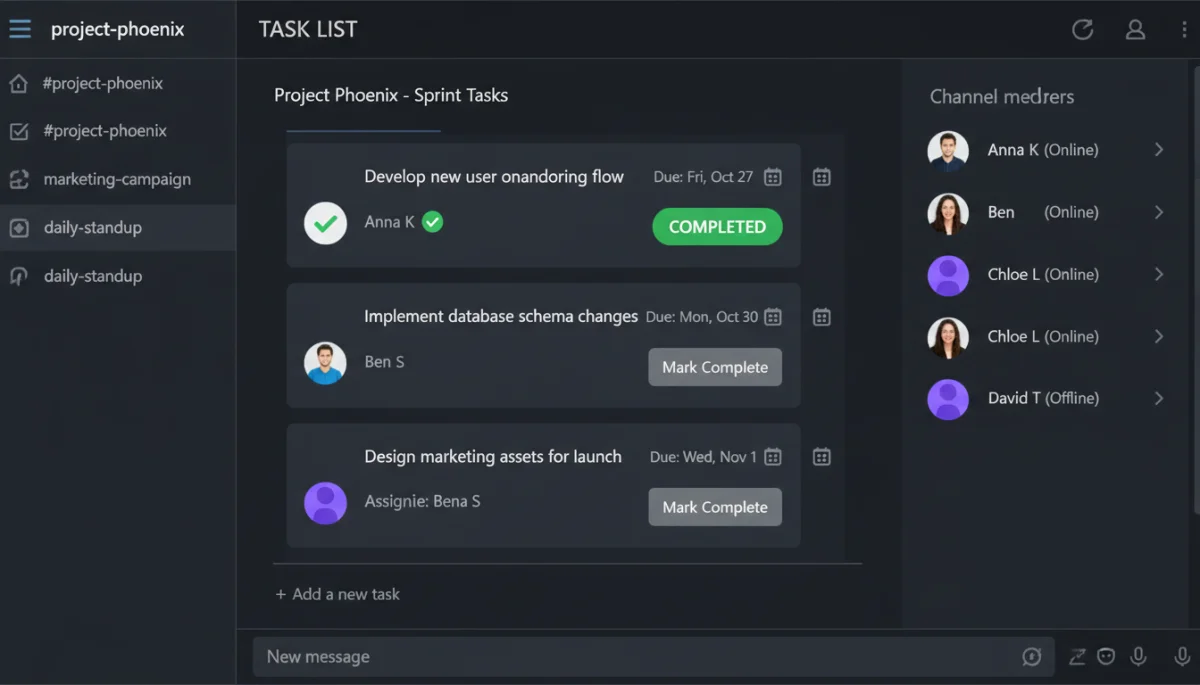
Practical Strategies for Effective Integration
Simply adopting integrated tools isn’t enough; effective implementation requires strategic planning and ongoing management. To truly harness the power of integrating task management into messaging platforms, organizations must establish clear guidelines and foster a culture of adoption.
Establishing Clear Guidelines and Best Practices
Successful integration hinges on consistency. Teams need clear rules on how tasks are created, assigned, updated, and closed within the messaging environment. This includes defining conventions for task naming, priority levels, and due dates. Without these guidelines, the integrated system can quickly become chaotic and lose its intended benefits.
- Standardized task creation: Ensure all team members follow a consistent method for adding new tasks.
- Role-based access: Define who can create, edit, and close tasks to maintain order.
- Notification protocols: Establish clear rules for task-related notifications to avoid overload.
Regular training sessions and accessible documentation can reinforce these best practices, ensuring that everyone on the team is proficient in using the integrated tools effectively. This proactive approach minimizes confusion and maximizes the utility of the new system.
Fostering User Adoption and Continuous Improvement
Technology is only as good as its adoption rate. Encouraging team members to embrace the new integrated workflow requires more than just mandating its use. It involves highlighting the benefits, addressing concerns, and continuously seeking feedback for improvement. Leadership buy-in and active participation are crucial for setting the tone.
Start with a pilot program involving early adopters who can champion the new system and demonstrate its value. Provide avenues for feedback and be prepared to iterate on your processes based on user experiences. A culture that values continuous improvement will ensure the integrated system evolves to meet the changing needs of the team, thereby solidifying its place as an indispensable productivity tool.
Overcoming Common Challenges in Integration
While the benefits of integrating task management into messaging platforms are clear, the path to seamless integration is not without its obstacles. Organizations often encounter challenges that, if not addressed proactively, can hinder the success of their efforts. Understanding these common pitfalls is the first step towards overcoming them.
One significant challenge is managing information overload. While centralizing communication and tasks is the goal, poorly managed integrations can lead to an overwhelming number of notifications and messages, making it difficult for users to distinguish urgent tasks from general chatter. This can result in users disengaging from the platform altogether, defeating the purpose of integration.
Another hurdle is ensuring data security and compliance. When sensitive task-related information is shared within messaging platforms, it’s crucial to ensure that the integration adheres to all relevant data protection regulations and internal security policies. Choosing platforms with robust security features and implementing strict access controls are paramount to safeguarding confidential project details.
Finally, achieving universal team adoption can be difficult, especially in larger organizations or those with a diverse workforce. Resistance to change, lack of technical proficiency, or simply a preference for older methods can impede the widespread use of integrated tools. Effective change management strategies, including comprehensive training and visible leadership support, are essential to mitigate this.
Future Trends in Integrated Productivity Tools
The landscape of productivity tools is constantly evolving, driven by advancements in artificial intelligence, automation, and a growing demand for hyper-personalized work experiences. The future of integrating task management into messaging platforms looks even more sophisticated and intelligent, promising further enhancements to how teams collaborate and execute projects.
AI-Powered Task Automation and Predictive Analytics
Artificial intelligence is poised to revolutionize integrated productivity tools by automating routine task creation, assignment, and follow-ups. Imagine an AI assistant that can analyze message conversations, identify actionable items, and automatically generate tasks, complete with suggested deadlines and responsible parties. This capability would significantly reduce manual effort and ensure that no task falls through the cracks.
- Automated task generation: AI identifies tasks from conversations and creates them.
- Intelligent assignment: Tasks are automatically assigned based on team member skills and workload.
- Predictive insights: AI analyzes project data to foresee potential delays and suggest interventions.
Predictive analytics will also play a crucial role, offering insights into project timelines, resource allocation, and potential risks. By analyzing historical data and current progress, these tools can provide proactive recommendations, helping teams to optimize their workflows and make more informed decisions.
Enhanced Customization and Cross-Platform Interoperability
The demand for highly customizable work environments will continue to grow. Future integrated platforms will offer unparalleled flexibility, allowing users to tailor their interfaces, notifications, and workflows to match individual preferences and project requirements. This personalization will lead to a more comfortable and efficient user experience, boosting productivity.
Furthermore, cross-platform interoperability will become a standard expectation. Users will expect seamless integration not just between task management and messaging, but also with other essential business applications such as CRM, ERP, and design tools. This holistic ecosystem of interconnected applications will create a truly unified digital workspace, eliminating data silos and fostering a fluid exchange of information across the entire organization.
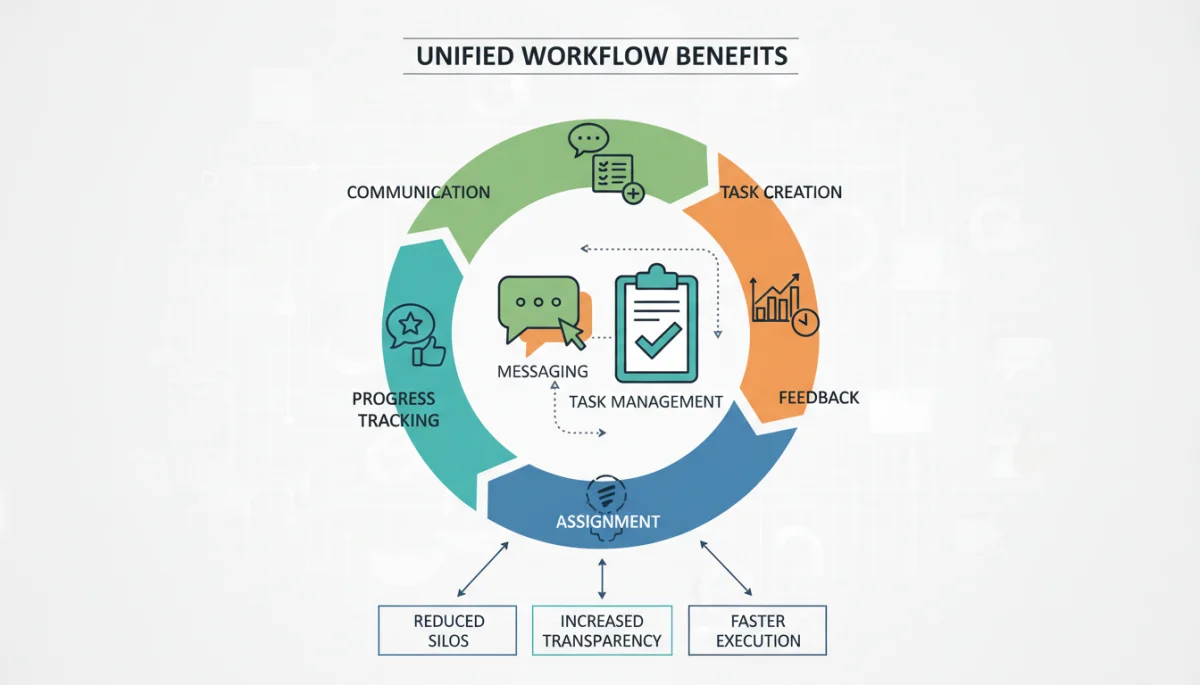
Implementing a Successful Integration Strategy
Implementing a successful integration strategy for task management within messaging platforms requires a methodical approach, combining careful planning with a focus on user experience and continuous adaptation. It’s not a one-time setup, but rather an ongoing process that evolves with your team’s needs.
Begin by clearly defining your objectives. What specific problems are you trying to solve? Is it reducing missed deadlines, improving communication clarity, or enhancing overall project visibility? Having clear goals will guide your platform selection and integration strategy. Conduct a thorough audit of your current tools and workflows to identify pain points and areas where integration can yield the most significant impact.
Once objectives are set and platforms are chosen, focus on a phased rollout. Starting with a smaller team or a specific project can provide valuable insights and allow for adjustments before a wider deployment. This pilot phase is crucial for identifying unexpected challenges and refining your processes. During this period, actively solicit feedback from users and be prepared to make iterative improvements. Remember, the goal is to enhance productivity, not to introduce new complexities.
Training and support are also paramount. Provide comprehensive training sessions that cover not just the technical aspects of the integrated tools but also the new workflows and best practices. Create easily accessible resources, such as FAQs, video tutorials, and dedicated support channels, to assist users as they adapt. A strong support system will alleviate frustrations and encourage sustained adoption, ensuring that the investment in integration truly pays off in terms of enhanced efficiency and collaboration.
| Key Aspect | Brief Description |
|---|---|
| Enhanced Collaboration | Real-time task visibility and contextual discussions improve team synergy. |
| Streamlined Workflows | Reduces context switching by centralizing tasks within communication channels. |
| AI-Powered Automation | Future tools will automate task creation and provide predictive analytics. |
| User Adoption | Crucial for success, requiring clear guidelines, training, and continuous feedback. |
Frequently Asked Questions about Task Management Integration
The primary benefits include enhanced team collaboration, streamlined workflows, reduced context switching, and improved transparency. This integration centralizes discussions and actionable items, leading to greater efficiency and fewer missed tasks.
Platforms like Slack, Microsoft Teams, and Google Chat are popular choices, often offering native integrations or robust APIs for third-party task management tools. The best choice depends on your team’s existing ecosystem and specific functional requirements.
Successful adoption requires clear guidelines, comprehensive training, and strong leadership buy-in. Starting with a pilot program, gathering user feedback, and continuously iterating on processes are also crucial for long-term success.
Common challenges include information overload, ensuring data security and compliance, and overcoming user resistance to change. Proactive planning, robust security measures, and effective change management strategies can mitigate these issues.
Future trends point towards AI-powered task automation, predictive analytics for project insights, and enhanced customization. Cross-platform interoperability will also become more sophisticated, creating a truly unified digital workspace.
Conclusion
The strategic move towards integrating task management into messaging platforms is more than just a technological upgrade; it represents a fundamental shift in how modern teams achieve productivity and collaboration. By centralizing communication and actionable items, organizations can significantly reduce inefficiencies, enhance transparency, and empower their workforce to operate with greater agility. While challenges exist, careful planning, thoughtful platform selection, and a commitment to user adoption can pave the way for a truly unified and highly effective digital workspace. As technology continues to advance, particularly with AI and automation, the synergy between messaging and task management will only deepen, offering even more sophisticated tools to navigate the complexities of the contemporary work environment.
