Maximize Home Insulation: Reduce Heating & Cooling Costs
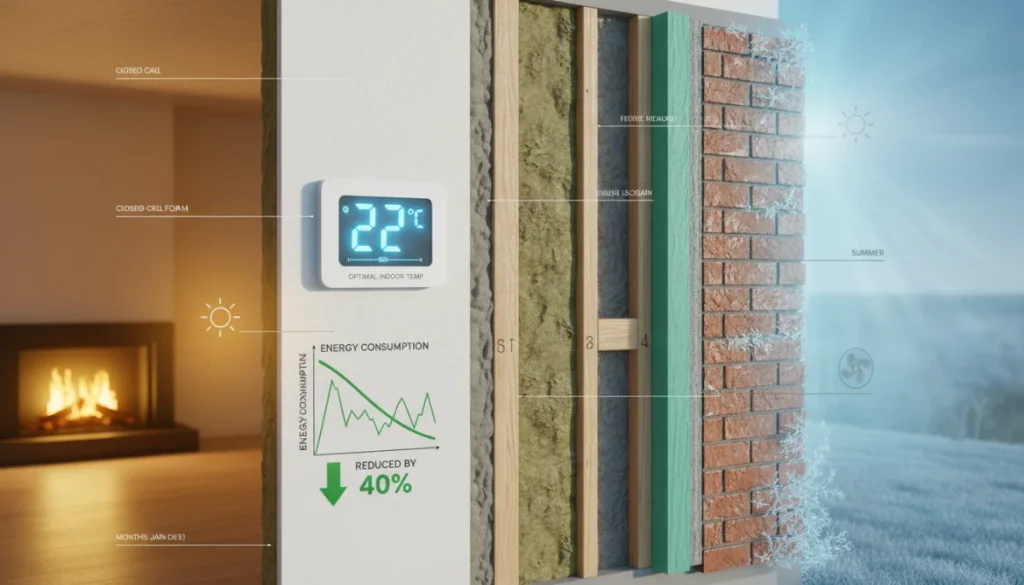
Maximizing your home’s insulation is a crucial step towards reducing heating and cooling costs, enhancing comfort, and improving energy efficiency, ultimately leading to significant long-term savings.
Are you tired of skyrocketing utility bills? Do you feel drafts even when your heating or air conditioning is running full blast? Understanding and improving your home’s insulation can transform your living space, making it more comfortable and significantly cutting down on energy expenses. Let’s delve into how maximizing your home’s insulation: a guide to reducing heating and cooling costs can benefit you.
Understanding Home Insulation and Its Impact
Home insulation acts as a barrier to heat flow, keeping your home warmer in winter and cooler in summer. This crucial component of your home’s structure plays a pivotal role in maintaining a consistent indoor temperature, directly impacting your energy consumption and, consequently, your utility bills.
Without adequate insulation, heat can easily escape through your walls, roof, and floors during colder months, forcing your heating system to work harder. Conversely, in warmer periods, external heat infiltrates your home, making your air conditioning system struggle to keep things cool. This constant battle against temperature transfer not only wastes energy but also puts undue stress on your HVAC systems, potentially shortening their lifespan.
The Science Behind Thermal Resistance
Insulation’s effectiveness is measured by its R-value, which indicates its thermal resistance. A higher R-value signifies better insulating properties. Different materials and thicknesses offer varying R-values, making material selection a critical decision for optimal performance.
- Conduction: Heat transfer through direct contact. Insulation reduces this by creating air pockets.
- Convection: Heat transfer through fluid movement (air or liquid). Insulation prevents air movement within walls and attics.
- Radiation: Heat transfer through electromagnetic waves. Radiant barriers are designed to reflect heat.
Understanding these principles helps in selecting the right insulation type and ensuring proper installation, which are key to achieving maximum energy savings and comfort. A well-insulated home is not just about saving money; it’s about creating a healthier and more comfortable indoor environment year-round.
Types of Insulation Materials and Their Applications
Choosing the right insulation material is paramount for effective thermal performance. Each type has unique properties, applications, and R-values, making it suitable for different areas of your home. Understanding these options is the first step in maximizing your home’s insulation.
From traditional fiberglass to advanced spray foam, the market offers a diverse range of materials designed to meet various needs and budgets. The best choice often depends on the specific area being insulated, existing structural elements, and your overall energy efficiency goals.
Common Insulation Types
There are several popular insulation materials, each with distinct advantages. For instance, fiberglass is widely used due to its affordability and effectiveness, while spray foam offers superior air sealing properties.
- Fiberglass Batts and Rolls: Made from fine glass fibers, these are common for walls, attics, and crawl spaces. They are relatively inexpensive and easy to install in standard-sized cavities.
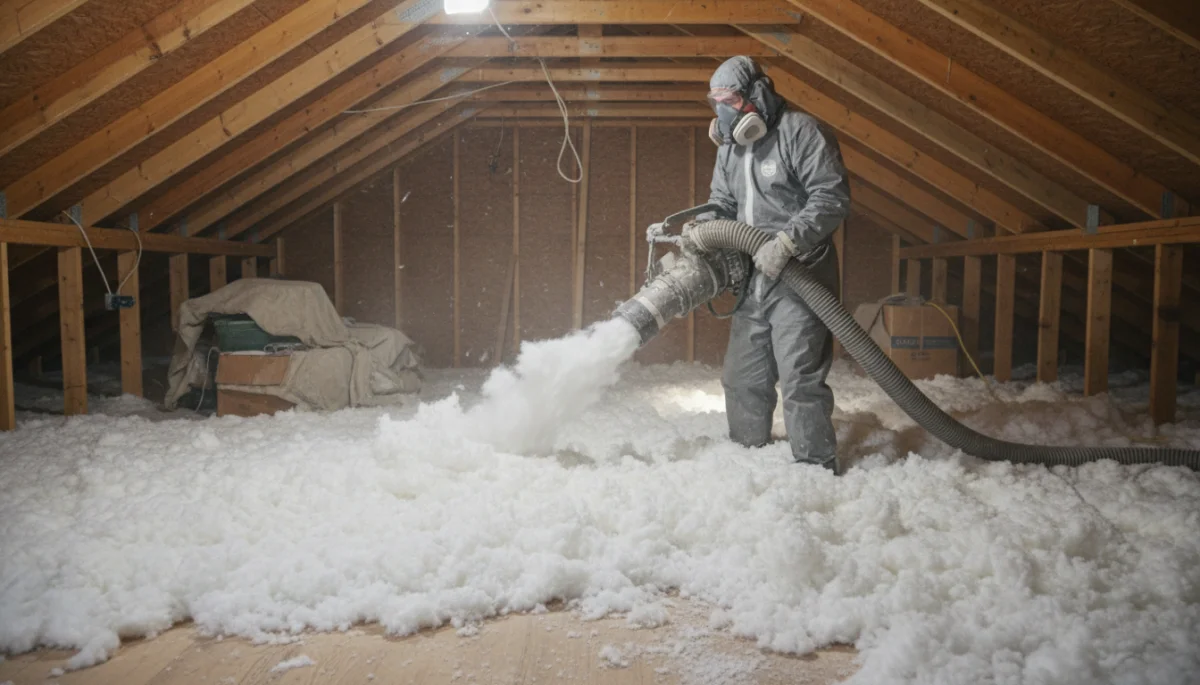
- Blown-in Cellulose or Fiberglass: Ideal for irregularly shaped areas, existing walls, and attic floors. This method allows for dense packing, reducing air leaks.
- Spray Foam Insulation: A premium option that expands to fill cavities, creating an airtight seal. Available in open-cell and closed-cell varieties, offering high R-values and moisture resistance.
- Rigid Foam Boards: Often used for exterior walls, basements, and cathedral ceilings. These panels provide a high R-value per inch and can serve as a vapor barrier.
Each material offers specific benefits, from fire resistance to moisture control, making it essential to consider all factors before making a selection. A professional assessment can help determine the most suitable option for your home’s unique requirements.
Insulating Different Areas of Your Home
Effective home insulation isn’t a one-size-fits-all solution; different areas of your home require specific approaches and materials to achieve optimal energy efficiency. Addressing each zone systematically is key to truly maximizing your home’s insulation and seeing significant reductions in heating and cooling costs.
Think of your home as a series of thermal envelopes, each needing attention. From the attic to the basement, every area presents unique challenges and opportunities for improvement. Prioritizing these areas can lead to the most impactful energy savings.
Attic Insulation: Your First Priority
The attic is often the most critical area for insulation because heat naturally rises. A poorly insulated attic can lead to substantial heat loss in winter and heat gain in summer. Adding or upgrading attic insulation can yield significant returns on investment.
Consider the recommended R-value for your climate zone and ensure proper ventilation to prevent moisture issues. Blown-in insulation is frequently chosen for attics due to its ability to conform to irregular spaces and cover joists effectively. Sealing air leaks in the attic floor before adding insulation is also crucial.
Wall and Floor Insulation
Walls and floors also contribute significantly to heat transfer. Insulating these areas, especially in older homes, can dramatically improve comfort and energy efficiency. For existing walls, blown-in insulation is often the most practical solution, while new constructions offer more options.
- Exterior Walls: Can be insulated with batts, blown-in, or rigid foam. For existing homes, dense-pack cellulose or fiberglass is often injected into wall cavities.
- Basement Walls: Insulating basement walls, either interior or exterior, helps prevent heat loss and can make the basement more comfortable and usable. Rigid foam boards are a popular choice.
- Crawl Spaces: Insulating crawl space walls or the floor above the crawl space can prevent moisture issues and improve thermal performance. Encapsulation often accompanies insulation in these areas.
Addressing these areas methodically ensures a comprehensive approach to insulation, creating a more uniform thermal barrier throughout your entire home. This holistic strategy is essential for maximizing your home’s insulation and achieving the best possible energy savings.
Air Sealing: The Unsung Hero of Energy Efficiency
While insulation prevents heat transfer through materials, air sealing addresses uncontrolled air leakage, which can account for a significant portion of a home’s energy loss. Even the best insulation won’t perform optimally if air can freely move in and out of your living space through gaps and cracks.
Think of air sealing as the complement to insulation. Insulation slows down heat, but air sealing stops the direct flow of air that carries conditioned air out and unconditioned air in. This combination is powerful for maximizing your home’s insulation efforts.
Identifying and Sealing Leaks
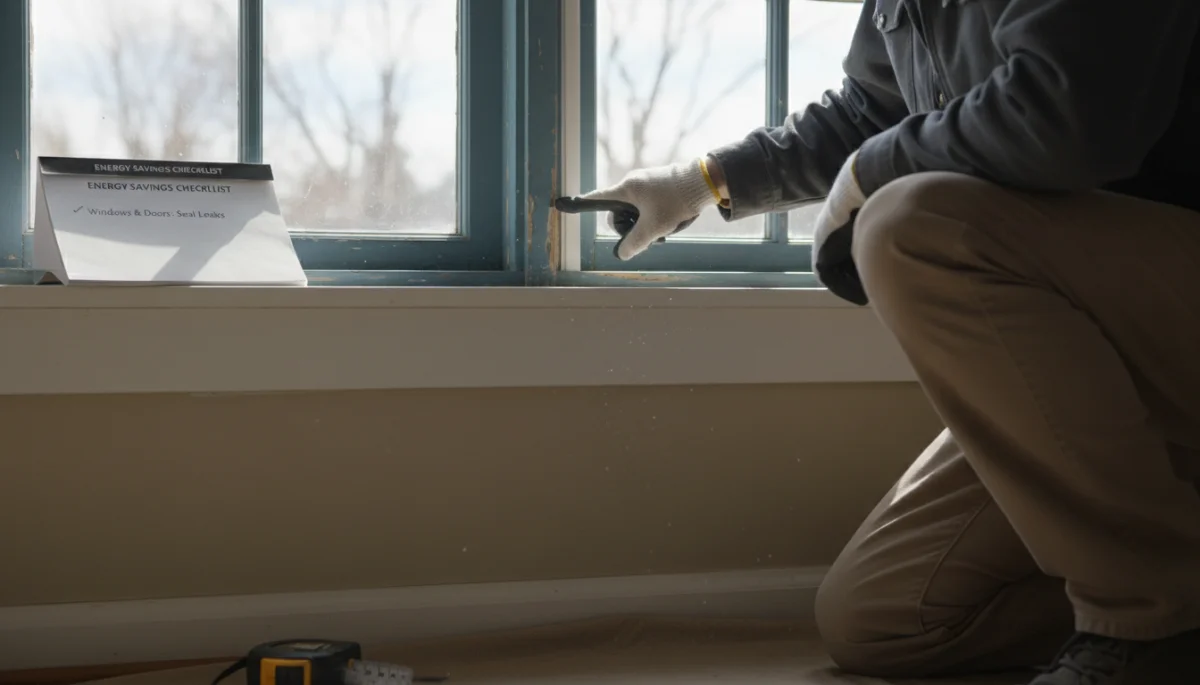
Common culprits for air leaks include gaps around windows and doors, plumbing penetrations, electrical outlets, and attic access points. A professional energy audit can pinpoint these hidden leaks, but homeowners can also perform simple checks.
- Caulking: Use caulk for small cracks and gaps, especially around window frames, door frames, and where different building materials meet.
- Weatherstripping: Apply weatherstripping around movable components like windows and doors to create a tight seal when closed.
- Foam Sealant: Expandable foam sealants are excellent for larger gaps and penetrations, such as those around pipes, wires, and ductwork.
- Gaskets: Install foam gaskets behind electrical outlets and switch plates on exterior walls to prevent drafts.
Addressing these air leaks can lead to immediate improvements in comfort and energy efficiency, often at a relatively low cost. It’s a fundamental step that enhances the performance of any insulation upgrades you undertake, making your home truly airtight and energy-efficient.
Benefits Beyond Cost Savings
While reducing heating and cooling costs is a primary motivator for improving home insulation, the benefits extend far beyond your utility bills. A well-insulated home contributes to a better quality of life through enhanced comfort, improved indoor air quality, and a reduced environmental footprint.
These additional advantages often become apparent soon after insulation upgrades are completed, reinforcing the value of your investment. It’s about creating a healthier, more pleasant, and sustainable living environment for you and your family.
Enhanced Comfort and Health
Proper insulation helps eliminate drafts and cold spots, creating a more uniform temperature throughout your home. This consistency translates to greater comfort, making every room enjoyable regardless of the season. Reduced temperature fluctuations mean less strain on your HVAC system, leading to quieter operation.
- Consistent Temperatures: No more shivering near windows or sweltering in upstairs rooms.
- Reduced Noise: Insulation can dampen external noise, creating a quieter indoor environment.
- Improved Air Quality: By reducing air leaks, insulation helps prevent outdoor pollutants, allergens, and moisture from entering your home, contributing to better indoor air quality and potentially reducing the risk of mold growth.
These comfort and health benefits are often overlooked but are significant advantages of a well-insulated home. They contribute to a more enjoyable and safer living space, making the investment in insulation even more worthwhile.
DIY vs. Professional Installation
Deciding whether to tackle insulation projects yourself or hire professionals is a common dilemma for homeowners looking to maximize their home’s insulation. Both approaches have their merits and drawbacks, and the best choice often depends on the complexity of the job, your skill level, and the specific type of insulation being installed.
While some insulation tasks are perfectly suited for a weekend warrior, others require specialized equipment, expertise, and safety precautions that are best left to experienced professionals. Carefully weighing these factors will help you make an informed decision that ensures effectiveness and safety.
When to DIY
Simple tasks like adding insulation to an accessible attic floor or weatherstripping windows and doors can often be done by homeowners. These projects typically require basic tools and a good understanding of instructions.
- Adding Attic Batts: If your attic is easily accessible and has existing insulation that needs a boost, adding another layer of fiberglass batts can be a straightforward DIY project.
- Sealing Air Leaks: Caulking and weatherstripping are excellent DIY tasks that can significantly improve your home’s airtightness.
- Insulating Rim Joists: For those comfortable working in a basement or crawl space, insulating rim joists with rigid foam can be a manageable project.
Always prioritize safety when undertaking DIY insulation projects. Wear appropriate protective gear, such as gloves, masks, and eye protection, especially when working with materials like fiberglass.
When to Hire Professionals
More complex insulation tasks, particularly those involving specialized materials or hard-to-reach areas, are best handled by professionals. Their expertise ensures proper installation, maximizing the insulation’s effectiveness and preventing potential issues.
For example, spray foam insulation requires specialized equipment and training to apply correctly, and improper application can lead to significant problems. Similarly, dense-pack insulation in existing wall cavities is a job for experienced installers who can ensure uniform coverage without damaging the wall structure.
Professionals can also perform comprehensive energy audits, identifying areas of heat loss that you might miss and recommending the most effective solutions. Their knowledge of building codes and safety regulations ensures that the installation is not only effective but also compliant.
Maintenance and Long-Term Considerations
Once you’ve invested in maximizing your home’s insulation, proper maintenance and long-term considerations are essential to ensure its continued effectiveness and to protect your investment. Insulation isn’t a set-it-and-forget-it component; periodic checks and addressing potential issues can prolong its lifespan and maintain its performance.
Ignoring these aspects can lead to reduced R-values, moisture problems, and ultimately, a decrease in the energy savings you initially achieved. Being proactive about maintenance ensures your home remains energy-efficient for years to come.
Protecting Your Insulation
Moisture is one of the biggest enemies of insulation. Water intrusion from roof leaks, plumbing issues, or condensation can severely compromise insulation’s effectiveness, leading to mold growth and structural damage. Regular inspections of your attic, basement, and crawl spaces can help identify and address these issues early.
Pests, such as rodents and insects, can also damage insulation by nesting in it, compressing materials, and creating pathways for air leaks. Sealing entry points and maintaining a clean environment can help deter these unwanted visitors.
- Regular Inspections: Check for signs of moisture, mold, pests, or damage during seasonal maintenance.
- Ventilation: Ensure attics and crawl spaces are properly ventilated to prevent moisture buildup.
- Sealing Leaks: Revisit air sealing efforts periodically, as caulk and weatherstripping can degrade over time.
By taking these preventative measures, you can safeguard your insulation and ensure it continues to provide optimal thermal performance, contributing to a comfortable home and consistent energy savings. Long-term care is key to sustaining the benefits of maximizing your home’s insulation.
| Key Point | Brief Description |
|---|---|
| R-Value Importance | Higher R-values indicate better thermal resistance, crucial for effective heat flow prevention. |
| Insulation Types | Various materials like fiberglass, cellulose, and spray foam suit different home areas and needs. |
| Air Sealing Criticality | Sealing gaps and cracks prevents significant energy loss, complementing insulation’s effectiveness. |
| Long-Term Benefits | Beyond savings, insulation provides enhanced comfort, better air quality, and reduced noise. |
Frequently Asked Questions About Home Insulation
The ideal R-value for attic insulation in the US varies significantly by climate zone. Generally, recommendations range from R-30 to R-60. It’s best to consult local building codes or an energy auditor to determine the specific R-value appropriate for your region to maximize energy savings.
Common signs include high utility bills, inconsistent indoor temperatures, drafts, and ice dams on the roof in winter. Visually inspecting your attic to see if insulation is below or even with the top of your floor joists is also a good indicator that more is needed.
Spray foam insulation typically has a higher upfront cost but offers superior air sealing and a high R-value, leading to significant long-term energy savings and improved comfort. Its ability to fill irregular spaces and resist moisture often makes it a worthwhile investment for many homeowners.
Simple tasks like adding batt insulation to an accessible attic or sealing air leaks can often be DIY. However, complex jobs such as spray foam application or insulating existing walls are best left to professionals who have the specialized equipment and expertise for proper and safe installation.
By creating a tighter thermal envelope, insulation, especially when combined with air sealing, reduces the infiltration of outdoor pollutants, allergens, and moisture into your home. This helps maintain a cleaner, healthier indoor environment and can also prevent issues like mold growth.
Conclusion
Ultimately, investing in maximizing your home’s insulation is one of the most effective strategies for long-term savings on heating and cooling costs. Beyond the financial benefits, a well-insulated and properly air-sealed home provides a superior level of comfort, contributes to better indoor air quality, and reduces your environmental footprint. By understanding the different types of insulation, addressing key areas of your home, and considering both DIY and professional approaches, you can transform your living space into an energy-efficient haven. Embrace these improvements, and enjoy a more comfortable home and a healthier wallet for years to come.
