Messaging App Privacy Updates: Your Social Circle’s New Reality
Recent messaging app privacy updates introduce significant changes to data handling and user control, directly influencing how your social circles interact and perceive digital security.
The digital landscape is constantly evolving, and with it, the way we communicate. Recently, significant messaging app privacy updates have rolled out, prompting questions about what these new features mean for your online interactions and, more specifically, for your social circles. Understanding these changes isn’t just about technical jargon; it’s about safeguarding your conversations and maintaining trust within your digital community. Let’s delve into these crucial developments.
understanding the new privacy landscape
The latest wave of privacy enhancements in messaging applications is a direct response to growing user demand for more control over personal data and heightened awareness of digital security. These updates often focus on strengthening encryption, offering more granular control over what information is shared, and providing clearer insights into how data is processed.
Many of these changes stem from global regulatory pressures, such as the GDPR in Europe and various state-level privacy laws in the United States, which compel companies to be more transparent and accountable. For users, this translates into a more secure and, ideally, more trustworthy communication environment. However, navigating these new features requires a proactive approach.
the evolution of encryption standards
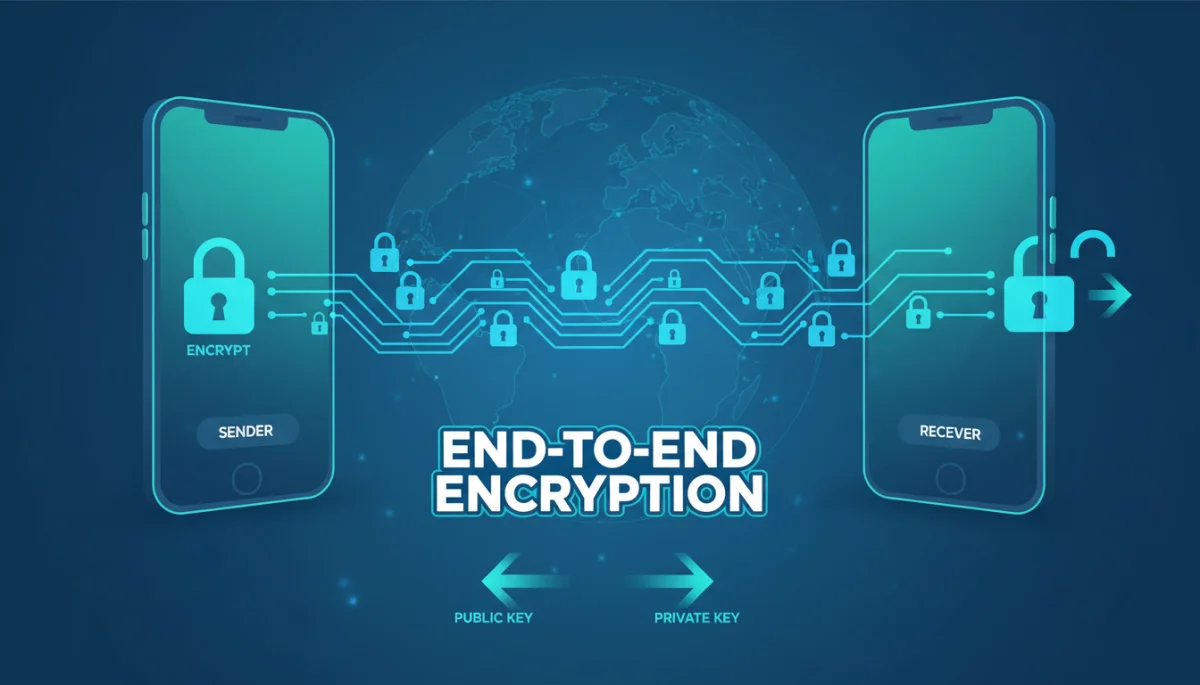
- End-to-End Encryption (E2EE): Most leading messaging apps now offer E2EE by default, ensuring that only the sender and intended recipient can read messages. This means even the app provider cannot access the content of your conversations.
- Enhanced Key Exchange: Updates often include more robust key exchange protocols, making it harder for unauthorized parties to intercept and decrypt communications.
- Forward Secrecy: This feature ensures that even if a decryption key is compromised, it cannot be used to decrypt past messages, only future ones, adding an extra layer of protection.
These improvements to encryption are foundational to the new privacy landscape. They mean that your private chats truly remain private, shielding them from potential eavesdroppers or data breaches. For social circles, this fosters a sense of security, encouraging more open and honest communication without the constant worry of surveillance.
In essence, understanding the new privacy landscape is about recognizing that app developers are increasingly prioritizing user privacy, driven by both user expectations and legal mandates. This shift empowers individuals with greater control over their digital footprint and strengthens the integrity of their online interactions. It’s a continuous journey, but these updates mark significant progress in protecting our digital dialogues.
impact on group chats and shared content
The ramifications of recent messaging app privacy updates extend significantly to group chats and shared content, areas where privacy concerns can be particularly complex due to multiple participants. New features are designed to give users more control over who sees what, even within larger social circles. This includes options for disappearing messages, enhanced media sharing controls, and improved notification settings that protect sensitive information.
For instance, some platforms now allow administrators of group chats to enforce stricter privacy settings, such as preventing message forwarding or restricting who can add new members. These controls are crucial for maintaining the integrity and privacy of closed social groups, ensuring that discussions remain within the intended audience.
disappearing messages and media controls
One of the most notable privacy features gaining traction is the ability to send disappearing messages. This functionality allows users to set a timer for how long a message, photo, or video remains visible before it automatically deletes itself from the chat history. This is particularly useful for sharing sensitive information that doesn’t need to be permanently stored.
- Ephemeral Content: Messages and media set to disappear provide a layer of security by reducing the digital footprint of conversations.
- Screenshots and Saves: Some apps now notify users if a recipient takes a screenshot of a disappearing message or attempts to save ephemeral media, adding another layer of transparency.
- Granular Control: Users can often choose different timers for different chats or even for individual messages, offering flexible privacy management.
These features fundamentally alter the dynamics of sharing content within social circles. They empower individuals to share more freely, knowing that the content won’t reside indefinitely in the cloud or on someone else’s device. For group discussions, this can lead to more candid exchanges, as participants feel more secure about the transient nature of their contributions.
The impact on shared content is also evident in how apps handle media files. Many updates include options for sending photos and videos that can only be viewed once, or that are automatically deleted after a certain period. This minimizes the risk of sensitive images or videos being stored or misused without consent. Overall, these updates aim to provide a more controlled and secure environment for sharing within your digital social circles.
user control and data transparency
A central theme in recent messaging app privacy updates is the emphasis on user control and data transparency. App developers are providing more tools and clearer explanations to help users understand what data is collected, how it’s used, and how they can manage their privacy settings. This shift is vital for building trust and empowering individuals to make informed decisions about their digital interactions.
Many apps now feature redesigned privacy dashboards or settings menus that are more intuitive and easier to navigate. These improvements allow users to quickly review and adjust permissions, notification preferences, and data sharing options without sifting through complex menus. The goal is to put privacy management directly into the hands of the user, rather than making it an obscure technicality.
enhanced privacy settings and options
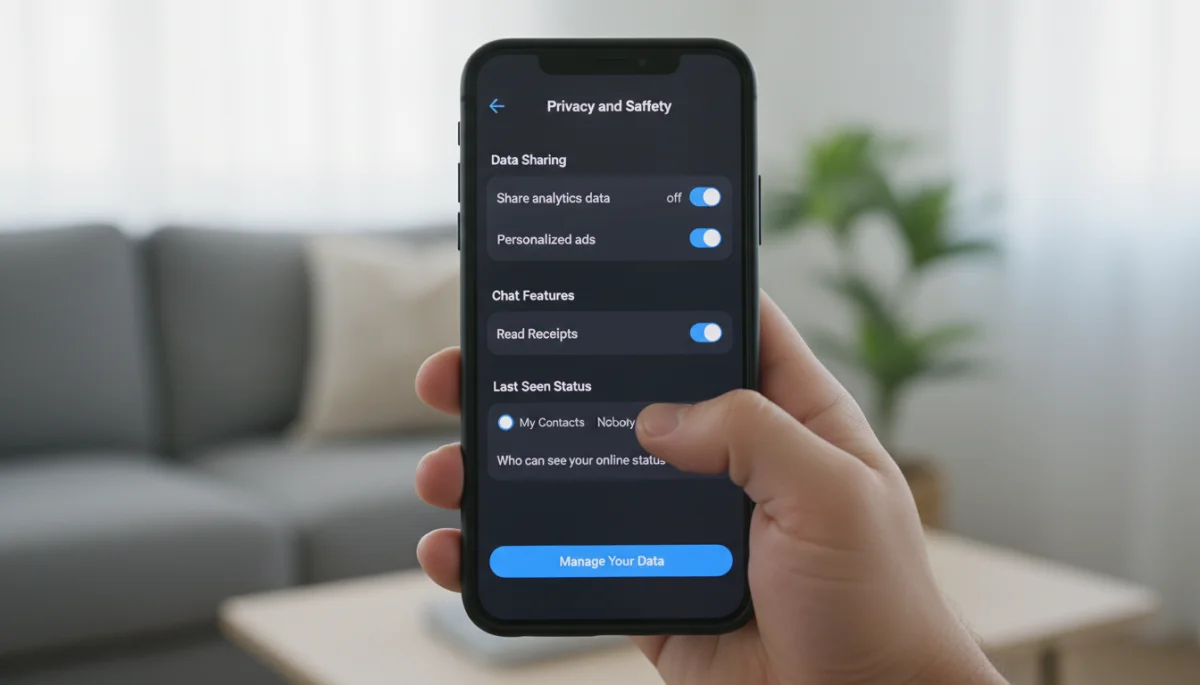
New privacy settings offer a range of options that cater to different levels of comfort and security needs. These often include controls over who can see your last seen status, profile picture, or ‘about’ information. Some apps even allow users to restrict who can add them to groups, preventing unwanted intrusions into their social circles.
- Read Receipts: Users can often toggle read receipts on or off, allowing them to read messages without the sender knowing they’ve been seen.
- Online Status: Control over who can see when you are online or typing, offering more discretion in your communication habits.
- Profile Visibility: Granular settings to determine who can view your profile information, such as your profile picture and bio.
Beyond individual settings, many apps are also offering more detailed privacy policies that are written in simpler language, making them more accessible to the average user. This transparency is crucial for understanding the implications of using a particular service and for making choices that align with one’s personal privacy preferences. It’s about empowering users with knowledge, not just features.
The push for greater data transparency also involves clearer explanations of how user data, even if not message content, might be used for analytics or service improvement. While end-to-end encryption protects messages, understanding how metadata (like who you message and when) is handled is equally important for comprehensive privacy management. These updates represent a significant step towards a more user-centric approach to data privacy.
addressing metadata and digital footprints
While end-to-end encryption secures the content of your messages, recent messaging app privacy updates are also beginning to address the often-overlooked aspect of metadata and your overall digital footprint. Metadata, which includes information like who you communicate with, when, and from where, can reveal a surprising amount about your habits and social connections, even without access to message content.
Recognizing this, some platforms are implementing features to minimize metadata collection or to obscure it more effectively. This could involve techniques like routing messages through multiple servers to mask IP addresses or offering proxy options for users in regions with strict internet surveillance. The goal is to reduce the amount of traceable information linked to your communications.
strategies for minimizing metadata exposure
Minimizing metadata exposure is a complex challenge, but app developers are exploring several avenues to enhance user privacy in this regard. One approach is to decentralize certain aspects of communication, making it harder for a single entity to collect comprehensive data sets. Another involves providing users with tools to review and delete historical metadata associated with their accounts.
- IP Address Masking: Some updates include features that help conceal your IP address, making it more difficult to track your location or identity.
- Ephemeral Profiles: Certain apps are experimenting with features that allow users to create temporary or anonymous profiles for specific interactions, further limiting long-term data association.
- Data Retention Policies: Apps are becoming more transparent about how long they retain metadata and offering options for users to request data deletion.
For social circles, reduced metadata exposure means that the patterns of group communication are less likely to be analyzed by third parties. This can be particularly important for sensitive discussions or for individuals living in environments where their social connections might be scrutinized. It adds another layer of protection that goes beyond just message content.
The concept of a digital footprint encompasses all the data you leave behind through your online activities. Messaging app updates that focus on metadata are essentially aiming to shrink this footprint, giving users more control over the data trails they create. This holistic approach to privacy acknowledges that true digital security involves protecting not just what you say, but also the context in which you say it.
managing permissions and app access
A critical component of the latest messaging app privacy updates involves a renewed focus on managing permissions and controlling app access to your device’s resources. Users are now being given more explicit choices about what information an app can access, such as contacts, microphone, camera, or location. This granular control is essential for preventing unnecessary data collection and enhancing overall privacy.
Operating systems on smartphones have also played a role, providing clearer prompts and settings for app permissions. However, messaging apps are increasingly integrating these controls directly into their own interfaces, making it simpler for users to review and revoke permissions without leaving the application. This streamlined approach empowers users to maintain tighter control over their personal data.
auditing and revoking app permissions
Regularly auditing and revoking app permissions is a best practice that these updates encourage. Many apps now provide easy-to-access summaries of the permissions they currently hold, along with clear explanations of why each permission is requested. This transparency allows users to make informed decisions about whether an app truly needs access to, for example, their microphone or photo gallery.
- Location Access: Control whether the app can access your precise or approximate location, crucial for privacy in social settings.
- Microphone and Camera: Manage access to your device’s microphone and camera, preventing unauthorized recording or surveillance.
- Contact List: Decide if the app can access your phone’s contact list, which can have implications for how your social network is mapped by the service.
For social circles, managing permissions means that sharing photos or voice messages doesn’t automatically grant the app access to every photo or conversation on your device. It minimizes the risk of unintended data leakage and ensures that your interactions remain within the boundaries you set. This level of control is particularly important when considering the vast amounts of personal data stored on modern smartphones.
By empowering users to manage permissions more effectively, these updates contribute to a more secure and private digital environment. It shifts the burden of data protection from a passive acceptance of terms to an active process of user choice. Understanding and utilizing these permission controls is a fundamental step in safeguarding your privacy and that of your social circles.
navigating privacy settings with your social circles
The full benefit of messaging app privacy updates is realized when they are understood and leveraged collectively within your social circles. Individual privacy settings are powerful, but when everyone in a group chat or contact list is on the same page regarding privacy, the collective security and comfort level dramatically increase. This often involves open communication about preferred privacy levels and shared practices.
For example, if a group decides to use disappearing messages for sensitive discussions, knowing that all members are aware of and adhere to this practice builds greater trust. Similarly, understanding how each other’s ‘last seen’ status or read receipts are managed can prevent misunderstandings and foster a more respectful communication dynamic.
best practices for collective privacy
Encouraging best practices for collective privacy within your social circles can significantly enhance everyone’s digital security. This isn’t about enforcing strict rules, but rather about fostering a culture of privacy awareness and mutual respect for digital boundaries. Simple conversations can go a long way in establishing these shared norms.
- Educate Each Other: Share information about new privacy features and why they are important.
- Set Group Norms: Discuss and agree on how sensitive information or media should be shared within the group.
- Respect Individual Settings: Understand and respect others’ choices regarding their online status, read receipts, and profile visibility.
Navigating privacy settings collectively also involves being mindful of the apps used within your social circles. If some members use apps with weaker privacy protections, it can create vulnerabilities for the entire group. Encouraging the use of apps that prioritize privacy and offer robust security features can elevate the overall protection for everyone involved.
Ultimately, the strength of your social circle’s privacy is often a reflection of its weakest link. By actively discussing and adopting shared privacy practices, you can create a more resilient and secure digital space for all your interactions. These updates provide the tools; it’s up to us to use them wisely and collaboratively to protect our collective privacy.
future trends in messaging app privacy
The evolution of messaging app privacy is an ongoing journey, and looking ahead, several key trends are likely to shape future updates. The increasing demand for user control, coupled with advancements in privacy-enhancing technologies, suggests a future where digital communication is even more secure and personalized. Expect to see innovations that push the boundaries of what’s possible in data protection and user autonomy.
One prominent trend is the continued development of decentralized messaging protocols. These systems aim to remove central points of control, making it inherently more difficult for any single entity to collect or compromise user data. While still in early stages for mainstream adoption, decentralized solutions offer a promising path towards ultimate privacy.
emerging privacy technologies and concepts
Beyond decentralization, several emerging technologies and concepts are poised to redefine messaging app privacy. These include advancements in zero-knowledge proofs, which allow one party to prove that they possess certain information without revealing the information itself, and federated learning, which enables AI models to be trained on decentralized data without sharing the raw user data.
- Zero-Knowledge Proofs: Could allow authentication and verification without revealing personal identifiers.
- Federated Learning: Enables personalized features without sending your data to a central server, preserving privacy.
- Post-Quantum Cryptography: Research into encryption methods resistant to future quantum computing attacks, ensuring long-term security.
Another significant area of development is the integration of privacy-focused AI. Instead of AI models requiring vast amounts of personal data, future systems could be designed to operate on encrypted data or to perform tasks locally on a user’s device, minimizing data exposure. This would allow for smart features without compromising privacy.
For social circles, these future trends promise an even greater level of assurance that their digital conversations are secure from all forms of intrusion. As technology progresses, the tools available to protect privacy will become more sophisticated, offering robust defenses against evolving threats. Staying informed about these developments will be key to leveraging the next generation of privacy features in messaging apps.
| Key Aspect | Brief Description |
|---|---|
| Enhanced Encryption | Strengthened end-to-end encryption for message content and advanced key protocols. |
| User Data Control | More granular settings for profile visibility, read receipts, and online status. |
| Metadata Minimization | Efforts to reduce collection and exposure of data like communication patterns and IP addresses. |
| Ephemeral Messaging | Features like disappearing messages and view-once media to reduce digital footprints. |
Frequently Asked Questions About Messaging App Privacy
End-to-end encryption (E2EE) ensures that only the sender and recipient can read messages. It’s crucial because it prevents third parties, including the app provider, from accessing your communication content, significantly enhancing privacy and security for your social circles.
Disappearing messages automatically delete after a set time, reducing your digital footprint. They benefit social circles by allowing sharing of sensitive information with less risk of permanent storage, fostering more open and secure temporary communication.
While message content is encrypted, apps might still collect metadata (who you message, when). Privacy updates aim to minimize this, but it’s important to review app privacy policies and manage permissions to control what data is shared beyond message content.
To improve collective privacy, social circles should openly discuss and agree on shared privacy practices. This includes understanding new features, respecting individual settings, and potentially choosing apps that prioritize robust privacy protections for all members.
Yes, future updates are expected to bring even greater security through decentralized protocols, zero-knowledge proofs, and privacy-focused AI. These advancements aim to provide enhanced user control and protection against evolving digital threats, ensuring long-term communication security.
Conclusion
The recent messaging app privacy updates represent a pivotal moment in digital communication, offering users unprecedented control over their personal data and enhancing the security of their social interactions. From strengthened encryption to granular permission management and disappearing messages, these features empower individuals to shape their digital footprint more consciously. Understanding and actively utilizing these updates is not just a personal responsibility but a collective effort that can significantly benefit your social circles, fostering environments of greater trust and security. As technology continues to advance, staying informed and proactive will be key to navigating the ever-evolving landscape of online privacy.
