Messaging App Security: Evolving Threats & Best Practices
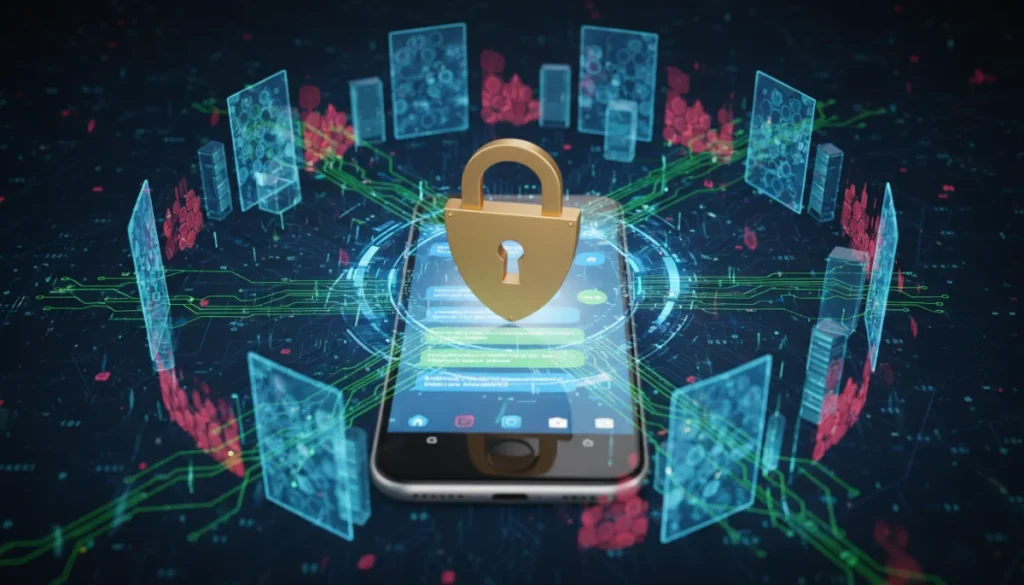
Messaging app security is a dynamic field constantly adapting to new vulnerabilities and sophisticated attacks, demanding continuous vigilance and updated protection strategies to safeguard user data and privacy.
In an increasingly interconnected world, instant messaging applications have become indispensable tools for personal and professional communication. However, with their widespread adoption comes a critical concern:
messaging app security. The digital landscape is fraught with evolving threats, making it more challenging than ever to ensure our private conversations remain private. Understanding these risks and implementing robust security measures is no longer optional but a fundamental necessity for every user.
The foundation of messaging app security: encryption
At the heart of any secure messaging application lies encryption. This technological marvel transforms readable data into a scrambled format, rendering it unintelligible to unauthorized parties. Without strong encryption, messages are vulnerable to interception and eavesdropping, compromising the very essence of private communication.
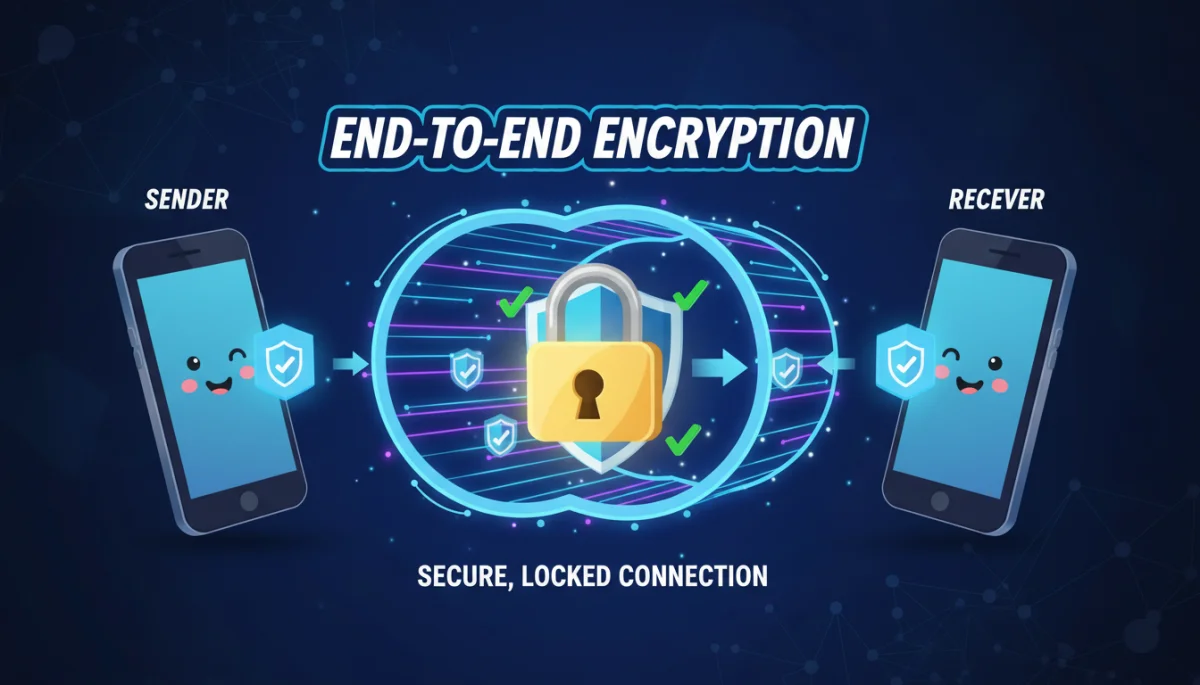
End-to-end encryption (E2EE) stands as the gold standard in messaging app security. It ensures that only the sender and intended recipient can read the messages, with no intermediaries, not even the app provider, having access to the content. This method is crucial for maintaining privacy and preventing data breaches at various points in the communication chain.
How end-to-end encryption works
End-to-end encryption operates on a principle where messages are encrypted on the sender’s device and decrypted only on the recipient’s device. This process involves complex cryptographic keys that are unique to each conversation.
- Key exchange: Secure protocols ensure that encryption keys are exchanged safely between participants.
- Data scrambling: Messages are converted into ciphertext, unreadable without the correct key.
- Decryption on device: Only the intended recipient’s device possesses the necessary key to convert the ciphertext back to plaintext.
The implementation of E2EE varies among applications, with some using open-source protocols that allow for independent auditing, further enhancing trust and transparency. This transparency is vital for users to verify the claims of security made by messaging app providers.
Despite its robustness, E2EE is not a silver bullet. Its effectiveness relies on proper implementation and the absence of vulnerabilities in the underlying software. Users must also be aware of how their chosen app handles metadata, which, even if message content is encrypted, can still reveal patterns of communication.
Evolving threats to digital communication
The landscape of cyber threats is in constant flux, with attackers continuously developing new methods to bypass security measures. For messaging apps, these threats range from sophisticated technical exploits to social engineering tactics designed to trick users.
Understanding these evolving threats is the first step toward effective protection. Cybercriminals are motivated by various factors, including financial gain, espionage, and disruption, making no user immune to potential attacks. The sheer volume of data exchanged through messaging apps makes them prime targets.
Common attack vectors and vulnerabilities
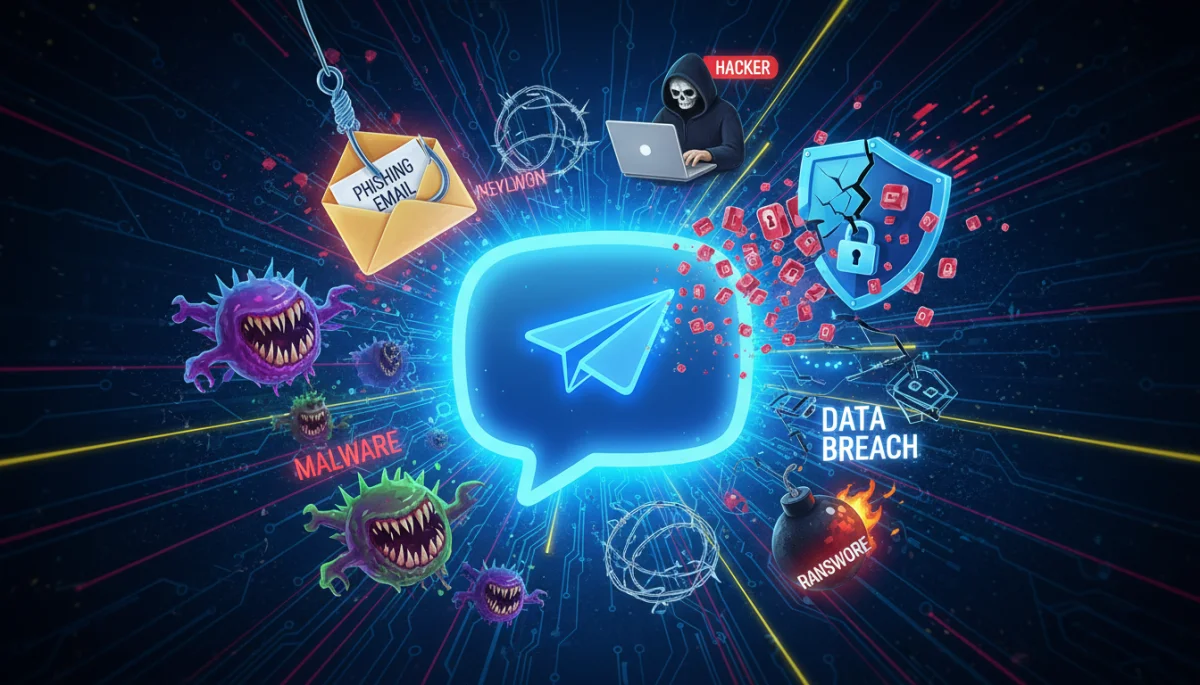
Attackers leverage various techniques to compromise messaging app security. Phishing, malware, and social engineering remain prevalent, but new, more advanced threats are always emerging.
- Phishing attacks: Deceptive messages designed to trick users into revealing sensitive information or clicking malicious links.
- Malware and spyware: Harmful software installed on devices to intercept communications or steal data.
- SIM swapping: A tactic where attackers gain control of a victim’s phone number, often used to bypass two-factor authentication.
- Supply chain attacks: Targeting the software development process to inject vulnerabilities into legitimate applications.
Beyond these direct attacks, vulnerabilities can also arise from flaws in the app’s code, misconfigurations, or even weak user practices. For instance, storing unencrypted backups in cloud services can undermine the security provided by E2EE, creating a backdoor for attackers.
The rapid development cycles of messaging apps, while bringing new features, can also introduce new security loopholes. Regular security audits and prompt patching of vulnerabilities are critical responsibilities for app developers. Users, in turn, must ensure their apps are always updated to the latest versions.
Privacy concerns and data handling
Beyond direct attacks, privacy concerns surrounding data handling by messaging app providers are a significant aspect of
messaging app security. Many apps collect various forms of user data, from metadata to contact lists, raising questions about how this information is stored, used, and shared.
The business models of some free messaging apps often rely on data collection for targeted advertising or other commercial purposes. This practice, while not always malicious, can expose users to privacy risks if the data is mishandled or compromised. Transparency in data policies is crucial for user trust.
Understanding metadata and its implications
Metadata, often overlooked, can reveal a surprising amount of information about communication patterns, even when message content is encrypted. This includes who communicated with whom, when, and from where.
- Communication patterns: Reveals social graphs and interaction frequency.
- Location data: Can be inferred from IP addresses or device permissions.
- Device information: Details about the type of device and operating system used.
While individual pieces of metadata might seem innocuous, when aggregated, they can paint a detailed picture of a user’s life, activities, and relationships. Governments and advertisers alike are interested in this information, making its protection as important as message content.
Users should carefully review the privacy policies of their chosen messaging apps to understand what data is collected and how it is used. Opting for apps with minimal data collection policies and strong commitments to user privacy can significantly reduce exposure to these risks. The balance between functionality and privacy is a constant challenge for app developers.
Best practices for enhanced messaging app security
Protecting your digital communications requires a combination of robust app security features and diligent user practices. While developers bear the responsibility of building secure applications, users also play a crucial role in safeguarding their own data.
Implementing best practices can significantly reduce the risk of falling victim to evolving threats. These practices often involve simple yet effective steps that, when consistently applied, create a stronger defense against potential compromises.
Essential security habits for users
Cultivating good security habits is paramount for anyone using messaging applications. These habits extend beyond just choosing a secure app and involve ongoing vigilance.
- Enable two-factor authentication (2FA): Adds an extra layer of security by requiring a second verification method.
- Keep apps updated: Updates often include critical security patches for known vulnerabilities.
- Be wary of suspicious links and attachments: Phishing remains a primary attack vector.
- Review app permissions: Limit access to sensitive data like location, contacts, and microphone.
- Use strong, unique passwords: Protect your device and app access with complex passphrases.
- Regularly back up important chats securely: Ensure backups are also encrypted if stored in the cloud.
Beyond these technical steps, a healthy skepticism towards unsolicited messages and requests for personal information is vital. Attackers often exploit human psychology through social engineering, making awareness a powerful defense mechanism. Educating oneself about common scams can prevent many potential compromises.
Furthermore, consider the physical security of your device. A lost or stolen phone can expose all your messaging data if not adequately protected with screen locks and remote wipe capabilities. Device security is an integral part of overall
messaging app security.
The role of regulatory frameworks and industry standards
As
messaging app security becomes a global concern, regulatory frameworks and industry standards play an increasingly important role. These guidelines aim to protect user data, enforce transparency, and establish a baseline for security practices among app developers.
Governments and international bodies are recognizing the need for stricter rules to govern how personal data is handled by technology companies. This includes mandates for encryption, data minimization, and clear consent mechanisms, all designed to empower users and hold providers accountable.
Key regulations and their impact
Several regulations have significantly impacted the landscape of digital privacy and security, influencing how messaging apps operate globally.
- GDPR (General Data Protection Regulation): A comprehensive privacy law in the EU that sets strict rules for data collection, processing, and storage.
- CCPA (California Consumer Privacy Act): Grants California consumers rights regarding their personal information, including knowing what data is collected and the right to opt-out of its sale.
- HIPAA (Health Insurance Portability and Accountability Act): Specifically addresses the security and privacy of health information, impacting messaging apps used in healthcare settings.
These regulations often impose hefty fines for non-compliance, incentivizing companies to prioritize security and privacy. They also provide users with legal avenues to seek recourse if their data rights are violated. The increasing focus on data sovereignty and privacy is pushing app developers to adopt more secure architectures by design.
However, the patchwork of global regulations can also create challenges for app developers, requiring them to navigate complex legal landscapes. Harmonization of these standards could further strengthen overall messaging app security, ensuring a consistent level of protection for users worldwide.
Future trends in messaging app security
The future of
messaging app security is dynamic, driven by technological advancements and the perpetual cat-and-mouse game between defenders and attackers. Anticipating these trends is crucial for both developers and users to stay ahead of potential threats.
Emerging technologies like quantum computing, while still nascent, pose long-term challenges to current encryption standards. Simultaneously, advancements in artificial intelligence and machine learning are being leveraged for both offensive and defensive cybersecurity purposes, promising a new era of digital protection.
AI, quantum computing, and decentralized communication
These technologies are set to redefine the boundaries of what is possible in secure communication.
- AI-driven threat detection: AI can analyze vast amounts of data to identify unusual patterns and predict potential attacks in real-time.
- Post-quantum cryptography: Research into new cryptographic algorithms resistant to quantum computer attacks is underway.
- Decentralized messaging protocols: Blockchain-based or peer-to-peer messaging could reduce reliance on central servers, enhancing resilience and privacy.
AI, for instance, can enhance anomaly detection, identify sophisticated phishing attempts, and automate incident response. However, AI can also be used by attackers to create more convincing deepfakes and automated social engineering campaigns, presenting a dual-edged sword.
The development of post-quantum cryptography is a long-term endeavor, but its importance cannot be overstated for future-proofing secure communications. As quantum computing progresses, existing encryption methods could become vulnerable, necessitating new cryptographic paradigms.
Decentralized communication platforms offer a vision of messaging without central points of control, potentially reducing censorship and surveillance risks. However, they also present challenges in terms of scalability, user experience, and moderation, which need to be addressed for widespread adoption. The push for greater privacy and security will continue to drive innovation in this space.
Selecting a secure messaging app: a user’s guide
Given the complexities of
messaging app security and the myriad of options available, choosing the right application can be daunting. However, making an informed decision is vital for protecting your digital life. Not all apps are created equal, and their security features can vary significantly.
This guide aims to simplify the selection process, highlighting key criteria that users should consider when evaluating messaging apps for their security and privacy posture. Your choice of app directly impacts the safety of your conversations and personal data.
Key factors to consider for optimal security
When comparing messaging apps, focus on these critical aspects to ensure you select a truly secure platform.
- End-to-end encryption (E2EE): This is non-negotiable for private communications. Verify that E2EE is enabled by default for all chats.
- Open-source code: Apps with open-source code allow security researchers to audit their encryption protocols and identify vulnerabilities.
- Transparent privacy policy: A clear and concise policy outlining data collection, usage, and sharing practices.
- Minimal data collection: Choose apps that collect the least amount of user data necessary for their operation.
- Independent security audits: Regular audits by third-party experts provide assurance of the app’s security claims.
- Self-destructing messages: An optional but useful feature for highly sensitive conversations.
- Two-factor authentication (2FA) support: Essential for protecting your account from unauthorized access.
Beyond these technical specifications, consider the app’s reputation and track record regarding security incidents. A company’s response to past breaches can be indicative of its commitment to user protection. Also, think about the app’s ecosystem and how it integrates with other services; sometimes, third-party integrations can introduce new vulnerabilities.
Finally, educate your contacts about the importance of secure messaging. The security of your conversations often depends on the weakest link, which can be a less secure app used by one of your communication partners. Encouraging friends and family to adopt secure practices enhances everyone’s overall
messaging app security.
| Key Aspect | Brief Description |
|---|---|
| End-to-End Encryption | Ensures only sender and receiver can read messages, crucial for privacy. |
| Evolving Threats | Cyberattacks like phishing, malware, and SIM swapping constantly adapt. |
| Data Handling & Privacy | Metadata collection and transparent policies are critical privacy concerns. |
| User Best Practices | Enable 2FA, keep apps updated, and be wary of suspicious links. |
Frequently asked questions about messaging app security
E2EE ensures that messages are encrypted on the sender’s device and decrypted only on the recipient’s device. This is crucial because it prevents anyone, including the app provider, from reading your communications, thus safeguarding privacy and preventing unauthorized access.
To protect against phishing, always be suspicious of unsolicited messages, especially those asking for personal information or containing urgent requests. Verify the sender’s identity before clicking any links or downloading attachments. If something feels off, it likely is.
App updates are vital for security as they often include patches for newly discovered vulnerabilities. Developers continuously work to fix security flaws, and by keeping your apps updated, you ensure you have the latest protections against evolving threats and exploits.
Yes, metadata collection is a significant privacy concern. Even if message content is encrypted, metadata can reveal who you communicate with, when, and from where. This information can be aggregated to create detailed profiles, making it crucial to choose apps with transparent and minimal data collection policies.
Future trends include the increasing use of AI for threat detection and defense, the development of post-quantum cryptography to counter quantum computing threats, and the exploration of decentralized messaging protocols to enhance privacy and resilience against censorship and surveillance.
Conclusion
The realm of
messaging app security is a complex and continually evolving domain, demanding constant attention from both developers and users. From the fundamental importance of end-to-end encryption to the persistent challenge of evolving cyber threats and privacy concerns related to data handling, safeguarding digital communications is a shared responsibility. By understanding the underlying technologies, recognizing potential risks, and diligently applying best practices, users can significantly enhance their personal and professional communication security. As technology advances, so too will the methods of protection, making continuous education and adaptation essential for navigating the digital landscape securely.
