Messaging App Policies and Data Security in the US
Messaging app policies and data security in the US are shaped by a complex interplay of technological advancements, evolving legal frameworks, and user expectations for privacy in digital communications.
In today’s interconnected world, understanding messaging app policies and data security in the US is more critical than ever. As digital communication becomes central to our daily lives, the privacy and security of our conversations are paramount. This article will explore the intricate landscape of regulations, technological safeguards, and user responsibilities that define data protection within messaging applications across the United States.
The Evolution of Messaging App Security
The journey of messaging app security has been dynamic, evolving from simple text messages to complex encrypted platforms. Early messaging services offered little to no encryption, leaving communications vulnerable to interception. However, as cyber threats grew and public awareness of digital privacy increased, a demand for more robust security measures emerged.
This evolution has been driven by both technological innovation and user demand. Developers have continuously sought to implement stronger encryption protocols, while users have become more discerning about the apps they choose, prioritizing those that offer the highest levels of privacy and data protection.
From SMS to Encrypted Platforms
- Early SMS Vulnerabilities: SMS messages were inherently insecure, transmitted in plain text and easily intercepted by malicious actors or even telecommunication providers.
- Rise of Internet-Based Messaging: The advent of internet-based messaging apps like WhatsApp and Signal introduced new possibilities for data transmission, but also new security concerns.
- End-to-End Encryption (E2EE): The widespread adoption of E2EE has revolutionized messaging security, ensuring that only the sender and intended recipient can read messages.
The ongoing development of cryptographic techniques and security architectures continues to push the boundaries of what is possible in secure communication. This constant innovation is crucial in staying ahead of evolving cyber threats and ensuring user trust.
The history of messaging app security is a testament to the continuous effort to protect digital conversations. From basic plaintext messages to sophisticated end-to-end encryption, each advancement has aimed to bolster user privacy and safeguard sensitive information from unauthorized access. This evolution underscores the importance of staying informed about the security features of the apps we use daily.
Understanding End-to-End Encryption (E2EE) in Messaging
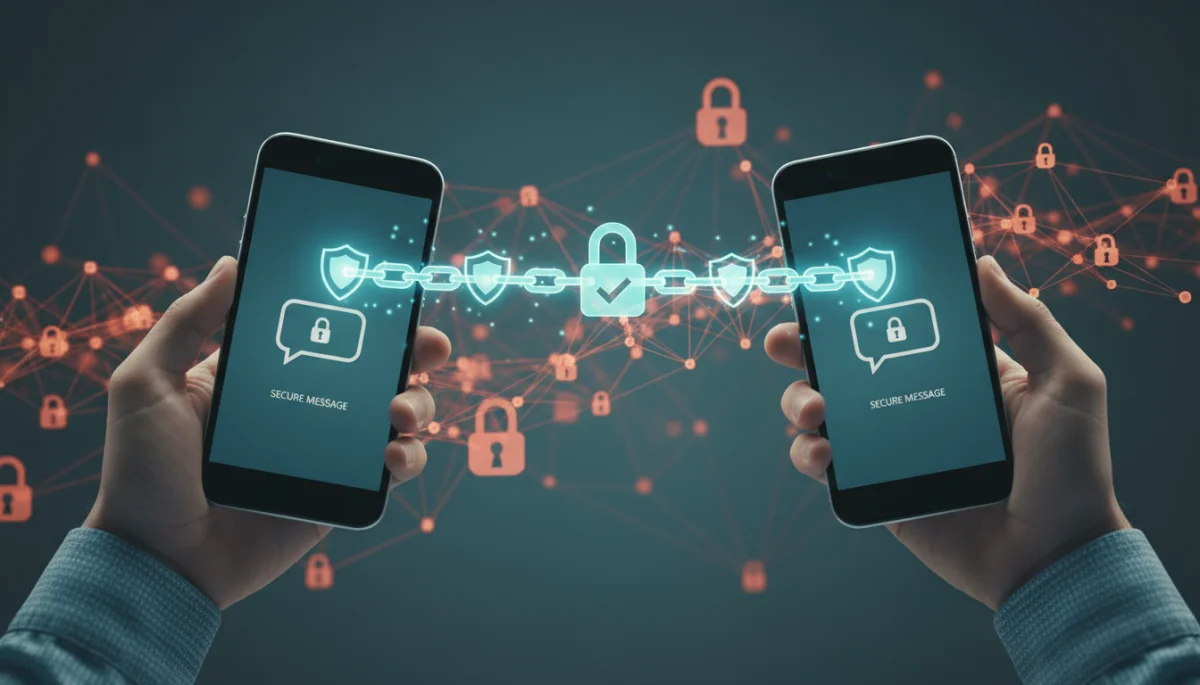
End-to-end encryption (E2EE) is the cornerstone of modern messaging security, providing a critical layer of protection for user communications. It ensures that messages are encrypted on the sender’s device and decrypted only on the recipient’s device, making them unreadable to anyone in between, including the messaging app provider itself.
This technology is vital for protecting sensitive information, personal conversations, and even critical business communications from surveillance or data breaches. Without E2EE, messages could be intercepted and read by third parties, compromising user privacy and security.
How E2EE Works and Its Importance
E2EE relies on complex cryptographic protocols to secure data transmission. When a message is sent, it’s scrambled into an unreadable format using a unique key, and only the recipient’s device holds the key to unscramble it. This process makes it incredibly difficult for unauthorized parties to access the content of communications.
The importance of E2EE cannot be overstated, especially in an era where data breaches and privacy concerns are rampant. It empowers users to communicate freely without the fear of their conversations being monitored or exploited.
- Confidentiality: Guarantees that only the intended participants can read the messages.
- Integrity: Ensures that messages have not been tampered with during transmission.
- Authentication: Verifies the identity of the communicating parties, preventing impersonation.
While E2EE offers significant security benefits, it is not without its challenges. Governments and law enforcement agencies often express concerns about E2EE hindering investigations, leading to debates about backdoors or alternative access methods. These discussions highlight the tension between privacy rights and national security interests.
Ultimately, E2EE provides a robust defense against unauthorized access to private communications. Its design ensures that even if a messaging service provider’s servers are compromised, the content of user messages remains protected, reinforcing trust and privacy in digital interactions.
US Legal Frameworks Governing Data Security
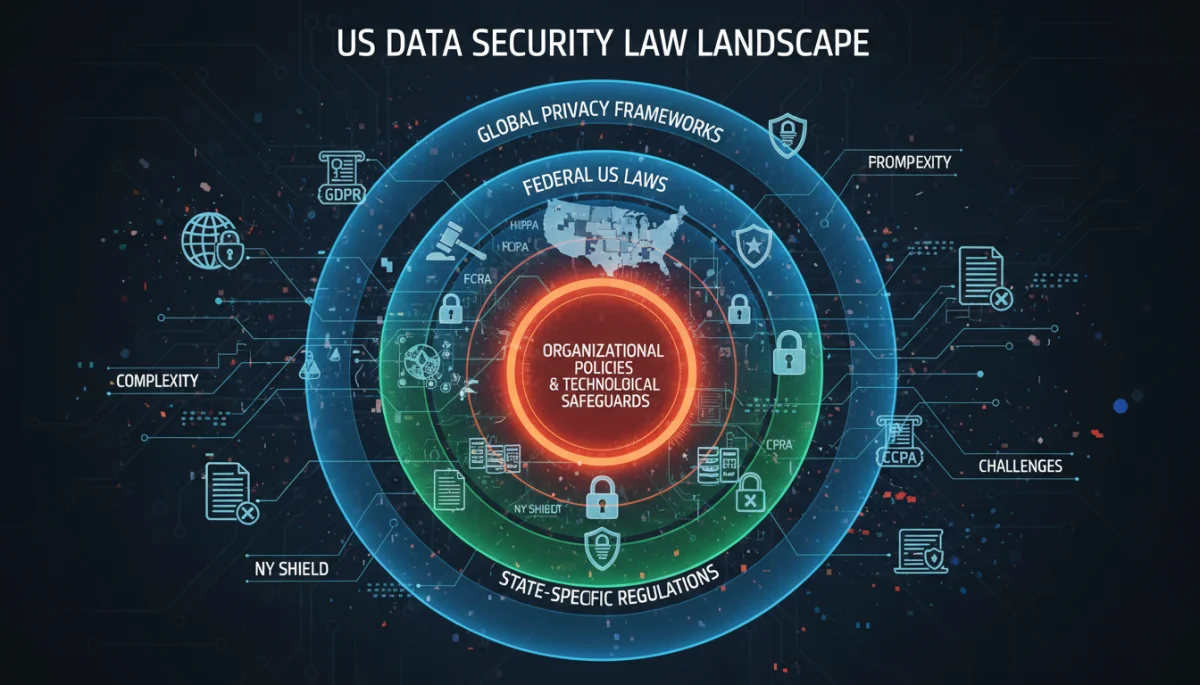
The United States has a diverse and evolving set of legal frameworks that govern data security and privacy, impacting how messaging apps operate and handle user data. Unlike some regions with a single overarching data protection law, the US approach is sector-specific and often state-specific, creating a complex regulatory environment.
These laws aim to protect consumers from data breaches, ensure fair information practices, and establish guidelines for how companies collect, store, and process personal data. For messaging app providers, compliance with these regulations is a significant undertaking, requiring robust security measures and transparent data handling policies.
Key Federal and State Regulations
Several key pieces of legislation at both federal and state levels influence data security for messaging apps. These laws dictate various aspects, from data encryption requirements to breach notification protocols.
- HIPAA (Health Insurance Portability and Accountability Act): While primarily for healthcare, it sets standards for protecting sensitive patient data, which can indirectly affect messaging apps used for health-related communications.
- COPPA (Children’s Online Privacy Protection Act): Regulates online collection of personal information from children under 13, impacting messaging apps targeting younger users.
- State-Specific Laws (e.g., CCPA/CPRA in California): California’s consumer privacy acts grant consumers significant rights over their personal information, including the right to know, delete, and opt-out of the sale of their data. Similar laws are emerging in other states.
The lack of a single, comprehensive federal privacy law means that companies often must navigate a patchwork of regulations, leading to potential inconsistencies and compliance challenges. This fragmented approach can make it difficult for users to fully understand their rights and for companies to ensure uniform data protection across all jurisdictions.
The legal landscape surrounding data security in the US is continually shifting, with new legislation and amendments being proposed regularly. This dynamic environment necessitates continuous monitoring and adaptation from messaging app providers to remain compliant and ensure the highest standards of data protection for their users.
Challenges and Controversies in Data Access
The intersection of messaging app policies and data security in the US often leads to significant challenges and controversies, particularly concerning government access to encrypted communications. The debate between privacy advocates and law enforcement agencies is fierce, with both sides presenting compelling arguments.
Law enforcement argues that strong encryption hinders their ability to investigate serious crimes, including terrorism and child exploitation, by creating “warrant-proof” spaces. Conversely, privacy advocates contend that weakening encryption through backdoors or other means would compromise the security of all users, making them vulnerable to malicious actors and state surveillance.
The Encryption Debate: Privacy vs. National Security
This ongoing debate is at the heart of many policy discussions surrounding messaging apps. The core tension lies in balancing individual privacy rights with the collective need for national security and public safety.
- Government Demands: Agencies often seek legal mechanisms to compel tech companies to provide access to encrypted data, sometimes proposing legislative solutions that would mandate backdoors.
- Tech Industry Resistance: Many tech companies and security experts argue that creating backdoors would inherently weaken encryption for everyone, making systems exploitable by adversaries.
- Legal Precedents: Court cases, such as the Apple vs. FBI dispute, have highlighted the legal and technical complexities of forcing companies to unlock encrypted devices or communications.
The technical feasibility of creating a “secure” backdoor that only authorized entities can use remains a highly contentious issue. Many experts believe that any backdoor, once created, could be exploited by hostile governments or cybercriminals, leading to widespread security vulnerabilities.
These controversies underscore the complex ethical and technical dilemmas involved in data access. Solutions require careful consideration of human rights, technological capabilities, and the potential societal impact of any policy decisions on messaging app policies and data security in the US.
User Responsibilities in Protecting Messaging Data
While messaging app providers and legal frameworks play a crucial role in data security, users also bear significant responsibility in protecting their own messaging data. Proactive user behavior can substantially enhance personal security, regardless of the app’s built-in features or governmental regulations.
Understanding and implementing best practices for digital hygiene is essential for safeguarding private conversations and sensitive information. Relying solely on app features without personal vigilance can leave users vulnerable to various threats, from phishing scams to malware.
Best Practices for Enhanced Messaging Security
Adopting simple yet effective security habits can make a big difference in protecting your messaging data. These practices go beyond what any app can automatically provide and depend entirely on user awareness and action.
- Strong Passwords and Two-Factor Authentication (2FA): Using unique, complex passwords for your accounts and enabling 2FA adds a critical layer of security, preventing unauthorized access even if your password is stolen.
- Regular Software Updates: Keeping your operating system and messaging apps updated ensures you have the latest security patches, protecting against known vulnerabilities.
- Awareness of Phishing and Scams: Be skeptical of suspicious links or unsolicited messages, as these are common tactics used to gain access to your accounts or install malware.
- Review Privacy Settings: Periodically check and adjust the privacy settings within your messaging apps to control who can see your information and how your data is shared.
Furthermore, users should be mindful of the information they share and with whom. Oversharing sensitive details can lead to social engineering attacks or identity theft, even within secure communication channels. Educating oneself about common cyber threats is a continuous process that empowers users to make informed decisions.
Ultimately, a combination of robust app security features, effective legal frameworks, and vigilant user practices creates the strongest defense for messaging data. Empowering users with knowledge and tools is crucial for fostering a more secure digital communication environment.
Future Trends in Messaging App Security and Policy
The landscape of messaging app policies and data security in the US is constantly evolving, driven by technological advancements, shifting regulatory priorities, and changing user expectations. Several key trends are expected to shape the future of secure digital communication, presenting both opportunities and challenges.
Emerging technologies like quantum computing and decentralized networks could fundamentally alter how data is encrypted and transmitted. Simultaneously, discussions around data localization, international data transfers, and the harmonization of global privacy standards will continue to influence policy decisions.
Decentralization, AI, and Quantum Computing
These emerging technologies hold the potential to revolutionize messaging app security, offering both enhanced protection and new vulnerabilities. Understanding their implications is key to anticipating future developments.
- Decentralized Messaging: Moving away from centralized servers could reduce single points of failure and enhance privacy by distributing data across multiple nodes.
- AI in Security: Artificial intelligence can be leveraged to detect and prevent cyber threats more effectively, but also raises concerns about algorithmic bias and surveillance.
- Quantum-Resistant Cryptography: As quantum computing advances, current encryption methods may become vulnerable. Research into quantum-resistant algorithms is crucial for future-proofing security.
The regulatory response to these technological shifts will be critical. Policymakers will need to develop agile frameworks that can adapt to rapid technological change without stifling innovation or compromising fundamental rights. This will involve ongoing dialogue between government, industry, and civil society.
The future of messaging app security will likely involve a continuous arms race between those seeking to protect data and those attempting to access it. Staying informed about these trends and advocating for policies that prioritize user privacy and robust security will be essential in shaping a secure digital future.
Impact of Global Regulations on US Policies
While the focus is on messaging app policies and data security in the US, it’s impossible to ignore the significant impact of global regulations. International data privacy laws, particularly those from the European Union, often set a de facto standard that influences how American companies operate worldwide, including their US-based services.
The interconnected nature of the internet means that data often flows across borders, making purely national approaches to data security increasingly challenging. Global regulations can compel US-based messaging apps to adopt higher privacy standards to remain competitive and compliant in international markets, which can then extend to their US user base.
GDPR and Its Influence on US Tech Companies
The General Data Protection Regulation (GDPR) in the European Union stands out as a prime example of a global regulation with far-reaching effects. Its strict requirements for data protection and user rights have forced many US tech companies to re-evaluate and enhance their privacy practices.
- Expanded User Rights: GDPR grants individuals rights such as the right to access, rectify, erase, and restrict processing of their personal data.
- Data Breach Notification: Mandates strict timelines for notifying authorities and affected individuals of data breaches.
- Global Reach: Applies to any company processing the personal data of EU residents, regardless of where the company is based.
The “California Consumer Privacy Act” (CCPA) and subsequent “California Privacy Rights Act” (CPRA) are often seen as responses to GDPR, bringing similar, though not identical, privacy rights to US consumers. This demonstrates how global standards can inspire and influence domestic policy-making.
As digital communication continues to be a global phenomenon, the interplay between national and international data privacy regulations will only grow in importance. US messaging app policies and data security will increasingly be shaped by a blend of domestic laws and international best practices, aiming for a more harmonized and secure global digital environment.
| Key Aspect | Brief Description |
|---|---|
| End-to-End Encryption | Secures messages so only sender and receiver can read them, crucial for privacy against unauthorized access. |
| US Legal Frameworks | A complex mix of federal and state laws (e.g., HIPAA, CCPA) governing data handling and privacy for messaging apps. |
| Encryption Debate | Ongoing conflict between privacy advocates and law enforcement regarding government access to encrypted messaging data. |
| User Responsibilities | Users play a key role in security through strong passwords, 2FA, updates, and vigilance against scams. |
Frequently Asked Questions About Messaging App Security
End-to-end encryption (E2EE) ensures that messages are encrypted on the sender’s device and can only be decrypted by the intended recipient. This is crucial because it prevents third parties, including the app provider or malicious actors, from reading your private conversations, safeguarding your privacy and data integrity.
US laws, such as HIPAA for health data and CCPA/CPRA for consumer privacy, create a fragmented but impactful regulatory environment. These laws dictate how messaging apps collect, store, and process user data, requiring companies to implement security measures and transparent policies, even without a single federal privacy law.
The ability of governments to access encrypted messages is a contentious issue. While law enforcement often seeks access, many apps with strong E2EE are designed to prevent even the app provider from reading messages. Debates continue over legal mandates for backdoors, which tech companies largely resist due to security concerns.
Users can significantly enhance their security by using strong, unique passwords, enabling two-factor authentication (2FA), keeping apps and operating systems updated, and being vigilant against phishing attempts. Regularly reviewing privacy settings within apps also helps control personal data exposure.
Global regulations like GDPR, while European, significantly influence US messaging apps because many operate internationally. To comply with GDPR’s strict data protection and user rights requirements for EU citizens, US companies often adopt similar high standards across their services, impacting US users indirectly.
Conclusion
The landscape of messaging app policies and data security in the US is a multifaceted and continuously evolving domain. It is shaped by the interplay of advanced encryption technologies, diverse legal frameworks, persistent debates over data access, and the critical role of user responsibility. As digital communication continues to integrate deeper into our lives, the imperative to protect our privacy remains paramount. Understanding these dynamics empowers both individuals and organizations to navigate the complexities, ensuring that our digital conversations remain secure and private in an increasingly interconnected world.
