Messaging App Security: Critical Vulnerabilities & Solutions
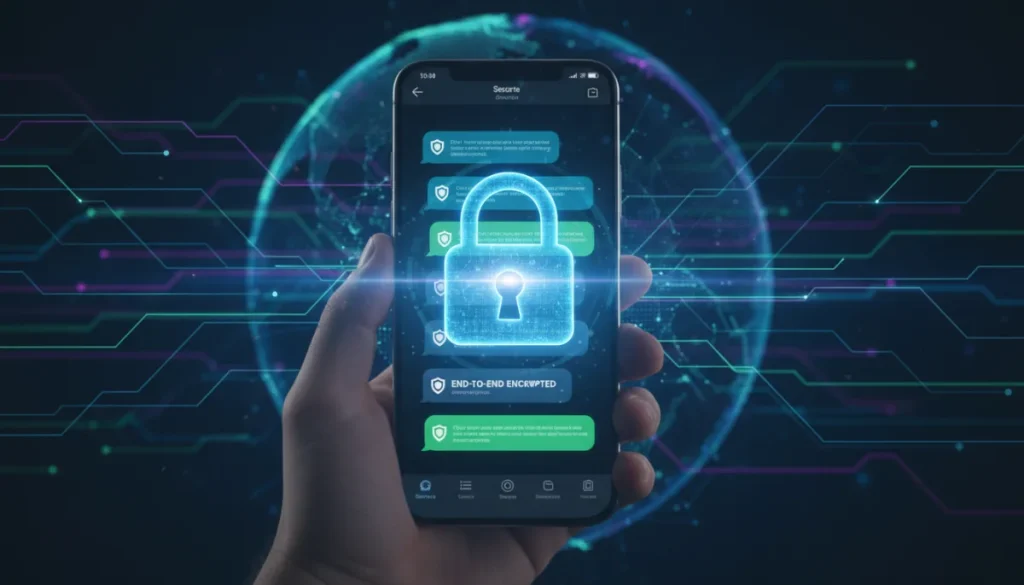
Messaging app security is paramount in today’s digital landscape, addressing critical vulnerabilities that can compromise user privacy and data integrity through robust encryption, secure protocols, and user awareness.
In an era where digital communication is the cornerstone of personal and professional interactions, understanding messaging app security: critical vulnerabilities and how to address them is no longer optional, but essential. Our daily lives are intricately woven with messaging platforms, making their security a direct reflection of our personal and sensitive data’s safety. This article delves into the intricate world of messaging app security, dissecting common vulnerabilities and offering actionable strategies to safeguard your digital conversations.
Understanding Messaging App Security Basics
Messaging applications have become indispensable tools for communication, facilitating everything from casual chats to sensitive business discussions. However, the very convenience they offer can also expose users to significant security risks if not properly understood and managed. A foundational understanding of how these apps protect (or fail to protect) your data is the first step towards securing your digital footprint.
At its core, messaging app security revolves around preventing unauthorized access to your communications. This involves various technical measures and user practices designed to maintain confidentiality, integrity, and availability of messages. Without these safeguards, your private conversations could be intercepted, altered, or even deleted by malicious actors, leading to anything from identity theft to corporate espionage.
The Role of Encryption in Messaging
Encryption is arguably the most critical component of secure messaging. It transforms your messages into an unreadable format, making them unintelligible to anyone without the correct decryption key. There are primarily two types of encryption relevant to messaging apps:
- End-to-End Encryption (E2EE): This is the gold standard, ensuring that only the sender and intended recipient can read the messages. Not even the service provider can access the content.
- Transport Layer Security (TLS): This encrypts data in transit between your device and the app’s servers, protecting against eavesdropping but allowing the service provider to potentially access message content on their servers.
While E2EE offers superior privacy, not all messaging apps implement it by default or for all types of communications (e.g., group chats, media files). Users should always verify the encryption methods employed by their preferred apps to ensure their data is adequately protected.
Understanding these fundamental security concepts empowers users to make informed decisions about which messaging apps to use and how to configure them for maximum protection. It’s a continuous learning process in an ever-evolving threat landscape.
Common Critical Vulnerabilities in Messaging Applications
Despite advancements in security technologies, messaging apps remain susceptible to a range of critical vulnerabilities. These weaknesses can be exploited by attackers to compromise user data, privacy, and even device integrity. Identifying and understanding these common vulnerabilities is crucial for both users and developers in mitigating potential risks.
Many vulnerabilities stem from complex software architectures, rapid development cycles, and the inherent challenges of securing distributed systems. Attackers constantly seek new ways to exploit these weaknesses, making continuous vigilance necessary.
Exploitable Software Bugs and Flaws
Software bugs are an inevitable part of development, but some can have severe security implications. These flaws might include:
- Buffer Overflows: Allowing attackers to write data beyond allocated memory, potentially executing malicious code.
- Injection Flaws: Such as SQL injection or command injection, where untrusted data is sent to an interpreter as part of a command or query.
- Broken Authentication: Weak or improperly implemented authentication mechanisms that allow attackers to bypass login procedures.
Regular security audits, penetration testing, and prompt patching of discovered vulnerabilities are essential for developers to minimize these risks. Users, in turn, should always keep their apps updated to the latest versions to benefit from security fixes.
Man-in-the-Middle (MitM) Attacks
A MitM attack occurs when an attacker secretly relays and possibly alters the communication between two parties who believe they are communicating directly with each other. In the context of messaging apps, this could mean an attacker intercepting messages as they travel between devices.
While strong end-to-end encryption significantly reduces the risk of MitM attacks, vulnerabilities in key exchange protocols or certificate validation can still be exploited. Users should be wary of warnings about untrusted certificates or changes in encryption keys, as these could indicate a MitM attempt.
Data Storage and Server-Side Vulnerabilities
Even with strong client-side encryption, how messaging apps handle data on their servers is critical. Many apps store metadata (e.g., sender, recipient, timestamp) or even unencrypted message content on their servers, making them potential targets for breaches.
- Insecure Server Configurations: Misconfigured servers can expose sensitive data to the public internet.
- Lack of Data Encryption at Rest: Data stored on servers without encryption can be compromised if the server is breached.
- Insider Threats: Employees with access to server data could potentially misuse it.
Developers must implement robust server-side security practices, including strong access controls, encryption of data at rest, and regular security audits. Users should also be aware of the app’s data retention policies and server-side storage practices.
These vulnerabilities highlight the complex challenges in maintaining messaging app security. A multi-layered approach, combining robust technical safeguards with informed user behavior, is necessary to effectively counter these threats.
Impact of Insecure Messaging Apps on User Privacy
The consequences of insecure messaging apps extend far beyond mere inconvenience; they can profoundly impact user privacy, leading to significant personal and financial repercussions. In an increasingly digital world, our messaging apps often hold some of our most intimate and sensitive information, making their compromise a serious threat.
When messaging app security is breached, the trust users place in these platforms is eroded, and their digital lives can be exposed to various forms of exploitation. Understanding the breadth of these impacts is crucial for appreciating the importance of robust security measures.
Exposure of Personal and Sensitive Information
A primary concern with insecure messaging apps is the potential exposure of personal and sensitive data. This can include:
- Private Conversations: Intimate details, personal opinions, and confidential discussions can be leaked.
- Financial Data: Information shared during transactions or discussions about finances can be intercepted.
- Location Data: Many apps share location, which if compromised, can reveal real-time movements.
- Identification Documents: Photos or details of IDs shared over insecure channels.
Such exposure can lead to identity theft, blackmail, or even physical harm, depending on the nature of the leaked information. The digital footprint left by these apps can be a goldmine for malicious actors if not properly secured.
Risk of Identity Theft and Fraud
When personal information, especially details like names, addresses, phone numbers, and financial data, falls into the wrong hands due to messaging app vulnerabilities, the risk of identity theft and financial fraud skyrockets. Attackers can use this information to:
- Open fraudulent accounts in your name.
- Gain access to existing financial accounts.
- Apply for loans or credit cards.
The ramifications can be long-lasting, requiring significant effort and resources to restore one’s financial and personal standing. Proactive security measures are the best defense against these devastating outcomes.
Surveillance and Data Collection by Third Parties
Beyond direct attacks, insecure messaging apps can also facilitate surveillance and data collection by third parties, including governments, marketing companies, or other entities. This can happen through:
- Weak Encryption: Allowing eavesdropping on communications.
- Metadata Collection: Even with E2EE, metadata (who, when, where) can be collected and reveal patterns of communication.
- Undisclosed Data Sharing: Apps might share user data with third parties without explicit consent or clear policies.
The erosion of privacy through surveillance can have chilling effects on freedom of speech and association. Users must be diligent in reviewing privacy policies and choosing apps that prioritize user data protection above all else.
The impact of insecure messaging apps underscores the urgent need for both developers to build robust security into their products and for users to adopt best practices in their digital communication habits. Privacy is not merely a feature; it is a fundamental right in the digital age.
Best Practices for Enhancing Messaging App Security
Given the pervasive threats to messaging app security, adopting best practices is essential for safeguarding your digital communications. Both individual users and app developers have a role to play in creating a more secure ecosystem. By implementing a combination of technical measures and informed user habits, we can significantly reduce the risk of vulnerabilities being exploited.
Security is not a one-time setup but an ongoing process that requires continuous attention and adaptation to new threats. Staying informed and proactive are key components of a robust security posture.

For Users: Practical Steps to Protect Your Data
Individual users are the first line of defense against many messaging app vulnerabilities. Simple yet effective steps can dramatically improve your security:
- Enable End-to-End Encryption: Always choose apps that offer E2EE by default and verify it’s active for your conversations.
- Use Strong, Unique Passwords: For your device and any app-specific locks. Consider a password manager.
- Enable Two-Factor Authentication (2FA): Adds an extra layer of security to your accounts, making it harder for unauthorized users to gain access.
- Keep Apps Updated: Software updates often include critical security patches.
- Be Wary of Phishing Attempts: Never click suspicious links or download attachments from unknown senders.
- Review Privacy Settings: Regularly check and adjust privacy settings to limit data sharing.
- Avoid Public Wi-Fi for Sensitive Communications: Public networks can be insecure and vulnerable to eavesdropping.
These practices, when consistently applied, form a powerful barrier against common threats, empowering users to take control of their privacy.
For Developers: Building Security into the Core
Developers bear a significant responsibility in creating secure messaging platforms. Security should be a fundamental consideration from the initial design phase through deployment and ongoing maintenance:
- Implement Robust End-to-End Encryption: Ensure E2EE is correctly implemented and verified, ideally open-source for public scrutiny.
- Secure Code Development: Adhere to secure coding guidelines, conducting regular code reviews and vulnerability assessments.
- Data Minimization: Collect and store only the data absolutely necessary for the app’s functionality.
- Regular Security Audits and Penetration Testing: Proactively identify and fix vulnerabilities before they can be exploited.
- Transparent Privacy Policies: Clearly communicate data handling practices to users.
- Incident Response Plan: Have a clear plan for detecting, responding to, and recovering from security incidents.
By embedding security deeply into their development lifecycle, developers can build trust and provide users with truly secure communication tools.
Enhancing messaging app security requires a concerted effort from both sides. When users are informed and developers are committed to security-by-design, the digital communication landscape becomes a safer place for everyone.
Advanced Security Features and Emerging Technologies
As cyber threats evolve, so too must the security measures employed by messaging apps. Advanced security features and emerging technologies are continually being developed to offer more robust protection against sophisticated attacks. Staying abreast of these innovations is key for anyone serious about digital privacy and security.
These advanced solutions often leverage cutting-edge cryptography, AI, and distributed ledger technologies to create layers of defense that go beyond basic encryption. They aim to address not only current vulnerabilities but also anticipate future threats.
Quantum-Resistant Cryptography
The advent of quantum computing poses a potential long-term threat to current encryption standards. Quantum computers could theoretically break many of the cryptographic algorithms widely used today. In response, researchers are developing quantum-resistant (or post-quantum) cryptography.
- Lattice-Based Cryptography: Utilizes mathematical problems believed to be hard for quantum computers.
- Hash-Based Signatures: Offers strong security against quantum attacks for digital signatures.
- Code-Based Cryptography: Relies on error-correcting codes.
While still in its early stages of standardization and deployment, messaging apps that begin to integrate quantum-resistant algorithms will be better prepared for a future where quantum computing is a reality.
Decentralized Messaging Protocols
Traditional messaging apps often rely on centralized servers, which can be single points of failure and attractive targets for attackers. Decentralized messaging protocols aim to mitigate this by distributing data across a network, making it harder to compromise.
- Blockchain Technology: Can be used to manage identities, keys, and message routing in a distributed manner.
- Peer-to-Peer (P2P) Networks: Allows direct communication between users without a central server, enhancing privacy and resistance to censorship.
Decentralization offers significant advantages in terms of resilience and resistance to surveillance, as there is no central authority to compel data disclosure. However, it also presents challenges in terms of scalability and user experience that developers are actively working to overcome.
Secure Enclaves and Hardware-Based Security
Modern devices often include hardware-based security features, such as secure enclaves, which are isolated areas on a processor designed to protect sensitive data and operations. Messaging apps can leverage these features to enhance security:
- Key Storage: Storing encryption keys within a secure enclave makes them extremely difficult to extract, even if the main operating system is compromised.
- Biometric Authentication: Using hardware-backed fingerprint or facial recognition for app access adds a robust layer of security.
By utilizing these hardware-level protections, messaging apps can create a more secure environment for cryptographic operations and sensitive user data, further bolstering their overall security posture against sophisticated attacks.
The continuous development and integration of these advanced security features are vital for keeping messaging apps ahead of evolving threats. A proactive approach to adopting new technologies ensures that digital communications remain private and secure in the long term.
Regulatory Landscape and Compliance in Messaging Security
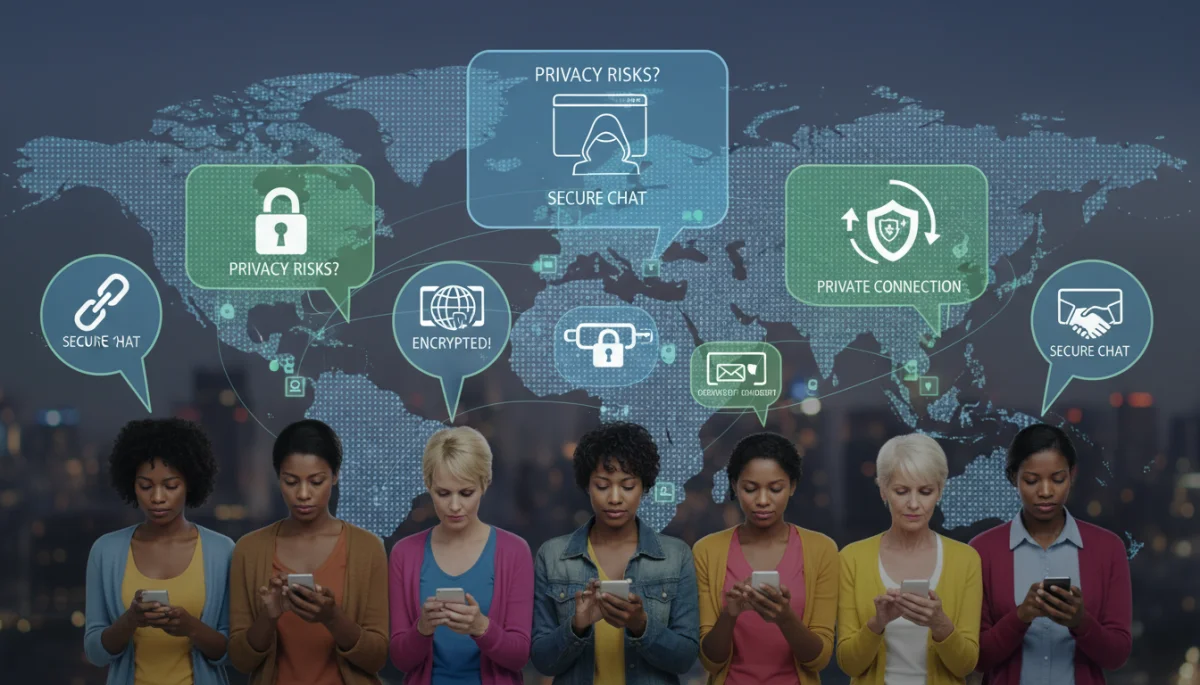
The increasing focus on data privacy and security has led to a complex and evolving regulatory landscape impacting messaging app providers globally. Compliance with these regulations is not just a legal obligation but also a crucial aspect of building user trust and ensuring robust security practices. Understanding these frameworks is essential for both developers and users.
Regulations like GDPR, CCPA, and others aim to give individuals more control over their personal data, imposing strict requirements on how companies collect, process, and store user information. Messaging apps, by their very nature, handle vast amounts of personal data, making them prime targets for regulatory scrutiny.
Key Data Protection Regulations
Several prominent regulations dictate how messaging apps must handle user data:
- General Data Protection Regulation (GDPR) in the EU: Requires explicit consent for data processing, mandates data breach notifications, and grants users rights like data access and erasure.
- California Consumer Privacy Act (CCPA) in the US: Provides California residents with rights regarding their personal information, including the right to know what data is collected and to opt-out of its sale.
- HIPAA (Health Insurance Portability and Accountability Act) in the US: Specific to healthcare data, requiring stringent security measures for apps handling protected health information.
- Children’s Online Privacy Protection Act (COPPA) in the US: Regulates online collection of personal information from children under 13.
Compliance with these regulations often necessitates implementing robust encryption, access controls, and clear, transparent privacy policies. Non-compliance can lead to significant fines and reputational damage.
Challenges in Achieving Global Compliance
One of the biggest challenges for messaging app providers is navigating the patchwork of global regulations. What is compliant in one region may not be in another, leading to:
- Jurisdictional Conflicts: Different laws applying to the same user data depending on where the user or server is located.
- Varying Definitions of Personal Data: What constitutes ‘personal data’ can differ, complicating data handling strategies.
- Implementation Complexity: Building systems that can dynamically adapt to various regulatory requirements is resource-intensive.
Developers must often adopt the highest common denominator of privacy standards to ensure broad compliance, or implement geo-specific data handling practices.
The Role of Transparency and User Consent
At the heart of many data protection regulations is the principle of transparency and user consent. Messaging apps are increasingly required to:
- Clearly Articulate Data Practices: Explain in plain language what data is collected, why, and how it’s used.
- Obtain Explicit Consent: For certain data processing activities, particularly for sensitive information.
- Provide Easy-to-Understand Privacy Controls: Empower users to manage their data and privacy settings.
By fostering transparency and empowering users, messaging apps can build trust, which is invaluable in an industry where privacy concerns are paramount. Compliance is not just about avoiding penalties; it’s about respecting user rights and fostering a secure digital environment.
Future Outlook: Evolving Threats and Proactive Defenses
The landscape of messaging app security is dynamic, constantly shaped by the interplay of evolving cyber threats and the development of proactive defense mechanisms. As technology advances and user reliance on digital communication grows, so too do the sophistication and frequency of attacks. Looking ahead, it’s clear that a continuous cycle of innovation and vigilance will be necessary to maintain secure messaging platforms.
The future will demand more than just reactive patching; it will require a forward-thinking approach to security, integrating new paradigms and anticipating emerging vulnerabilities before they can be exploited.
Emerging Threat Vectors
Several emerging threat vectors are poised to challenge the security of messaging apps in the coming years:
- AI-Powered Attacks: Malicious AI could be used to generate highly convincing phishing messages, deepfake audio/video for social engineering, or even automate vulnerability discovery.
- Supply Chain Attacks: Compromising a component or library used by a messaging app could introduce vulnerabilities at a fundamental level.
- Side-Channel Attacks: Exploiting information leaked by the physical implementation of a cryptographic system (e.g., power consumption, timing) to extract secret keys.
- Post-Quantum Cryptography Challenges: The transition to quantum-resistant encryption will itself be a complex process, potentially introducing new vulnerabilities if not handled carefully.
These threats highlight the need for more sophisticated detection and prevention mechanisms that can adapt to increasingly intelligent and subtle attack methods.
The Role of Behavioral Analytics and AI in Security
Artificial intelligence and machine learning are becoming indispensable tools in enhancing messaging app security. They can be used for:
- Anomaly Detection: Identifying unusual patterns of behavior that might indicate a compromised account or a phishing attempt.
- Threat Intelligence: Analyzing vast amounts of data to predict and identify new threats and attack vectors.
- Automated Vulnerability Scanning: AI can rapidly scan codebases for potential security flaws, accelerating the development of patches.
- Spam and Malware Detection: More effectively filtering out unwanted and malicious content before it reaches users.
By leveraging AI, messaging apps can move towards more proactive and predictive security models, rather than relying solely on reactive measures.
User Education and Digital Literacy
Ultimately, the human element remains a critical factor in messaging app security. No matter how robust the technical safeguards, a lack of user awareness can undermine even the strongest defenses. Future security strategies must heavily emphasize:
- Continuous User Education: Informing users about new threats, best practices, and the importance of privacy.
- Promoting Digital Literacy: Equipping users with the skills to critically evaluate information, identify scams, and manage their online presence securely.
- Intuitive Security Features: Designing security settings and features that are easy for users to understand and configure.
Empowering users with knowledge and tools is paramount. A well-informed user base acts as a crucial layer of defense, making the entire messaging ecosystem more resilient against current and future threats.
The future of messaging app security is a collaborative effort. By combining cutting-edge technology, robust regulatory frameworks, and an educated user base, we can strive towards a future where digital communications are both seamless and inherently secure.
| Key Point | Brief Description |
|---|---|
| End-to-End Encryption | Crucial for ensuring only sender and receiver can read messages, protecting against interception. |
| Common Vulnerabilities | Includes software bugs, MitM attacks, and insecure server-side data storage practices. |
| User Best Practices | Enable 2FA, use strong passwords, keep apps updated, and be wary of phishing attempts. |
| Regulatory Compliance | Adherence to GDPR, CCPA, and similar laws is vital for data protection and user trust. |
Frequently Asked Questions About Messaging App Security
E2EE ensures that only the sender and intended recipient can read messages, meaning not even the messaging app provider can access the content. It’s crucial because it protects your conversations from interception by third parties, guaranteeing maximum privacy and confidentiality for your digital communications.
Look for apps that explicitly state they use end-to-end encryption by default for all communications. Check their privacy policy for transparency regarding data handling, storage, and sharing. Also, consider apps with open-source code, allowing security experts to audit their implementations for vulnerabilities and trustworthiness.
The biggest risks include exposure of personal conversations, sensitive data leaks, identity theft, and financial fraud. Insecure apps can also make you vulnerable to surveillance by third parties, compromising your overall digital privacy and security across various aspects of your life.
Always enable two-factor authentication (2FA), use strong and unique passwords, and keep your apps updated to the latest versions. Be cautious of suspicious links or messages (phishing) and regularly review your app’s privacy settings to ensure they align with your desired level of data protection.
Regulations like GDPR impose strict requirements on messaging apps regarding data collection, processing, and user consent. They mandate robust security measures, transparent privacy policies, and give users rights over their data. This encourages apps to implement stronger security and privacy by design to avoid significant penalties.
Conclusion
Navigating the complex world of messaging app security requires a concerted effort from both developers and users. As our reliance on digital communication deepens, understanding and addressing critical vulnerabilities becomes paramount. By prioritizing end-to-end encryption, implementing robust security practices, staying informed about emerging threats, and adhering to data protection regulations, we can collectively build a more secure and private digital communication landscape. Ultimately, safeguarding our conversations is not just about protecting data; it’s about preserving our privacy and trust in the digital age.
