Beyond Text: Innovative Multimedia Messaging for Social Circles
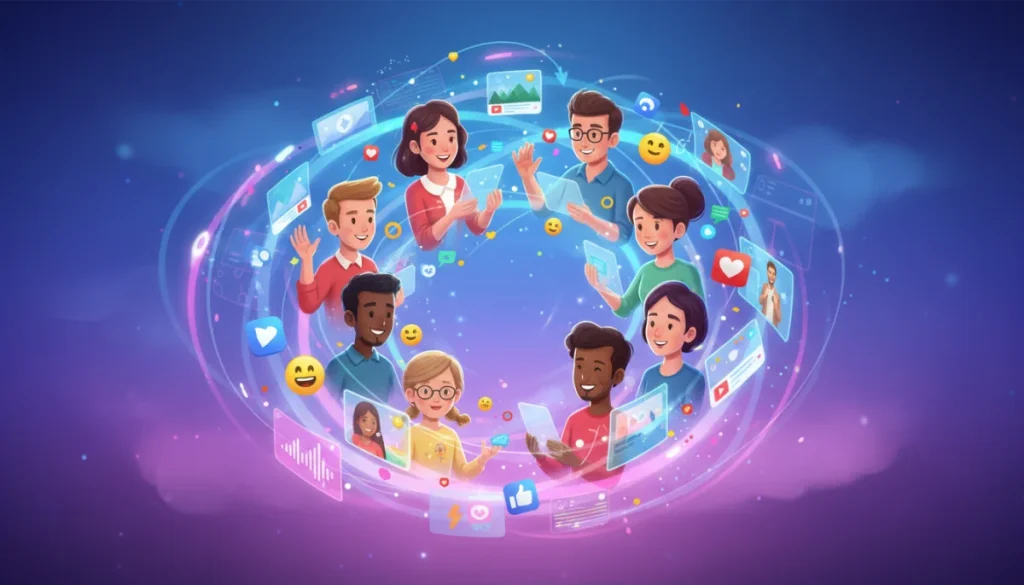
Social circles are transcending traditional text by adopting innovative multimedia messaging, leveraging rich media to enhance personal connections and communication experiences across digital platforms.
In an age where digital connection is paramount, social circles are rapidly evolving their communication habits. The shift beyond text: innovative ways social circles are using multimedia messaging is not just a trend; it’s a fundamental transformation in how we interact. From quick photo shares to immersive augmented reality experiences, multimedia is redefining the landscape of personal communication, making interactions richer, more expressive, and deeply personal.
The Evolution of Digital Communication
Digital communication has come a long way from simple text messages. What started as a utilitarian tool for conveying information has blossomed into a sophisticated ecosystem where expression takes center stage. This evolution reflects a deeper human need to connect on more profound levels, using tools that mirror the richness of face-to-face interactions.
Early messaging platforms were revolutionary in their ability to bridge distances, but they were inherently limited. The constraints of character counts and the absence of visual cues often led to misunderstandings or a lack of emotional depth. As technology advanced, so did our expectations. The introduction of emojis, then images, and eventually video, marked significant milestones in this journey.
From Emojis to Rich Media
Emojis were the first step in adding emotional nuance to text. These small pictograms quickly became a universal language, capable of conveying feelings and reactions that words alone often struggled to capture. Their widespread adoption paved the way for more complex forms of multimedia.
- Animated GIFs: Short, looping videos that inject humor and context.
- Voice Notes: Personal and immediate, allowing for tone and inflection.
- High-Resolution Photos: Capturing moments with vivid detail and sharing experiences.
- Short-Form Videos: Dynamic storytelling, perfect for quick updates or reactions.
The transition from simple text to rich media was driven by user demand for more expressive and efficient communication. People wanted to share not just information, but experiences and emotions, in a way that felt authentic and immediate. This demand pushed developers to integrate more multimedia capabilities into their platforms, making them indispensable tools for modern social circles.
The journey of digital communication showcases a continuous drive towards more immersive and intuitive ways to connect. Each technological leap has brought us closer to replicating the richness of real-world interactions, making our digital conversations feel more human and engaging.
Visual Storytelling: Photos and Videos as the New Language
In today’s social circles, a picture is truly worth a thousand words, and a video even more. Photos and videos have transcended their role as mere attachments to become the primary mode of communication for many. This visual language allows for instant sharing of experiences, emotions, and personal narratives, fostering a sense of presence even when physically apart.
The immediacy and impact of visual content make it incredibly powerful. Instead of describing a beautiful sunset, one can simply snap a photo. Rather than recounting a funny incident, a short video captures the moment perfectly. This shift has profound implications for how social bonds are formed and maintained in the digital sphere.
Ephemeral Content and Shared Experiences
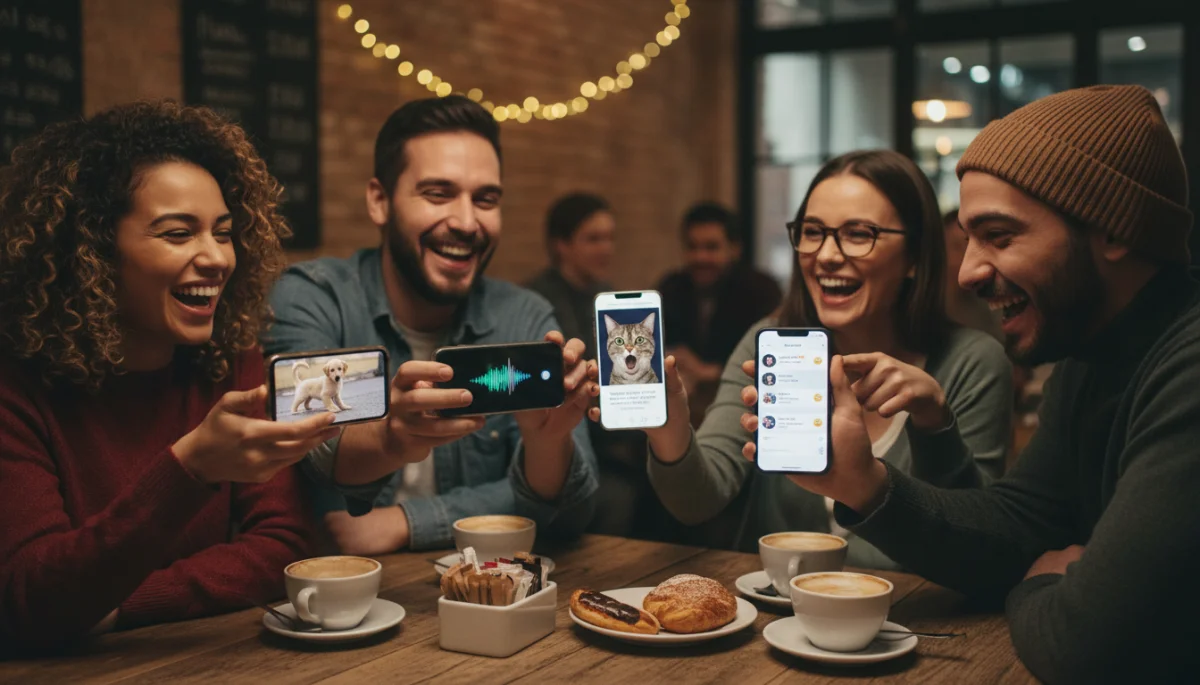
One of the most popular forms of visual storytelling is ephemeral content, such as Instagram Stories or Snapchat snaps. These short-lived photos and videos encourage spontaneous sharing without the pressure of permanence. They create a sense of urgency and exclusivity, making recipients feel more connected to the moment being shared.
- Real-time updates: Sharing what you’re doing as it happens.
- Behind-the-scenes glimpses: Offering unfiltered views of daily life.
- Interactive elements: Polls, quizzes, and questions that engage viewers directly.
This type of communication thrives on authenticity and immediacy, allowing social circles to share snippets of their lives without overthinking the content. It’s a raw, unedited form of storytelling that strengthens bonds through shared, fleeting experiences.
The prevalence of visual storytelling has also led to a rise in creativity, with users employing various filters, effects, and editing tools to enhance their messages. This creative expression adds another layer of personality to digital interactions, making each message unique and memorable. The ability to craft and share visually compelling narratives has become a key skill in modern social communication.
The Rise of Interactive and Immersive Experiences
Moving beyond passive viewing, social circles are now embracing interactive and immersive multimedia features that transform communication into a dynamic, participatory experience. These innovations allow users to not just observe, but actively engage with content and with each other, blurring the lines between digital and physical interaction.
The goal is to create a sense of shared space and activity, even when individuals are geographically separated. This push towards interactivity is driven by advancements in augmented reality (AR), virtual reality (VR), and real-time collaborative tools, all integrated seamlessly into popular messaging platforms.
Augmented Reality Filters and Games
AR filters, initially a novelty, have become a staple in multimedia messaging. These filters overlay digital elements onto the real world, transforming faces, adding playful animations, and even creating entire virtual environments. They offer a fun and creative way to express oneself and engage with friends.
- Face filters: Changing appearances for humorous or artistic effect.
- World lenses: Placing 3D objects into real-world surroundings.
- AR games: Interactive experiences shared within a chat, fostering friendly competition.
Beyond simple filters, some platforms are integrating AR games directly into video calls, allowing friends to play together in a shared virtual space. This adds a new dimension to communication, making interactions more playful and memorable.
Furthermore, interactive polls and quizzes embedded within multimedia messages allow for instant feedback and collective decision-making, fostering a sense of community and shared participation. These tools move communication beyond one-way broadcasting to a more democratic and engaging dialogue.
Voice and Audio: Reclaiming the Intimacy of Sound
While visual media often dominates the conversation, audio communication is experiencing a significant resurgence, offering a level of intimacy and nuance that text and even video can sometimes miss. Voice notes, audio clips, and even integrated podcast-like features are becoming increasingly popular within social circles, providing a richer, more personal way to connect.
The beauty of audio lies in its ability to convey tone, emotion, and personality that text simply cannot. A voice note can express empathy, excitement, or sarcasm in a way that written words often fail to do, reducing misunderstandings and deepening emotional connection.
Voice Notes and Audio Snippets
Voice notes have become a go-to for many, offering the convenience of asynchronous communication with the personal touch of a phone call. They are particularly useful for longer explanations, quick reactions, or when typing is inconvenient.
- Personalized greetings: Sending a heartfelt message in your own voice.
- Detailed explanations: Easier to articulate complex ideas verbally.
- Multitasking convenience: Recording a message while doing other activities.
Beyond simple voice notes, some platforms are exploring features like short audio snippets that can be embedded into messages, or even collaborative audio spaces where groups can drop in and out of conversations. This mimics the spontaneity of real-life conversations, making digital interactions feel more natural and less formal.
The rise of audio also aligns with the growing popularity of podcasts and audio content consumption. People are accustomed to absorbing information and entertainment through sound, and this preference is naturally extending to their personal communications. Audio offers a hands-free, eyes-free communication option, fitting seamlessly into busy lifestyles.
Collaborative Tools and Shared Digital Spaces
Social circles are not just about sharing; they’re about doing things together. Modern multimedia messaging platforms are increasingly integrating collaborative tools that allow friends and family to co-create, plan, and experience things in shared digital spaces. This moves communication from simply talking about activities to actively engaging in them together, regardless of physical location.
These collaborative features are particularly valuable for groups planning events, working on shared projects, or simply enjoying entertainment together. They transform a messaging app from a communication channel into a hub for collective action and shared experiences.
Shared Whiteboards and Co-watching Features
Imagine planning a trip with friends, not just by sending text messages, but by collaboratively sketching out itineraries on a shared digital whiteboard within your chat. Or watching a movie simultaneously with friends, commenting and reacting in real-time within the same app.

- Interactive planning: Jointly creating schedules, to-do lists, or mind maps.
- Co-browsing: Exploring websites or shopping together in sync.
- Shared media queues: Curating playlists or video lists as a group.
These features enhance the feeling of togetherness, making remote interactions feel more substantial and engaging. They allow social circles to maintain their collective identity and pursue shared interests, even when physical proximity is not possible. The ability to seamlessly switch between communication and collaboration within the same interface is a game-changer for digital social dynamics.
The integration of these tools reflects a broader trend towards making digital spaces more functional and integrated into our daily lives. Messaging apps are no longer just for quick chats; they are becoming comprehensive platforms for managing and enriching our social lives.
Privacy, Security, and Ethical Considerations
As multimedia messaging becomes more pervasive and sophisticated, the importance of privacy, security, and ethical considerations grows exponentially. The sheer volume and sensitivity of personal information shared through photos, videos, voice notes, and location data necessitate robust protections. Social circles, while eager to embrace new communication methods, are increasingly aware of the risks involved and demand transparency and control over their data.
The challenge for developers is to innovate while simultaneously building trust and ensuring the well-being of their users. Balancing cutting-edge features with fundamental rights to privacy is paramount in the evolving landscape of digital communication.
End-to-End Encryption and Data Control
End-to-end encryption (E2EE) has become a non-negotiable feature for many users, particularly for sensitive multimedia content. E2EE ensures that only the sender and intended recipient can read messages, safeguarding them from interception by third parties, including the service provider itself.
- Confidentiality: Protecting private conversations from prying eyes.
- Data minimization: Platforms collecting only essential user data.
- User control: Allowing users to manage who sees their content and for how long.
Beyond encryption, platforms are also implementing features that give users more granular control over their data, such as disappearing messages, screenshot notifications, and robust privacy settings. These tools empower users to decide the longevity and visibility of their multimedia communications, adding a layer of security and peace of mind.
Ethical considerations extend to the responsible use of AI in features like content moderation and personalized recommendations. Developers must ensure that these technologies enhance user experience without infringing on privacy or perpetuating biases. Open communication about data practices and a commitment to user-centric privacy policies are crucial for maintaining trust in the digital age.
The Future of Multimedia Messaging in Social Circles
The trajectory of multimedia messaging indicates a future where communication is even more integrated, intuitive, and immersive. Social circles will continue to push the boundaries of how they connect, driven by technological advancements and an innate desire for richer, more authentic interactions. The innovations we see today are merely a glimpse into what’s to come, promising a landscape where digital communication mirrors the complexity and beauty of human connection.
The focus will likely shift towards more seamless integration of various media types, blurring the lines between different forms of communication. Imagine a world where a single message can dynamically adapt to include text, a relevant video clip, an interactive poll, and a voice note, all within a fluid, personalized experience tailored to the recipient’s preferences.
Hyper-Personalized and Adaptive Communication
Future messaging platforms might leverage AI to understand user preferences and context, offering hyper-personalized communication experiences. This could involve suggesting the best medium for a message (e.g., voice note for a complex explanation, video for a quick reaction) or even dynamically composing multimedia elements based on user input.
- AI-driven content suggestions: Recommending relevant GIFs, stickers, or even short video clips.
- Contextual communication modes: Automatically switching to a video call if a text conversation becomes too complex.
- Cross-platform integration: Seamlessly transitioning conversations between different devices and platforms.
Furthermore, the integration of haptic feedback and advanced sensory experiences could add another layer to multimedia messaging, allowing users to ‘feel’ elements of a message. This could range from subtle vibrations accompanying an emoji to more complex tactile sensations that enhance immersive experiences.
The ultimate goal is to create a digital communication environment that feels as natural and uninhibited as face-to-face interaction, while leveraging the unique advantages of technology. As social circles continue to innovate and adapt, multimedia messaging will remain at the forefront of shaping how we connect, share, and experience the world together.
| Key Aspect | Brief Description |
|---|---|
| Visual Storytelling | Photos and videos have become the primary language for sharing experiences and emotions. |
| Interactive Experiences | AR filters, games, and polls foster dynamic engagement within social circles. |
| Audio Intimacy | Voice notes and audio snippets offer personal, nuanced communication. |
| Collaborative Tools | Shared whiteboards and co-watching enable collective activities in digital spaces. |
Frequently Asked Questions About Multimedia Messaging
Social circles are leveraging multimedia messaging for interactive experiences like AR filters and games, collaborative planning with shared whiteboards, sending expressive voice notes, and co-watching content. This moves beyond static image sharing to dynamic, engaging interactions that deepen connections.
Voice notes offer a more personal and intimate form of communication, conveying tone, emotion, and nuance that text often misses. They’re also convenient for longer explanations or when typing is difficult, making communication more efficient and expressive.
AR features, such as face filters and world lenses, add a playful and creative dimension to communication. They allow users to express themselves uniquely, share humorous moments, and even engage in interactive games, making digital interactions more dynamic and memorable.
Collaborative tools transform messaging apps into shared digital spaces for collective action. Features like shared whiteboards and co-watching enable friends to plan events, work on projects, or enjoy entertainment together, fostering a sense of togetherness despite physical distance.
Key privacy concerns include data security, the potential for unauthorized access to sensitive content, and user control over shared information. End-to-end encryption, robust privacy settings, and transparent data policies are crucial for addressing these concerns and building user trust.
Conclusion
The journey of communication beyond text: innovative ways social circles are using multimedia messaging signifies a profound evolution in how we connect. From the expressive power of visual storytelling to the intimacy of voice, and the shared experiences enabled by collaborative tools, multimedia messaging is continually enriching our digital interactions. As technology advances, we can anticipate even more integrated, intuitive, and immersive ways for social circles to communicate, fostering deeper bonds and more authentic connections in an increasingly digital world. The future promises a blend of innovation and personalization, making every digital interaction a truly unique experience.
