Optimizing Your Smart Home for Utility Savings: A Guide
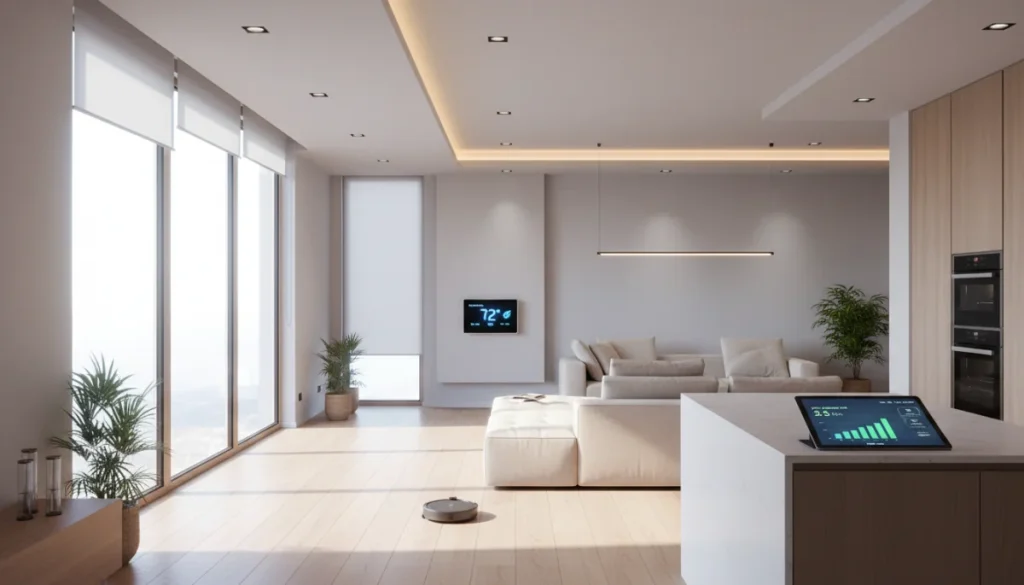
Optimizing your smart home for utility savings involves strategically deploying smart devices like thermostats, lighting, and appliances to automate energy consumption, significantly lowering household utility bills.
Are you looking to trim down those ever-increasing utility bills? The answer might be right in your living room. By embracing the power of smart technology, you can start optimizing your smart home for utility savings, transforming your residence into a beacon of energy efficiency.
Understanding the Core of Smart Home Energy Efficiency
The concept of a smart home often conjures images of convenience and futuristic living. However, beyond the gadgets and voice commands lies a powerful potential for significant energy savings. At its core, smart home energy efficiency is about gaining granular control over your home’s energy consumption, often through automation and data-driven insights.
Traditional homes operate on a reactive basis, where energy is consumed without much thought until the bill arrives. Smart homes, conversely, are proactive. They learn your habits, respond to environmental changes, and allow you to manage devices remotely, ensuring energy is used only when and where it’s truly needed. This shift from reactive to proactive management is what fundamentally drives utility savings.
Integrating smart devices creates an ecosystem where various components communicate, sharing data that informs better energy decisions. For instance, a smart thermostat can coordinate with smart window blinds to manage indoor temperature more effectively, reducing the load on your HVAC system. This interconnectedness is key to unlocking the full potential of energy efficiency in a modern home.
Ultimately, understanding smart home energy efficiency means recognizing that it’s not just about installing smart devices, but about creating an intelligent, responsive system that actively works to minimize wasted energy. This holistic approach ensures that every watt is utilized efficiently, leading to noticeable reductions in your utility expenses.
Smart Thermostats: The Cornerstone of HVAC Savings
When it comes to optimizing your smart home for utility savings, smart thermostats are arguably the most impactful device. Heating and cooling typically account for the largest portion of a household’s energy bill, making intelligent control over these systems paramount for cost reduction.
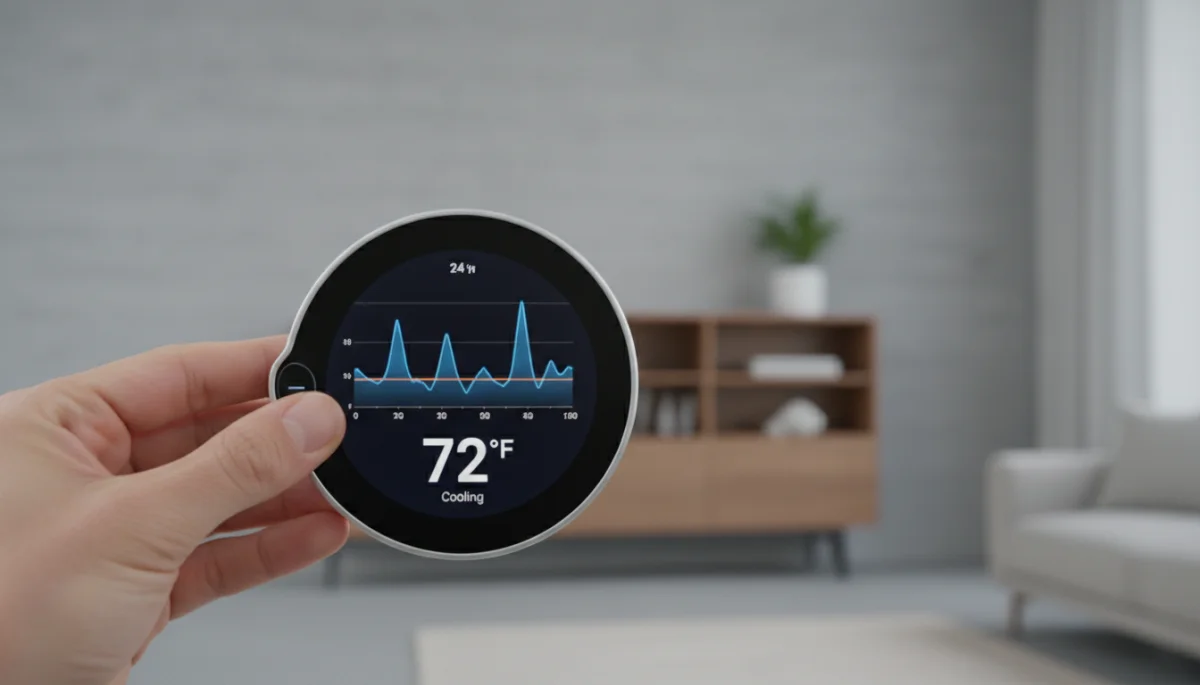
Unlike their traditional counterparts, smart thermostats learn your daily routines and preferences, automatically adjusting temperatures to maximize comfort while minimizing energy waste. They can detect when you’re away and adjust the temperature accordingly, ensuring you’re not heating or cooling an empty house. Many models also offer geofencing capabilities, which use your smartphone’s location to determine if you’re home or away, further refining temperature control.
Key Features for Maximum Savings
- Learning Algorithms: These thermostats adapt to your schedule, optimizing heating and cooling cycles.
- Remote Control: Adjust settings from anywhere via a smartphone app, preventing unnecessary energy use.
- Energy Reports: Gain insights into your energy consumption patterns, identifying areas for further improvement.
The ability to integrate with other smart home platforms also enhances their effectiveness. For example, some smart thermostats can connect with smart vents, allowing for zone-specific heating and cooling, which is particularly beneficial in larger homes or those with inconsistent temperatures. This precision ensures that energy is directed only where it’s needed, preventing the wasteful heating or cooling of unoccupied rooms.
In conclusion, a smart thermostat is more than just a convenience; it’s a strategic investment for anyone serious about cutting utility costs. Its ability to learn, adapt, and provide detailed energy insights makes it an indispensable tool in the quest for a more energy-efficient home.
Intelligent Lighting Solutions for Reduced Electricity Bills
Beyond heating and cooling, lighting represents another significant area where optimizing your smart home for utility savings can yield substantial results. Traditional lighting is often left on unnecessarily, consuming power even when a room is empty. Smart lighting systems offer a dynamic and energy-efficient alternative.
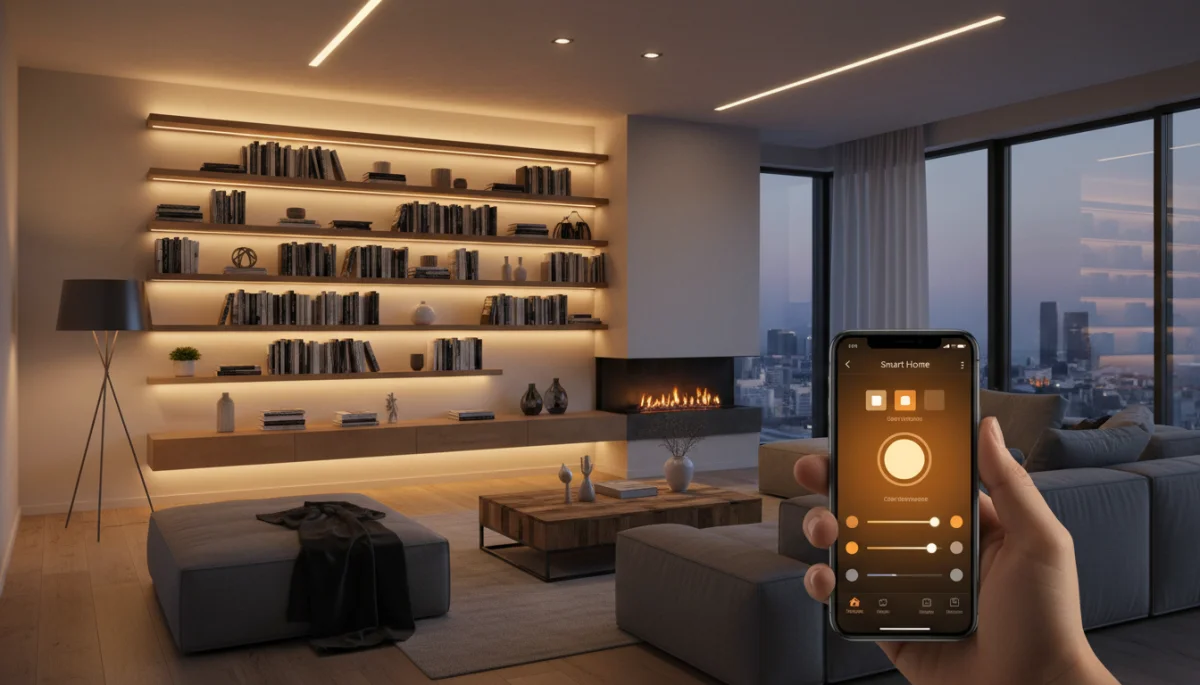
Smart bulbs and fixtures, typically LED-based, are inherently more energy-efficient than incandescent or even CFL bulbs. However, their true savings potential comes from their intelligence. They can be controlled remotely, scheduled to turn on and off at specific times, and even integrate with motion sensors to ensure lights are only active when someone is present.
Advanced Features for Energy Conservation
Smart lighting goes beyond simple on/off control. Many systems offer dimming capabilities, allowing you to reduce brightness and, consequently, energy consumption when full illumination isn’t required. Color temperature adjustments can also contribute to comfort and productivity, though their direct impact on energy savings is less pronounced than dimming or scheduling.
- Occupancy Sensors: Lights automatically turn off when a room is vacant, eliminating wasted energy.
- Scheduling: Program lights to operate only during specific hours, aligning with natural daylight and occupancy.
- Daylight Harvesting: Some advanced systems can detect natural light levels and adjust artificial lighting accordingly.
The integration of smart lighting with other smart home devices further enhances its efficiency. For example, a smart home hub can coordinate lighting with your alarm system, turning off all lights when you leave the house and arm the security system. This level of automation ensures no light is left burning unnecessarily.
By implementing intelligent lighting solutions, homeowners can significantly reduce their electricity consumption, enjoying both lower bills and the convenience of modern lighting control. The initial investment in smart bulbs and hubs is quickly recouped through long-term energy savings.
Smart Plugs and Appliances: Eliminating Phantom Load
The concept of ‘phantom load’ or ‘vampire drain’ refers to the electricity consumed by electronics even when they are turned off but still plugged in. This often-overlooked energy drain can account for a surprising percentage of your overall utility bill. This is where smart plugs and smart appliances become invaluable for optimizing your smart home for utility savings.
Smart plugs allow you to remotely control the power supply to any device plugged into them. This means you can easily cut power to electronics that are notorious for phantom load, such as televisions, computer monitors, and chargers, when they’re not in use. They can also be scheduled to turn on and off, ensuring devices are only powered during active use periods.
Maximizing Savings with Smart Plugs
Consider grouping devices that are often used together, such as an entertainment system, onto a single smart plug. This allows you to power down multiple devices with one command or schedule. For appliances that don’t need to be constantly on, like coffee makers or slow cookers, smart plugs offer both convenience and energy savings by allowing you to schedule their operation.
Smart appliances, on the other hand, come with built-in intelligence that directly contributes to energy efficiency. Smart refrigerators, for instance, can optimize defrost cycles based on usage patterns, while smart washing machines and dishwashers can often run during off-peak hours when electricity rates are lower, if your utility provider offers time-of-use billing.
- Remote Power Cutoff: Turn off devices from anywhere, preventing phantom load.
- Scheduled Operation: Automate power to appliances, ensuring they run only when needed.
- Energy Monitoring: Some smart plugs provide data on individual device consumption, highlighting energy hogs.
By strategically deploying smart plugs and investing in energy-efficient smart appliances, homeowners can effectively combat phantom load and gain greater control over their electricity consumption, leading to tangible utility bill reductions.
Advanced Energy Monitoring and Analytics
While individual smart devices contribute significantly to savings, the true power of optimizing your smart home for utility savings lies in comprehensive energy monitoring and analytics. Understanding exactly where and how energy is being consumed is the first step toward making informed decisions for further reductions.
Smart home energy monitors connect to your home’s electrical panel, providing real-time data on your entire household’s electricity usage. This data is then typically displayed in a user-friendly app, allowing you to see consumption trends, identify peak usage times, and even pinpoint specific appliances that are drawing the most power. Some advanced systems can even break down consumption by individual circuits.
Leveraging Data for Smarter Choices
The insights gained from energy monitoring are invaluable. For example, if you notice a significant spike in electricity usage during certain hours, you can investigate which devices are responsible and adjust their operation or schedule. This data-driven approach moves beyond guesswork, providing concrete evidence to guide your energy-saving efforts.
Many smart home ecosystems also offer integrated analytics, compiling data from various smart devices – thermostats, lighting, plugs – to present a holistic view of your home’s energy footprint. This allows for a more coordinated strategy, where changes in one area can be seen in the context of overall consumption.
- Real-time Usage Data: See electricity consumption as it happens, fostering immediate awareness.
- Historical Trends: Analyze past usage to identify patterns and track progress over time.
- Anomaly Detection: Receive alerts for unusual energy spikes, potentially indicating a problem or inefficient operation.
By embracing advanced energy monitoring and analytics, homeowners can transform their approach to utility management from passive observation to active, informed optimization, leading to sustained and significant savings.
Integrating Renewable Energy and Smart Home Systems
For those looking to take their utility savings to the next level, integrating renewable energy sources with a smart home system offers a powerful synergy. Optimizing your smart home for utility savings can extend beyond simply reducing consumption to generating your own power, further diminishing reliance on the grid and its associated costs.
Solar panels are the most common form of residential renewable energy. When combined with a smart home, the benefits are amplified. Smart energy management systems can prioritize the use of self-generated solar power during peak demand times, or even store excess energy in smart batteries for later use. This intelligent distribution ensures that every watt of renewable energy is utilized efficiently.
Smart Energy Storage and Grid Interaction
Battery storage systems, integrated with smart home platforms, allow homeowners to store surplus solar energy generated during the day and discharge it during the evening when grid electricity rates are typically higher. This “time-shifting” of energy consumption can lead to substantial savings, especially in areas with time-of-use billing.
Furthermore, some smart home systems can interact with the utility grid, participating in demand response programs. During periods of high grid demand, these systems can automatically reduce your home’s energy consumption or even feed stored energy back into the grid, often in exchange for financial incentives. This makes your home an active participant in energy management, not just a consumer.
- Optimized Self-Consumption: Prioritize using self-generated renewable energy.
- Battery Management: Intelligently store and discharge energy to minimize grid dependence.
- Demand Response Participation: Earn credits or save money by adjusting consumption during peak grid times.
The convergence of renewable energy and smart home technology represents the pinnacle of utility savings, offering not only reduced bills but also increased energy independence and a smaller carbon footprint.
Future-Proofing Your Home for Continuous Savings
The landscape of smart home technology is constantly evolving, with new devices and integration capabilities emerging regularly. To ensure continuous optimizing your smart home for utility savings, it’s crucial to adopt a future-proofing mindset. This involves selecting devices and platforms that are adaptable, scalable, and compatible with emerging standards.
Investing in a robust and flexible smart home hub is a key step. A good hub acts as the central brain of your system, allowing various devices from different manufacturers to communicate and work together seamlessly. Opt for hubs that support multiple communication protocols (e.g., Zigbee, Z-Wave, Wi-Fi, Thread) to ensure broad compatibility with current and future devices.
Embracing Open Standards and Updates
As the smart home industry matures, there’s a growing emphasis on open standards like Matter, which aims to create a more unified and interoperable ecosystem. Prioritizing devices that support such standards will ensure your smart home remains functional and expandable for years to come. Regular software updates for your smart devices and hub are also vital, as they often introduce new features, improve efficiency, and enhance security.
Consider the modularity of your smart home setup. Instead of committing to a single brand for every device, build a system that allows you to integrate components from various manufacturers, choosing the best-of-breed for each function. This flexibility enables you to upgrade individual components as better, more energy-efficient alternatives become available, without overhauling your entire system.
- Interoperable Devices: Choose products compatible with open standards and various protocols.
- Scalable Systems: Select a smart home hub that can grow with your needs and integrate new technologies.
- Regular Updates: Keep all smart devices and software updated to benefit from efficiency improvements and new features.
By thoughtfully planning and regularly updating your smart home infrastructure, you can ensure that your efforts to save on utilities remain effective and adaptable to future technological advancements, securing long-term benefits.
| Key Aspect | Benefit for Utility Savings |
|---|---|
| Smart Thermostats | Automates HVAC, learns habits, and offers remote control for significant heating/cooling savings. |
| Smart Lighting | Reduces electricity use through scheduling, occupancy sensors, and dimming features. |
| Smart Plugs | Eliminates phantom load from electronics and allows scheduled power to devices. |
| Energy Monitoring | Provides real-time data and analytics to identify energy hogs and optimize consumption. |
Frequently Asked Questions About Smart Home Utility Savings
Smart thermostats are generally considered the most effective for utility savings, as heating and cooling account for a significant portion of household energy consumption. Their ability to learn habits and automate temperature adjustments can lead to substantial reductions in energy bills.
Yes, smart plugs can significantly reduce your electricity bill by eliminating “phantom load” or “vampire drain” from devices that consume power even when turned off. They allow you to remotely cut power or schedule devices to turn off, preventing wasted electricity.
Smart lighting saves energy through LED technology, remote control, scheduling, and integration with motion or occupancy sensors. Lights can be programmed to turn off when a room is empty or dim automatically, preventing unnecessary energy use and lowering electricity costs.
The initial investment in a smart home system can vary, but many devices offer a quick return on investment through utility savings. Starting with a smart thermostat or smart plugs can provide immediate benefits, and you can expand your system over time as your budget allows.
Absolutely. Smart home technology can seamlessly integrate with renewable energy sources like solar panels and battery storage. This allows for optimized self-consumption of generated power, intelligent battery management, and potential participation in utility demand response programs, maximizing overall savings.
Conclusion
Embracing smart home technology is no longer just about convenience; it’s a strategic move towards significant and sustainable utility savings. By diligently optimizing your smart home for utility savings, you gain unprecedented control over your energy consumption, transforming your living space into an efficient, responsive, and cost-effective environment. From the intelligent automation of smart thermostats and lighting to the elimination of phantom load by smart plugs, each component plays a vital role in reducing your monthly bills. Furthermore, advanced energy monitoring provides the insights needed for continuous improvement, while integration with renewable energy sources offers the ultimate path to energy independence. As technology continues to evolve, a well-planned smart home ensures not only immediate financial benefits but also a future-proof approach to responsible and economical energy use.
