Smart Thermostats: A Deep Dive into Features & Benefits
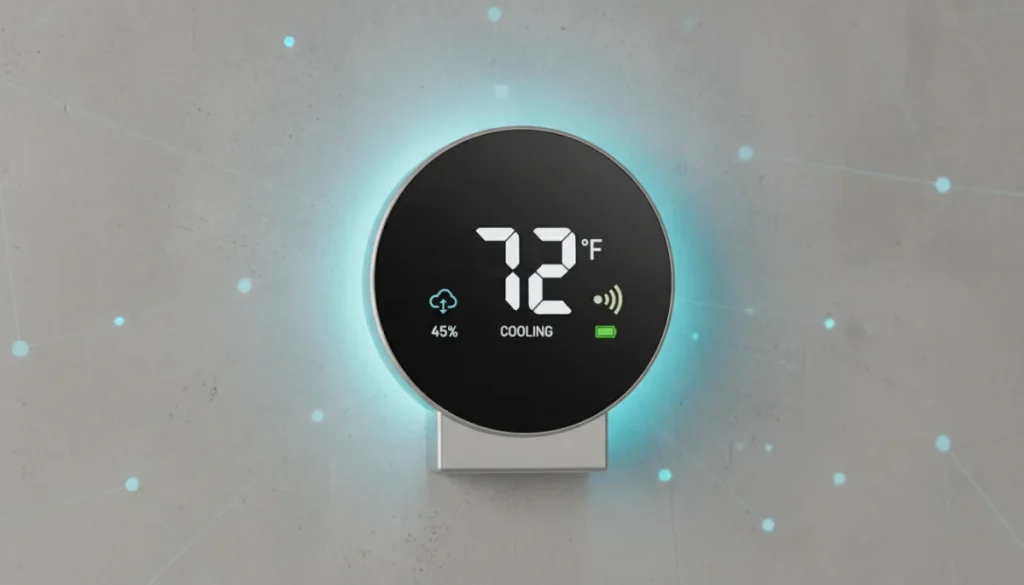
Smart thermostats revolutionize home climate control by offering advanced features like remote access, intelligent learning algorithms, and energy usage insights, leading to enhanced comfort and significant utility savings.
In today’s increasingly connected world, managing your home environment has evolved far beyond simple on/off switches. Welcome to the era of smart thermostat features, where comfort meets cutting-edge technology. These innovative devices are transforming how we interact with our heating and cooling systems, promising not just convenience but also substantial energy savings and a more harmonious living space.
Understanding the Core of Smart Thermostats
Smart thermostats are much more than traditional temperature controllers; they are sophisticated devices designed to optimize your home’s climate. By connecting to your home’s Wi-Fi network, they offer a range of intelligent functionalities that enhance both comfort and efficiency.
At their heart, these devices leverage data and connectivity to provide a personalized heating and cooling experience. They move beyond basic scheduling, incorporating adaptive learning and external data to make informed decisions about your home’s climate.
Beyond Basic Scheduling: Adaptive Learning
One of the most compelling aspects of smart thermostats is their ability to learn. Unlike programmable thermostats that require manual input for schedules, smart models observe your habits and preferences over time, automatically adjusting temperature settings.
- Self-Programming: Many smart thermostats can build a schedule based on your typical usage patterns within a week or two.
- Occupancy Sensors: Some models use built-in sensors or integrate with external smart home devices to detect when you are home or away, adjusting temperatures accordingly.
- Geofencing: This feature uses your smartphone’s location to determine your proximity to home, initiating heating or cooling before you arrive and saving energy when you leave.
The core concept here is proactive energy management. Instead of you telling the thermostat what to do, it learns to anticipate your needs, ensuring comfort when you’re home and efficiency when you’re not. This adaptive learning is a cornerstone of their energy-saving potential.
In essence, understanding smart thermostats means recognizing their capacity for intelligent automation. They aim to simplify climate control while simultaneously maximizing energy savings through their sophisticated learning capabilities and connectivity.
Remote Control and Accessibility from Anywhere
The ability to control your home’s temperature from anywhere is a primary driver for many considering a smart thermostat. This feature provides unparalleled convenience and peace of mind, allowing you to manage your environment even when you’re miles away.
Whether you’re on vacation, at work, or simply in another room, remote access ensures you’re always in command of your home’s climate. This level of accessibility is a significant upgrade from traditional thermostats.
Smartphone Integration for Seamless Control
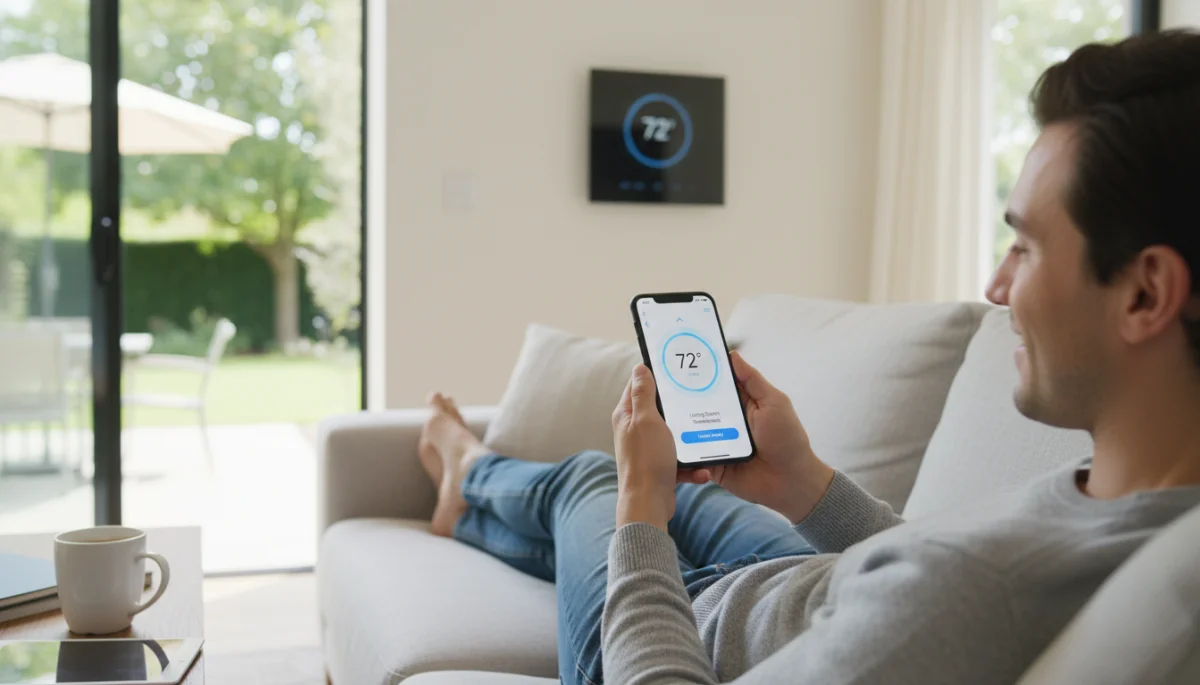
Most smart thermostats come with dedicated smartphone applications. These apps serve as your central command center, offering a user-friendly interface to adjust settings, view energy reports, and receive alerts.
Imagine heading home from a long day and being able to warm or cool your house before you even step through the door. This isn’t just about comfort; it’s about optimizing energy usage by not running your HVAC system unnecessarily when no one is home.
- Real-time Adjustments: Change temperature settings instantly from your phone.
- Schedule Management: Easily create, modify, or pause heating/cooling schedules.
- Away Mode Activation: Manually switch to an energy-saving ‘away’ mode, or let geofencing handle it automatically.
The apps often provide detailed insights into your energy consumption, allowing you to track usage patterns and identify opportunities for further savings. This transparency empowers users to make more informed decisions about their energy consumption.
Ultimately, remote control and accessibility transform how homeowners interact with their HVAC systems. It provides a level of flexibility and convenience that traditional thermostats simply cannot match, contributing significantly to both comfort and energy efficiency.
Energy Efficiency and Savings Potential
One of the most compelling arguments for investing in a smart thermostat is its potential to significantly reduce energy consumption and, consequently, lower utility bills. These devices are engineered with energy savings at their forefront, employing various strategies to optimize HVAC operation.
Beyond the convenience, the financial and environmental benefits are substantial. Smart thermostats provide tools and insights that empower homeowners to make more informed decisions about their energy usage.
Detailed Energy Reporting and Insights
Many smart thermostats offer comprehensive energy reports, often accessible through their companion apps or web portals. These reports break down your heating and cooling usage, showing you exactly where and when energy is being consumed.
This data is invaluable for identifying inefficiencies and understanding your consumption habits. For example, you might discover that your system is running excessively during certain hours when no one is home, prompting you to adjust your schedule or leverage geofencing more effectively.
- Usage Trends: Visualize daily, weekly, or monthly energy consumption patterns.
- Saving Tips: Receive personalized recommendations based on your usage data.
- Cost Estimates: Some apps even provide estimated cost savings based on your adjustments.
The combination of adaptive learning, remote control, and detailed energy reporting creates a powerful ecosystem for energy management. These features work synergistically to ensure your HVAC system operates only when needed, at the most efficient temperatures, leading to tangible savings.
In conclusion, the energy efficiency capabilities of smart thermostats extend far beyond simple programming. They offer intelligent automation and detailed insights that empower homeowners to take control of their energy consumption, leading to a more sustainable and cost-effective home environment.
Integration with Smart Home Ecosystems
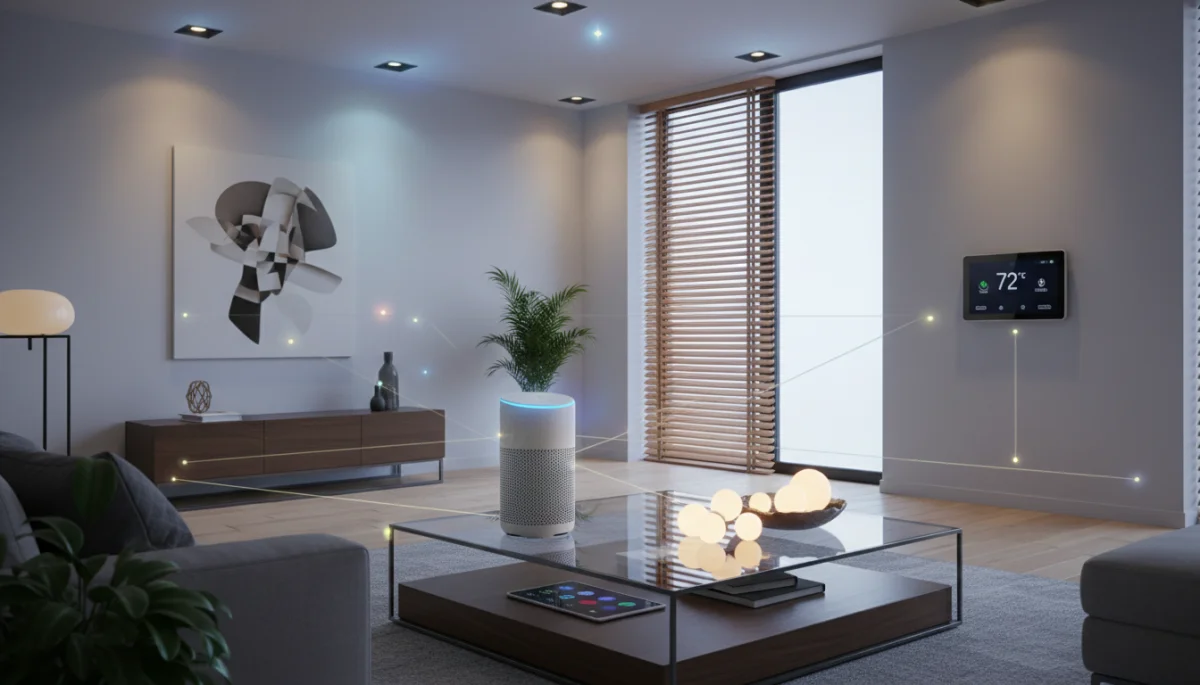
The true power of smart thermostats is often realized when they are integrated into a larger smart home ecosystem. Their ability to communicate and cooperate with other smart devices elevates home automation to a new level, offering seamless and interconnected control.
This interoperability means your thermostat doesn’t operate in isolation but becomes a vital component of a comprehensive smart home strategy, enhancing comfort, security, and efficiency across the board.
Voice Control and Platform Compatibility
A significant advantage of smart thermostats is their compatibility with popular voice assistants like Amazon Alexa, Google Assistant, and Apple HomeKit. This allows for hands-free control, making temperature adjustments as simple as a voice command.
Beyond voice control, many smart thermostats integrate with various smart home platforms and protocols, such as Zigbee or Z-Wave, allowing them to interact with a wide array of devices, from smart lighting to security systems.
- Automated Scenes: Create custom scenes where your thermostat adjusts temperature when you lock your smart door or turn off your lights.
- IFTTT Integration: Use ‘If This Then That’ (IFTTT) recipes to connect your thermostat with other apps and devices for advanced automation.
- Centralized Control: Manage all your smart devices, including the thermostat, from a single smart home hub or app.
For example, you could set up a routine where your thermostat automatically lowers the temperature when your smart security system is armed in ‘away’ mode. Or, have your smart lights dim and the temperature adjust to a comfortable sleeping level when you say “Goodnight” to your voice assistant.
The integration capabilities of smart thermostats make them a cornerstone of any modern smart home. They not only manage your climate efficiently but also contribute to a more responsive, automated, and convenient living experience by working in harmony with other connected devices.
Advanced Features: Beyond Temperature Control
While their primary function is climate control, many smart thermostats boast a suite of advanced features that extend their utility far beyond simply adjusting the temperature. These functionalities add layers of convenience, safety, and personalized comfort.
These sophisticated capabilities differentiate smart thermostats from their simpler predecessors, offering users a more comprehensive and intelligent approach to home management.
Air Quality Monitoring and Humidity Control
Some premium smart thermostats include sensors that monitor indoor air quality and humidity levels. This information can be crucial for maintaining a healthy and comfortable living environment, especially for individuals with allergies or respiratory issues.
If integrated with a humidifier or dehumidifier, the thermostat can automatically adjust these systems to maintain optimal humidity levels, preventing issues like mold growth or excessively dry air.
- HVAC System Monitoring: Receive alerts for potential HVAC system malfunctions or when it’s time for filter changes.
- Fan Control: Intelligent fan control can circulate air even when heating or cooling isn’t active, improving air circulation and comfort.
- Weather Integration: Access local weather forecasts and adjust schedules based on upcoming temperature changes.
These advanced features highlight the evolution of smart thermostats into comprehensive home environmental management systems. They provide not just temperature regulation but also contribute to overall indoor air quality and system health, offering a more holistic approach to home comfort.
The continued development of these advanced features means smart thermostats are becoming increasingly indispensable tools for creating healthier, more comfortable, and more efficient homes, moving well beyond their initial role as simple climate controllers.
Installation, Compatibility, and Future Trends
Before diving into the world of smart thermostats, understanding their installation requirements, compatibility with existing HVAC systems, and the exciting future trends is crucial. This knowledge ensures a smooth transition and maximizes the benefits of your investment.
The landscape of smart home technology is constantly evolving, and thermostats are no exception, with new innovations continually emerging to enhance their capabilities.
DIY vs. Professional Installation and Compatibility Checks
Many smart thermostats are designed for relatively easy DIY installation, often requiring basic tools and following clear instructions provided by the manufacturer. However, some older HVAC systems or more complex setups might necessitate professional installation.
Compatibility is a key consideration. Most smart thermostats work with standard 24V heating and cooling systems, but it’s essential to check if your system requires a ‘C-wire’ (common wire) for continuous power. If your current thermostat doesn’t have one, you might need to install an adapter or hire an electrician.
- C-Wire Requirement: Verify if your chosen model needs a C-wire and if your system has one.
- System Type: Ensure compatibility with your specific HVAC system (e.g., conventional, heat pump, multi-stage).
- Online Tools: Many manufacturers offer online compatibility checkers to guide you.
Looking ahead, future trends in smart thermostats point towards even greater intelligence and integration. Expect more sophisticated AI-driven learning, enhanced predictive capabilities based on hyper-local weather data, and deeper integration with utility demand response programs to further optimize energy consumption.
Additionally, advancements in sensor technology could lead to more precise occupancy detection and personalized comfort zones within different areas of the home. The evolution of Matter and other universal smart home standards will also simplify integration, making smart thermostats even more accessible and powerful components of the connected home.
Understanding these aspects ensures you select the right smart thermostat for your home and are prepared for the future of intelligent climate control.
| Key Feature | Brief Description |
|---|---|
| Adaptive Learning | Automatically learns user preferences and optimizes schedules for comfort and efficiency. |
| Remote Control | Adjusts home temperature from anywhere using a smartphone app or web interface. |
| Energy Reporting | Provides detailed insights into energy consumption, helping identify saving opportunities. |
| Smart Home Integration | Connects with voice assistants and other smart devices for unified home automation. |
Frequently Asked Questions About Smart Thermostats
The primary benefit is enhanced energy efficiency and cost savings. By intelligently managing your HVAC system based on occupancy, learned preferences, and external factors, smart thermostats prevent unnecessary heating or cooling, leading to lower utility bills and reduced environmental impact.
Many smart thermostats are designed for DIY installation, typically taking less than an hour. However, some systems, especially older ones without a common (C) wire, might require an adapter or professional assistance to ensure proper power supply and functionality.
Absolutely. One of the key features of smart thermostats is remote control capabilities. Through a dedicated smartphone app, you can adjust settings, create schedules, and monitor energy usage from anywhere with an internet connection, providing ultimate convenience.
Smart thermostats use advanced algorithms to learn your habits over time. They observe when you adjust the temperature, when you’re home or away (often via geofencing or occupancy sensors), and even factor in external weather conditions to create an optimized, energy-saving schedule automatically.
While most smart thermostats offer broad compatibility with major smart home ecosystems like Amazon Alexa, Google Assistant, and Apple HomeKit, specific integration capabilities can vary. It’s always best to check the product specifications for compatibility with your existing smart home devices and platforms.
Conclusion
The journey through the intricate world of smart thermostat features reveals devices far more sophisticated than their traditional counterparts. From their adaptive learning capabilities and convenient remote control to their significant energy-saving potential and seamless integration within broader smart home ecosystems, these intelligent devices are redefining home comfort and efficiency. By embracing smart thermostats, homeowners can achieve a level of climate control that is not only personalized and effortless but also environmentally conscious and cost-effective, truly making them a cornerstone of the modern connected home.
