The Social App Landscape: Comparing Top Messaging Platforms

The social app landscape offers a diverse array of messaging platforms, each with distinct features and privacy protocols, catering to varied user needs for communication and interaction in a constantly evolving digital world.
In today’s hyper-connected world, understanding the social app landscape: a comparison of top messaging platforms for user interaction is more crucial than ever. From instant messages to video calls, these applications have redefined how we communicate, collaborate, and connect. Choosing the right platform can significantly impact your digital experience, whether for personal use or professional networking.
The Evolution of Digital Communication
The journey of digital communication has been nothing short of revolutionary. What started with simple text messages has blossomed into a sophisticated ecosystem of social applications offering a myriad of functionalities. This evolution has been driven by technological advancements and a growing global demand for instant and seamless connectivity.
Early messaging platforms were primarily text-based, focused on one-to-one communication. As internet speeds increased and smartphones became ubiquitous, these apps began integrating multimedia sharing, voice calls, and eventually, video conferencing. The shift from basic utilities to comprehensive social hubs has transformed how individuals and communities interact, blurring the lines between personal and public communication.
From SMS to Rich Media Messaging
The transition from traditional SMS to rich media messaging applications marked a pivotal moment. SMS was limited by character counts and lacked the ability to send images or videos easily. Modern messaging apps, however, leverage internet connectivity to offer a far richer experience.
- Multimedia Sharing: Users can effortlessly share photos, videos, documents, and even location data.
- Group Chats: Facilitate communication among multiple individuals, essential for families, friends, and project teams.
- Voice and Video Calls: Offer free, high-quality calls over Wi-Fi or data, often with group calling capabilities.
These enhancements have not only made communication more convenient but also more expressive and engaging. The ability to react with emojis, send animated stickers, and create personalized avatars adds layers of personality to digital conversations.
The Rise of Social Integration
Beyond core messaging features, many platforms have integrated social networking elements. This includes features like stories, status updates, and even discovery sections that allow users to find and connect with new communities or content. This integration aims to create a more holistic digital experience, keeping users within a single app for various social activities.
The continuous development in this space means that platforms are constantly introducing new features to stay competitive and cater to evolving user expectations. Understanding these foundational shifts is key to appreciating the current social app landscape.
Key Players in the Messaging Arena: A Snapshot
The messaging app market is dominated by a few major players, each with a distinct user base and set of features. These applications have become integral to daily life for billions of people worldwide. While they all aim to facilitate communication, their approaches to privacy, user experience, and additional functionalities can vary significantly.
Understanding the strengths and weaknesses of these key players is crucial for anyone looking to navigate the complex social app landscape. From global giants to privacy-focused alternatives, the options are plentiful, and the choice often comes down to individual priorities.
WhatsApp: The Global Leader
WhatsApp, owned by Meta, boasts the largest user base globally. Its widespread adoption is largely due to its simplicity, cross-platform compatibility, and early adoption of end-to-end encryption for all messages and calls. It has become a default communication tool for many, especially in international contexts.
- End-to-End Encryption: Ensures privacy by encrypting messages from sender to receiver.
- Group Features: Robust group chat capabilities, including broadcast lists and community features.
- Business Accounts: Offers tools for small businesses to interact with customers.
Despite its popularity, WhatsApp has faced scrutiny regarding its data sharing policies with parent company Meta, leading some users to seek alternatives. However, its sheer ubiquity makes it an indispensable tool for many.
Telegram: Feature-Rich and Cloud-Based
Telegram has carved a niche for itself by offering a feature-rich experience, often appealing to users seeking more advanced functionalities and a cloud-based approach to messaging. It’s known for its large group capacities, channels, and secret chats with self-destructing messages.
Unlike WhatsApp, Telegram’s default chats are not end-to-end encrypted, though secret chats offer this protection. Its emphasis on speed and security, alongside its open API for developers, has attracted a significant following, particularly among tech-savvy users and communities.
Signal: The Privacy Champion
Signal is widely regarded as the gold standard for privacy and security in messaging. It offers end-to-end encryption for all communications by default, including messages, voice, and video calls. Its open-source protocol has been independently audited, further cementing its reputation for trustworthiness.
While Signal’s feature set might not be as extensive as some of its competitors, its unwavering commitment to user privacy makes it a preferred choice for activists, journalists, and anyone prioritizing secure communication. Its growth has been significant in recent years, driven by increasing public awareness of data privacy concerns.
User Interaction and Experience: What Matters Most?
Beyond the core functionality of sending messages, the user interaction and overall experience offered by a social app are paramount. A platform’s success often hinges on its interface, ease of use, and the specific features it provides to enhance communication. Different apps cater to varying preferences, from minimalist designs to highly customizable environments.
The nuances of user experience can dictate whether an app becomes a daily essential or a seldom-used utility. Factors such as sticker availability, theme customization, and the smoothness of media sharing all contribute to the overall appeal and stickiness of a platform.
Interface Design and Usability
A clean, intuitive interface is fundamental to a positive user experience. Apps like WhatsApp and Signal prioritize simplicity, offering straightforward chat screens and easy access to core features. This minimalist approach reduces the learning curve and makes them accessible to a broad demographic.
Conversely, apps like Telegram offer more customization options, allowing users to change themes, chat backgrounds, and even the app icon. While this caters to users who enjoy personalizing their digital space, it can sometimes lead to a slightly more complex initial setup.
- Intuitive Navigation: Users should be able to find features easily without extensive searching.
- Readability: Clear fonts, appropriate color schemes, and well-organized chat bubbles enhance communication.
- Accessibility Features: Support for screen readers, adjustable font sizes, and high-contrast modes are increasingly important.
The effectiveness of an app’s design directly impacts how users interact with it on a daily basis. A frustrating interface can quickly lead to user attrition, regardless of how powerful the underlying features are.
Features Enhancing Communication
Modern messaging apps go beyond basic text to offer a rich suite of features designed to make communication more dynamic and engaging. These include:
- Voice and Video Calls: High-quality calls, often with group functionality, have become standard.
- Stickers and Emojis: Provide expressive ways to convey emotions and add personality to conversations.
- File Sharing: The ability to send documents, images, and videos seamlessly is crucial for both personal and professional use.
- Location Sharing: Enables users to share their real-time location, useful for meeting up or ensuring safety.
Each feature, no matter how small, contributes to the overall communication experience. The continuous innovation in this area ensures that platforms remain fresh and relevant to user needs.
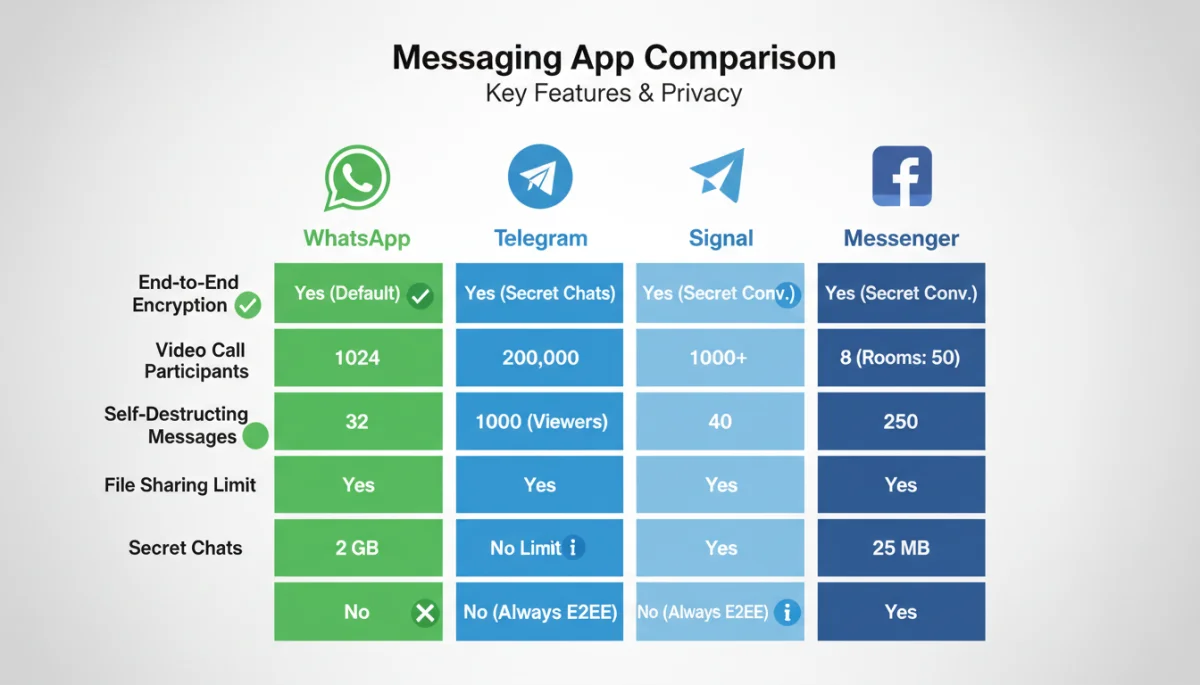
Privacy and Security: A Growing Concern
In an era where data breaches and privacy invasions are common headlines, the privacy and security features of messaging platforms have become a primary concern for users. The choice of a messaging app often boils down to the level of trust users place in the platform’s ability to protect their data and conversations. This section delves into the critical aspects of privacy and security within the social app landscape.
Users are increasingly aware of their digital footprint and the importance of safeguarding their personal information. Consequently, apps that prioritize robust encryption, transparent data policies, and minimal data collection are gaining significant traction. The debate around privacy is not just about personal preference but also about fundamental digital rights.
Understanding End-to-End Encryption
End-to-end encryption (E2EE) is the cornerstone of secure messaging. It ensures that only the sender and intended recipient can read the messages, and not even the messaging service provider can access the content. This technology is crucial for protecting sensitive conversations from eavesdropping and unauthorized access.
- Sender-Recipient Only: Messages are encrypted on the sender’s device and decrypted only on the recipient’s device.
- Data Protection: Prevents third parties, including the app provider, from reading your communications.
- Authentication: Often includes mechanisms to verify the identity of participants to prevent impersonation.
While many popular apps claim to offer E2EE, the implementation and scope can vary. Some apps offer it by default for all chats, while others require users to opt-in for ‘secret chats’ or only apply it to specific types of communication.
Data Collection and Privacy Policies
Beyond encryption, an app’s data collection practices and privacy policies are critical. Users should be aware of what data an app collects, how it’s stored, and with whom it might be shared. This includes metadata (who you communicate with, when, and how often), device information, and usage patterns.
Platforms like Signal are known for their minimal data collection, often only storing the bare essentials needed for the service to function. In contrast, apps owned by larger tech companies, such as Meta’s WhatsApp and Messenger, often collect more data, which can be linked to other services for advertising purposes. Transparency in these policies is vital for users to make informed decisions about their digital privacy.
The regulatory landscape, including laws like GDPR and CCPA, has also pushed companies to be more explicit about their data handling practices, empowering users with greater control over their personal information.
Specialized Platforms: Beyond General Messaging
While mainstream messaging apps cater to a broad audience, the social app landscape also features specialized platforms designed for niche purposes or specific user groups. These apps often provide unique features that go beyond general communication, addressing particular needs in areas like professional networking, gaming, or community building. Understanding these specialized options can broaden one’s perspective on the diverse functionalities available.
These platforms demonstrate the versatility and adaptability of social technology, proving that there isn’t a one-size-fits-all solution for digital interaction. Their existence enriches the overall ecosystem, offering alternatives for users with distinct requirements that general messaging apps might not fully satisfy.
Discord: Communities and Gaming
Discord has evolved from a gaming-focused chat app into a versatile platform for various communities. It offers voice, video, and text communication channels organized into servers, allowing users to create dedicated spaces for shared interests, hobbies, or professional groups.
- Server-Based Structure: Organize communication into distinct channels for different topics.
- Voice Chat: High-quality voice communication, ideal for gaming and collaborative work.
- Bots and Integrations: Extensive customization through bots that add functionality and automate tasks.
Its robust moderation tools and ability to host large, active communities make it a powerful tool for group interaction that extends far beyond simple messaging.
Slack and Microsoft Teams: Professional Collaboration
For professional environments, platforms like Slack and Microsoft Teams have become indispensable. These apps are designed to facilitate team communication, project management, and file sharing within organizations. They integrate with numerous business tools, streamlining workflows and enhancing productivity.
They offer features such as dedicated channels for projects or departments, direct messaging, video conferencing, and extensive search capabilities. While they include messaging, their primary focus is on structured collaboration and enterprise-level communication, distinguishing them from more casual social messaging apps.
Niche Social Apps
Beyond these, countless niche social apps cater to very specific interests, from dating apps to platforms for artists, musicians, or specific hobbyists. These apps often succeed by providing a highly tailored experience and features that resonate deeply with their target audience, fostering strong, focused communities.
The existence of these specialized platforms highlights the vast and diverse needs of users in the digital age, demonstrating that the social app landscape is continually expanding to fill every conceivable communication gap.
The Business of Messaging: Monetization and Data
Behind every free messaging app lies a business model, and understanding how these platforms monetize their services is essential for a complete picture of the social app landscape. The methods range from advertising and premium subscriptions to data monetization, each with implications for user experience and privacy. This commercial aspect often influences feature development and policy changes, directly impacting users.
The financial sustainability of these platforms is crucial for their continued operation and innovation. However, the pursuit of revenue can sometimes create tension with user privacy expectations, leading to public debate and shifts in user loyalty.
Advertising and Data Monetization
Many free messaging apps, especially those owned by larger tech conglomerates, rely on advertising as a primary revenue stream. This often involves collecting user data to deliver targeted ads, either within the app itself or across other platforms. The extent of data collection varies greatly, with some apps gathering extensive information about user behavior and preferences.
- Targeted Ads: Using user data to show relevant advertisements.
- Data Sharing: Sharing anonymized or aggregated data with third parties for market research.
- Business Messaging: Charging businesses for advanced tools to communicate with customers.
The controversy surrounding data monetization often stems from concerns about privacy and the potential for misuse of personal information. Users are becoming more discerning about apps that offer a “free” service at the cost of their data.
Subscription Models and Premium Features
Some messaging apps, particularly those focused on privacy or specialized functionalities, adopt a subscription-based model or offer premium features for a fee. This approach aligns the app’s financial success more directly with user satisfaction rather than data exploitation. Users pay for enhanced features, ad-free experiences, or additional storage.

Examples include Telegram’s Premium tier, which offers larger file uploads, faster downloads, and exclusive stickers. This model allows apps to maintain strong privacy commitments, as their revenue isn’t dependent on selling user data.
Donations and Open-Source Funding
A few privacy-focused apps, like Signal, operate on donations and grants from foundations or individuals. This model entirely removes the incentive for data collection or advertising, ensuring that the app’s sole focus remains on user privacy and security. While less common for large-scale operations, it represents the highest standard of user privacy in the messaging space.
The business model of a messaging app is a critical factor in understanding its long-term strategy and its commitment to user privacy. Users should be aware of these underlying financial structures when choosing their communication platforms.
Future Trends: What’s Next for Messaging Apps?
The social app landscape is constantly evolving, driven by technological advancements and changing user expectations. Predicting the future of messaging apps involves observing current trends and anticipating how new technologies will integrate into our digital communication habits. From enhanced privacy features to immersive experiences, the next generation of messaging promises to be even more dynamic.
Key areas of development include artificial intelligence, augmented reality, and the continued emphasis on user control over data. These innovations are set to reshape how we interact with each other and with the digital world through our messaging platforms.
Integration of AI and Automation
Artificial intelligence is poised to play an even larger role in messaging apps. AI-powered features could include smarter chatbots for customer service, automated message filtering, language translation in real-time, and even predictive text suggestions that are more contextually aware. This could significantly enhance efficiency and convenience for users.
- Smart Replies: AI-generated response suggestions based on conversation context.
- Language Translation: Real-time translation for seamless cross-cultural communication.
- Chatbots: More sophisticated bots for information retrieval, task management, and customer support.
The challenge will be to implement these AI features while maintaining user privacy and ensuring that automation enhances, rather than detracts from, human connection.
Enhanced Privacy and Decentralization
As privacy concerns continue to grow, there will likely be an increased demand for apps with even stronger privacy protections and potentially decentralized architectures. Decentralized messaging, where no single entity controls the network, could offer ultimate censorship resistance and data security.
This trend might also lead to more transparent data policies, greater user control over personal information, and a move towards open-source protocols that allow for independent verification of security claims. Users are increasingly seeking platforms that empower them with ownership over their digital interactions.
Immersive Experiences: AR and VR
The development of augmented reality (AR) and virtual reality (VR) technologies could transform messaging into more immersive experiences. Imagine conducting video calls in a shared virtual space or sending AR-enhanced messages that overlay digital content onto the real world.
While still in early stages for mainstream messaging, these technologies have the potential to make digital communication feel more personal and engaging, bridging the gap between physical and virtual interactions. The metaverse concept, though nascent, hints at a future where our social apps are gateways to rich, interactive digital worlds.
Choosing the Right Platform for You
Navigating the vast and varied social app landscape can be daunting, but making an informed choice is crucial for a communication experience that aligns with your needs and values. There isn’t a single “best” messaging app; rather, the ideal platform depends on individual priorities, whether they lean towards privacy, a rich feature set, or a specific community focus.
Consider your primary use cases, who you communicate with, and your comfort level with data sharing. By evaluating these factors, you can effectively choose the app that best serves your digital lifestyle and ensures a satisfying interaction experience.
Assessing Your Communication Needs
Start by identifying your core communication requirements. Do you primarily use the app for:
- Personal Chats: Simple, secure one-on-one and small group conversations.
- Professional Collaboration: Tools for team communication, file sharing, and project management.
- Community Building: Platforms for large groups with shared interests, often requiring robust moderation.
- Multimedia Sharing: Frequent exchange of photos, videos, and large files.
If privacy is paramount, Signal might be your top choice. If you need a broad reach and international connectivity, WhatsApp’s ubiquity is hard to beat. For extensive customization and large community features, Telegram or Discord could be more suitable. Professionals will likely gravitate towards Slack or Microsoft Teams.
Privacy vs. Convenience
Often, there’s a trade-off between ultimate privacy and widespread convenience. Apps with the highest privacy standards might have smaller user bases, making it harder to connect with everyone you know. Conversely, widely adopted apps might come with more extensive data collection practices.
It’s important to find a balance that you are comfortable with. Reading privacy policies and understanding an app’s encryption methods can help you make an informed decision. Remember that your data is valuable, and choosing an app that respects your privacy is a significant step towards digital well-being.
Looking Ahead: Adaptability and Future-Proofing
The social app landscape is dynamic. What’s popular today might be less so tomorrow. Consider platforms that demonstrate a commitment to continuous improvement, security updates, and adaptability to new technologies. An app that evolves with user needs and technological advancements is more likely to remain relevant in the long run.
Ultimately, the best platform is one that you feel comfortable and secure using, that meets your communication needs, and that aligns with your personal values regarding privacy and data. Don’t hesitate to try different apps to find your perfect fit.
| Key Aspect | Brief Description |
|---|---|
| End-to-End Encryption | Ensures messages are private between sender and receiver, unreadable by the service provider. |
| Data Collection Policies | Vary widely among apps, impacting user privacy and potential for targeted advertising. |
| User Interface & Features | Impacts usability and communication richness, from simple chats to advanced multimedia sharing. |
| Monetization Models | Influences app development and privacy, ranging from advertising to subscriptions or donations. |
Frequently Asked Questions About Messaging Apps
End-to-end encryption (E2EE) ensures that only the sender and recipient can read messages. It’s crucial because it protects your conversations from being intercepted or read by third parties, including the app provider, thus safeguarding your privacy and security.
Many free messaging apps generate revenue through advertising, by collecting user data for targeted ads, or by offering business solutions. Some also provide premium features via subscriptions, while others, like Signal, rely on donations to maintain their services.
Signal is widely regarded as the most private messaging app. It offers end-to-end encryption for all communications by default, has an open-source protocol, and maintains a strict policy of minimal data collection, prioritizing user privacy above all else.
Yes, many messaging apps can serve both purposes, but specialized platforms like Slack or Microsoft Teams are often better suited for professional collaboration due to their integrated project management and extensive sharing features. General apps like WhatsApp are common for mixed use.
Future trends include greater integration of AI for smarter features, enhanced privacy through decentralization, and more immersive experiences using augmented and virtual reality. These advancements aim to make communication more efficient, secure, and engaging for users worldwide.
Conclusion
The social app landscape is a dynamic and multifaceted environment, continually reshaping how we connect and interact. From the global reach of WhatsApp to the privacy-centric approach of Signal, and the community focus of Discord, each platform offers a unique value proposition. Understanding the intricate balance between features, user experience, privacy, and business models is paramount for making informed choices in this ever-evolving digital world. As technology progresses, users can anticipate even more sophisticated and integrated communication tools, further blurring the lines between our digital and physical interactions. Ultimately, selecting the right messaging app boils down to personal priorities and the specific needs of your communication style, ensuring a secure and satisfying digital experience.
