Winter 2026 in the United States marks a major turning point for conscious fashion. While style remains important, more American women are refusing to choose between looking good and doing good. Sustainable winter fashion is no longer a niche trend — it’s the mainstream choice for those who want high-quality, warm, stylish pieces that don’t harm the planet. From the snowy streets of New York and Chicago to the milder winters of Los Angeles and San Francisco, consumers are demanding coats, knits, and accessories made with recycled materials, traceable wool, organic cotton, and innovative plant-based alternatives.
This season, sustainability isn’t about sacrifice. It’s about better design: longer-lasting garments, lower carbon footprints, and pieces that feel as luxurious as traditional luxury items. Brands like Reformation, Patagonia, Everlane, Madewell, Outerknown, and even high-end labels such as Stella McCartney, Chloé, and The Row are leading the way with collections specifically created for real American winters. Whether you live in a freezing Midwest city or a rainy West Coast town, sustainable winter fashion 2026 delivers warmth, style, and peace of mind.
The movement is driven by growing awareness of the environmental impact of fast fashion. The fashion industry is responsible for roughly 10% of global carbon emissions, and winter outerwear is one of the biggest contributors because of energy-intensive production and short garment lifespans. In 2026, American shoppers are voting with their wallets for brands that use recycled polyester from plastic bottles, regenerative wool, Tencel, and innovative materials like pineapple leather or mycelium-based fabrics.
Why Sustainability Is the Biggest Trend in Winter 2026
American consumers are more informed than ever. A 2025 survey by McKinsey showed that 78% of U.S. shoppers now consider sustainability when buying winter clothing, up from 62% just two years ago. This shift is especially strong among Millennials and Gen Z, who make up the majority of the fashion-buying population. They want coats and knits that last for 5–10 winters instead of one season.
Sustainable fashion also aligns perfectly with the practical needs of American winters. High-quality eco-materials often perform better: recycled down and synthetic fills are warmer and drier than cheap alternatives, regenerative wool is naturally temperature-regulating, and plant-based fabrics resist pilling and fading. In short, choosing sustainable pieces means better performance and less waste.
Eco-Friendly Materials Dominating Winter 2026
The materials making headlines this season are as beautiful as they are responsible:
- Regenerative Wool & Cashmere: Sourced from farms practicing carbon-sequestering grazing. These fibers are softer, stronger, and have a much lower environmental footprint.
- Recycled Polyester & Nylon: Made from ocean plastics and post-consumer waste. Used in puffers and technical outerwear, they are lightweight, waterproof, and incredibly durable.
- Tencel & Organic Cotton: Breathable, biodegradable, and grown without harmful pesticides — perfect for base layers and mid-layer knits.
- Innovative Plant-Based Leathers: Made from apple, pineapple, or mushroom mycelium. These vegan alternatives are used in jackets, boots, and bags.
- Responsible Down & Recycled Fill: Traceable down from ethical farms and recycled polyester fills that match the warmth of traditional down without animal harm.
These materials don’t just reduce impact — they often feel more luxurious and perform better in harsh winter conditions.
Must-Have Eco-Friendly Coats for 2026
The coat is the biggest investment in any winter wardrobe, so 2026 offers excellent sustainable options:
- Recycled Wool Overcoats: Long, tailored styles in camel, charcoal, or navy that last for years.
- Recycled Down Puffers: Lightweight yet incredibly warm, often with water-repellent shells made from ocean plastics.
- Faux Shearling & Teddy Coats: Made with recycled polyester that looks and feels like real shearling but has zero animal impact.
- Regenerative Wool Capes & Ponchos: Dramatic yet practical for transitional weather in cities like San Francisco or Atlanta.
These coats are designed to be wardrobe heroes — versatile enough to wear with both preppy and sporty outfits while staying warm in temperatures as low as 0°F.
Sustainable Knits That Keep You Warm and Stylish
Knits are the backbone of sustainable winter layering in 2026. Look for:
- Regenerative Cashmere Sweaters & Cardigans: Ultra-soft, traceable, and often GRS-certified (Global Recycled Standard).
- Organic Merino Wool Turtlenecks & Base Layers: Naturally odor-resistant and temperature-regulating.
- Recycled Yarn Chunky Knits: Bold cable patterns made from plastic bottles.
- Tencel Blend Sweaters: Silky, breathable, and biodegradable.
These knits are not only eco-friendly but often more durable than conventional versions, meaning fewer replacements over time.
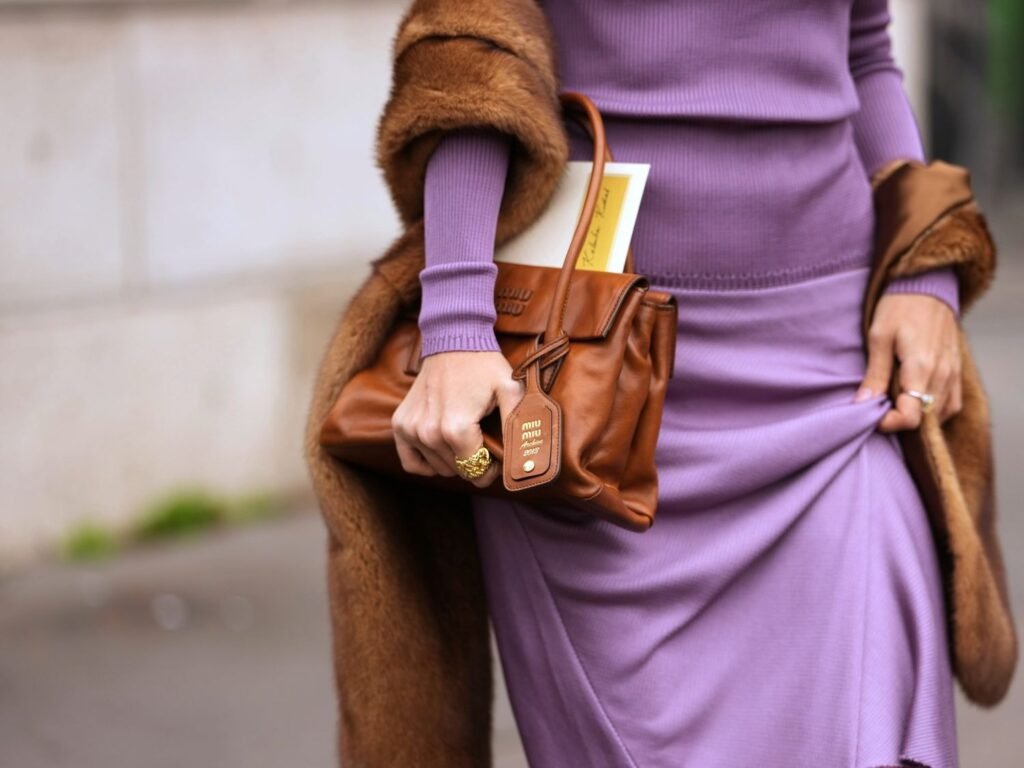
Warm Accessories with Low Environmental Impact
Accessories complete the sustainable look without adding waste:
- Recycled Wool Scarves & Beanies: Soft, warm, and often made from leftover yarn.
- Vegan Leather Gloves: Made from apple or mushroom leather.
- Ethical Down or Recycled Fill Mittens: Traceable and incredibly warm.
- Sustainable Socks & Leggings: Organic cotton or recycled materials with reinforced heels.
These small items have a big cumulative impact when chosen responsibly.
City-by-City Sustainable Styling Tips
New York / Boston: Layer a regenerative wool coat over a cashmere sweater and recycled down vest. Add a recycled wool scarf for wind protection.
Chicago / Midwest: Choose a recycled puffer with faux shearling lining and merino base layers.
Los Angeles / San Francisco: Opt for lighter regenerative wool cardigans and Tencel knits with a sustainable trench.
South (Atlanta, Dallas): Focus on breathable organic cotton knits and transitional recycled wool jackets.
How to Build a Sustainable Winter Capsule Wardrobe
Start with 8–10 high-quality pieces: one versatile coat, two sweaters, one puffer, base layers, and key accessories. Choose neutral colors so everything mixes. Repair instead of replace, and buy second-hand when possible. This approach reduces consumption while keeping your style fresh.
Where to Shop in 2026
Top sustainable brands to watch: Reformation, Patagonia, Everlane, Outerknown, Kotn, Naadam (for cashmere), and thrift apps like ThredUp or Depop for pre-loved luxury pieces. Many department stores like Nordstrom now have dedicated sustainable collections.
Sustainable Winter Fashion 2026 proves that you can stay warm, look incredible, and protect the planet at the same time. By choosing eco-friendly coats, knits, and accessories, you’re investing in pieces that last longer, perform better, and create a positive impact. This season, style and sustainability finally go hand in hand — and the result is the most beautiful, responsible winter wardrobe America has ever seen.