Understanding Messaging App Interoperability Standards

Messaging app interoperability standards are essential for enabling seamless communication between disparate platforms, fostering a unified digital experience for users and organizations alike.
In an increasingly connected world, the ability for different communication platforms to talk to each other is no longer a luxury but a fundamental necessity. This is precisely where understanding messaging app interoperability standards comes into play, offering a pathway to bridge the divides between various digital ecosystems and unlock unprecedented levels of connectivity.
The Dawn of Seamless Digital Communication
The digital landscape is a vast tapestry woven with countless applications, each designed to serve specific communication needs. From instant messaging to video calls, these apps have revolutionized how we interact. However, their siloed nature often creates friction, compelling users to juggle multiple platforms to connect with different contacts. This fragmentation underscores the growing imperative for interoperability, a concept that promises to dissolve these barriers and usher in an era of truly seamless digital communication.
Interoperability, at its core, refers to the ability of different systems, devices, applications, or products to connect and communicate in a coordinated way, without any effort from the end-user. For messaging apps, this means a user on WhatsApp could effortlessly exchange messages with a user on Telegram, or Signal, without either party needing to switch apps or use workarounds. This vision, while ambitious, is becoming increasingly attainable as technological advancements and regulatory pushes converge to demand more open communication ecosystems.
The benefits of achieving this level of integration are profound, touching upon user convenience, business efficiency, and even broader societal connectivity. It moves beyond mere technical compatibility, aiming for a holistic integration that maintains functionality, security, and user experience across diverse platforms. The journey towards this unified communication environment is complex, requiring careful consideration of various technical, security, and privacy implications, but the potential rewards are substantial.
Ultimately, the drive for seamless digital communication is about empowering users. It’s about giving them the freedom to choose their preferred messaging app without being locked into a particular ecosystem, and ensuring that their ability to connect is never hindered by the choice of platform made by their friends, family, or colleagues. This shift promises to redefine our digital interactions, making them more fluid, inclusive, and efficient than ever before.
Why Interoperability Matters for Messaging Apps
The significance of interoperability for messaging applications extends far beyond mere convenience; it addresses fundamental challenges in user experience, market dynamics, and the very fabric of digital communication. Without it, users are often trapped in walled gardens, forced to adapt to the fragmented choices of their contacts, leading to inefficiencies and frustration. This section delves into the multifaceted reasons why interoperability is not just desirable but essential for the future of messaging.
Firstly, from a user perspective, interoperability dramatically enhances the communication experience. Imagine a world where you don’t need to ask someone which messaging app they use; you simply send a message, and it arrives regardless of their platform. This eliminates the need for maintaining multiple accounts, switching between apps, and the constant mental overhead of remembering who is on which service. It streamlines communication, making it more intuitive and less burdensome for everyone.
Breaking Down Communication Silos
The current landscape of messaging apps is characterized by distinct silos, where each platform operates independently. This isolation creates significant barriers to universal communication, limiting who users can connect with directly and often dictating their choice of messaging service based on network effects rather than preference or features.
- Enhanced User Experience: Users can communicate with anyone, anywhere, regardless of their chosen app.
- Increased Reach: Businesses and organizations can reach a wider audience without needing to integrate with every single app.
- Reduced Friction: Eliminates the need for users to manage multiple apps for different contacts.
Secondly, for businesses and developers, interoperability opens up new avenues for innovation and market expansion. Developers can focus on creating superior features and user experiences rather than constantly building bridges to other platforms. Businesses can reach their customers more effectively, irrespective of the messaging app they prefer, leading to better customer service and engagement. This fosters a more competitive environment, where innovation is rewarded, and user choice drives progress.
Moreover, interoperability plays a crucial role in promoting digital inclusion. In many parts of the world, access to certain messaging apps might be limited due to device compatibility, data costs, or local regulations. By enabling cross-platform communication, interoperability can help ensure that everyone has the ability to connect, fostering a more equitable digital society. It democratizes communication, making it accessible to a broader demographic.
In essence, the move towards interoperability is a move towards a more open, efficient, and user-centric digital world. It addresses the fundamental human need for connection by removing artificial barriers, ultimately leading to a richer and more inclusive communication experience for all.
Key Technical Standards and Protocols
Achieving true interoperability in messaging apps is a complex technical undertaking, reliant on the development and adoption of robust standards and protocols. These technical frameworks serve as the common language that allows disparate systems to understand and exchange information effectively. Understanding these key technical underpinnings is crucial to appreciating the challenges and opportunities in building a connected messaging ecosystem.
At the heart of many interoperability efforts are open standards, which are publicly available specifications that allow different parties to implement compatible systems. These standards ensure that various applications can interpret and process messages, media, and other data in a consistent manner, regardless of their underlying architecture. Without such agreements, every app would speak a different dialect, making cross-platform communication impossible.
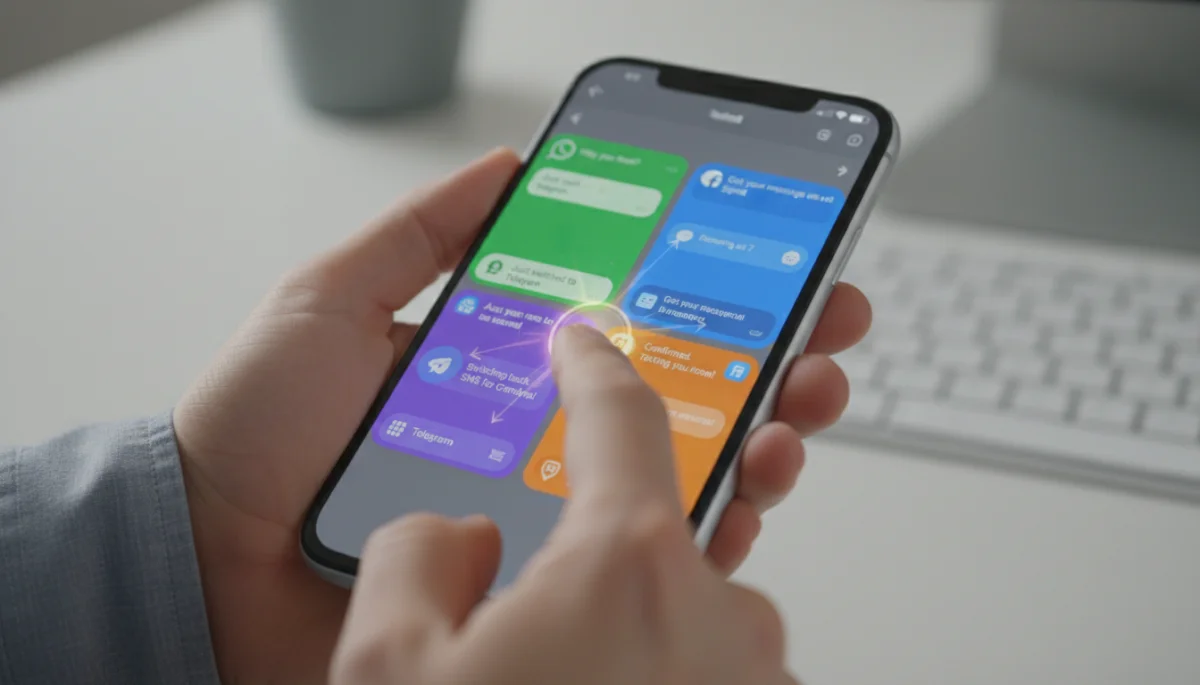
One prominent example of an interoperability standard is the Matrix protocol. Matrix is an open standard for decentralized, real-time communication. It allows users to communicate across different services and applications that support the protocol. This means that a user on a Matrix-compatible app could chat with someone on another Matrix-compatible app, even if those apps are developed by different companies. It emphasizes identity, encryption, and data ownership, aiming to create a truly open and secure communication network.
Common Protocols for Interoperability
Several protocols and technologies are either currently used or are being explored to facilitate messaging app interoperability. Each has its strengths and weaknesses, and the choice often depends on the specific requirements for security, scalability, and decentralization.
- XMPP (Extensible Messaging and Presence Protocol): An open, XML-based protocol for instant messaging and presence information, widely used in federated chat systems.
- MDC (Message Differentiaion Code): While not a direct interoperability standard for messaging apps, concepts from secure communication protocols are critical.
- RCS (Rich Communication Services): A standard for enhanced messaging over cellular networks, often seen as an upgrade to SMS, offering richer features like read receipts, typing indicators, and higher-quality media sharing.
Another critical aspect involves APIs (Application Programming Interfaces). APIs define the methods and protocols for different software components to interact. For messaging apps, well-defined APIs can enable third-party developers to integrate their services, allowing for functions like sending messages from a CRM system or receiving notifications in a custom dashboard. While not a direct interoperability standard between end-user apps, robust API ecosystems are vital for broader digital integration.
Furthermore, the concept of federation is key to many interoperable systems. Federation allows independently run servers to communicate with each other, forming a larger, distributed network. This contrasts with centralized systems where all communication flows through a single provider. Federated protocols like Matrix and XMPP are designed to prevent single points of failure and increase resilience, offering a more democratic approach to digital communication.
In conclusion, the technical landscape of messaging app interoperability is rich and evolving. It requires a commitment to open standards, secure protocols, and flexible architectural designs to overcome the inherent complexities of connecting diverse digital platforms. The ongoing development and adoption of these technical standards will ultimately determine the success of a truly unified communication future.
Challenges and Roadblocks to Universal Interoperability
While the vision of universal messaging app interoperability is appealing, its realization is fraught with significant challenges and roadblocks. These obstacles are not merely technical; they encompass complex issues related to business models, security, privacy, and regulatory frameworks. Addressing these multifaceted hurdles is essential for any meaningful progress towards a more connected messaging ecosystem.
One of the primary challenges stems from the proprietary nature of many popular messaging applications. Companies like Meta (WhatsApp, Messenger) and Apple (iMessage) have built vast user bases within their closed ecosystems. Their business models often rely on retaining users within their platforms, making them reluctant to open their systems to competitors. The perceived loss of control over user data, advertising revenue, and ecosystem lock-in presents a powerful disincentive for embracing open interoperability.
Security and Privacy Concerns
Interoperability introduces complex security and privacy considerations. When messages traverse different platforms, ensuring end-to-end encryption and data protection becomes significantly more challenging. Each platform has its own security architecture and privacy policies, and reconciling these differences without compromising user data is a monumental task.
- Maintaining End-to-End Encryption: Ensuring messages remain encrypted across different app infrastructures.
- Data Handling and Storage: Harmonizing diverse data retention and privacy policies across platforms.
- Spam and Abuse Prevention: Developing shared mechanisms to combat spam, phishing, and malicious content in a federated environment.
Another significant roadblock is the technical complexity involved in translating features and functionalities between different apps. Messaging apps offer a wide array of features, from ephemeral messages and rich media sharing to group calls and interactive bots. Ensuring that all these features work seamlessly and consistently across different platforms, without degradation of user experience, requires intricate technical mapping and standardization.
Regulatory frameworks also play a critical, albeit sometimes conflicting, role. While some regions, like the European Union with its Digital Markets Act (DMA), are pushing for mandatory interoperability, these regulations often face resistance from established tech giants. Furthermore, varying national laws regarding data privacy and surveillance can complicate global interoperability efforts, requiring solutions that respect diverse legal landscapes.
Finally, user adoption and network effects pose their own challenges. Even if technical solutions for interoperability exist, convincing users to switch to or adopt new interoperable systems can be difficult, especially when their friends and family are deeply entrenched in existing, non-interoperable platforms. Overcoming these entrenched habits and fostering a widespread understanding of the benefits of interoperability is crucial for its success.
In summary, while the technical pathways to interoperability are becoming clearer, the socio-economic and regulatory hurdles remain substantial. A concerted effort involving policymakers, tech companies, and user advocacy groups will be necessary to navigate these complexities and pave the way for a truly interconnected messaging future.
The Role of Regulatory Bodies and Initiatives
The push for messaging app interoperability is not solely a technical or market-driven phenomenon; it is increasingly influenced by the actions of regulatory bodies and various government-led initiatives. Recognizing the potential for market dominance and user lock-in, regulators worldwide are beginning to step in, aiming to level the playing field and empower consumers. Their role is pivotal in shaping the future of digital communication.
One of the most significant regulatory developments is the European Union’s Digital Markets Act (DMA). This landmark legislation designates certain large online platforms as “gatekeepers” and imposes specific obligations on them, including a mandate for interoperability for their messaging services. The DMA aims to ensure that gatekeepers provide a level playing field for smaller competitors and allow users greater freedom to choose their services without being penalized. This is a direct challenge to the closed ecosystems prevalent in today’s messaging landscape.

The DMA specifically targets end-to-end encrypted messaging services, requiring them to open up to interoperability with smaller messaging providers. This means that, for instance, WhatsApp might eventually be required to allow users from other messaging apps to send and receive messages from its platform. This regulatory pressure is a game-changer, forcing tech giants to reconsider their long-standing closed-system strategies and invest in interoperable solutions.
Global Regulatory Landscape
While the EU has taken a leading role, other regions and countries are also exploring or implementing similar measures. The global nature of digital services means that regulatory actions in one major market can have ripple effects worldwide, influencing how technology companies design and operate their products.
- European Union (Digital Markets Act): Mandates interoperability for designated gatekeeper messaging services.
- United States: Discussions around antitrust and competition laws are ongoing, potentially leading to similar interoperability requirements.
- United Kingdom: Investigating digital market competition, with potential for future regulatory interventions in messaging.
Beyond direct mandates, regulatory bodies also play a role in fostering the development of open standards. They can encourage collaboration among industry players, provide funding for research into interoperable technologies, and convene stakeholders to reach consensus on common protocols. This facilitative role is crucial for building the technical foundations necessary for widespread interoperability.
However, the implementation of these regulations is not without challenges. Defining the scope of interoperability, ensuring security and privacy across diverse platforms, and policing compliance are complex tasks. Regulators must strike a delicate balance between promoting competition and innovation while safeguarding user data and preventing abuse. The ongoing dialogue between policymakers, tech companies, and civil society will be critical in navigating these complexities.
In conclusion, regulatory bodies and their initiatives are increasingly becoming a driving force behind messaging app interoperability. Their actions are pushing the industry towards a more open and competitive future, ultimately benefiting users by breaking down digital silos and fostering greater choice and connectivity.
The Future of Messaging: A Unified Communication Ecosystem
The trajectory of messaging app development is clearly pointing towards a future where seamless, unified communication is the norm rather than the exception. The ongoing advancements in interoperability standards, coupled with increasing regulatory pressure and user demand, are collectively paving the way for an ecosystem where digital conversations flow effortlessly across platforms. This vision promises to fundamentally transform how we interact, both personally and professionally.
In this unified communication ecosystem, the choice of a messaging app will become less about who else is on the platform and more about individual preferences for features, interface, and privacy controls. Users will no longer be captive to a single service, gaining the freedom to communicate with anyone, regardless of their chosen provider. This shift will empower consumers, fostering a more competitive market where innovation and user experience become the primary differentiators, rather than network effects.
The long-term implications for businesses are also profound. A unified messaging environment will simplify customer outreach, support, and engagement. Companies will be able to connect with their audience through a single interface or API, eliminating the need to manage multiple communication channels. This efficiency will translate into improved customer satisfaction, streamlined operations, and new opportunities for delivering value through integrated services.
Emerging Technologies and Trends
Several emerging technologies and trends are poised to accelerate the move towards a unified communication ecosystem, enhancing the capabilities of interoperable messaging solutions.
- Decentralized Identity: Technologies that allow users to control their digital identity, facilitating secure and private cross-platform authentication.
- Federated Social Networks: The rise of federated platforms (like Mastodon) demonstrates the viability and user interest in decentralized, interoperable communication.
- AI-Powered Translation: Real-time translation services integrated into interoperable apps could further break down language barriers in global communication.
Moreover, the integration of messaging with other digital services is expected to deepen. Imagine a scenario where your calendar app, project management tool, and customer relationship management (CRM) system can all seamlessly communicate through your preferred messaging interface, providing real-time updates and facilitating collaborative workflows. This level of integration will unlock new efficiencies and redefine productivity across various domains.
However, realizing this future will require continuous effort in addressing the persistent challenges of security, privacy, and data governance. As communication becomes more fluid, ensuring that user data remains protected and that platforms are resilient against abuse will be paramount. The development of robust, open-source security protocols and transparent data handling practices will be crucial for building trust in a unified ecosystem.
Ultimately, the future of messaging is one of openness, flexibility, and empowerment. By embracing and refining interoperability standards, we are moving towards a digital world where communication is truly universal, breaking down barriers and fostering deeper connections across the globe. This evolution promises to make our digital lives richer, more efficient, and more inclusive.
Implementing Interoperability: Practical Steps and Considerations
For developers, businesses, and even individual users, understanding the practical steps and considerations involved in implementing messaging app interoperability is crucial. While the overarching vision is grand, the path to achieving it involves concrete technical decisions, strategic planning, and a careful navigation of various practical challenges. This section outlines key aspects for those looking to engage with or implement interoperable messaging solutions.
One of the first practical steps involves choosing the right interoperability standard or protocol. As discussed, options like Matrix and XMPP offer different approaches to decentralization, security, and feature sets. The selection should be based on the specific needs of the application or service, considering factors such as the desired level of decentralization, security requirements, scalability, and the existing ecosystem of compatible services. A thorough evaluation of these protocols is essential.
Key Implementation Considerations
Implementing interoperability is not a one-size-fits-all endeavor; it requires careful planning and consideration of various technical and operational factors to ensure a smooth and secure integration.
- API Integration: Leveraging well-documented and secure APIs to connect different messaging services or functionalities.
- Data Mapping and Transformation: Ensuring that data (messages, media, user profiles) can be accurately translated and exchanged between systems with different data structures.
- User Identity Management: Developing robust systems for managing user identities across federated or interconnected platforms, ideally with decentralized identity solutions.
For developers, this often means working with open-source libraries and SDKs that support chosen protocols. These tools can significantly reduce the development effort and provide a solid foundation for building interoperable features. Contributing to these open-source projects also helps in refining the standards and ensuring their robustness and security over time. Engagement with the wider developer community is a valuable asset in this space.
Businesses looking to leverage interoperability for customer communication or internal collaboration should consider adopting platforms that natively support open standards or offer robust API integrations. This approach future-proofs their communication infrastructure, making it adaptable to evolving industry standards and reducing vendor lock-in. Investing in solutions that prioritize open communication will yield long-term benefits in flexibility and reach.
Security and privacy must be paramount throughout the implementation process. Any interoperable solution must ensure that end-to-end encryption is maintained across all connected platforms and that user data is handled in compliance with the highest privacy standards. Regular security audits, adherence to best practices, and transparent communication with users about data handling are non-negotiable requirements.
Finally, continuous monitoring and adaptation are crucial. The landscape of messaging technology and regulatory requirements is constantly evolving. Implementing interoperability is not a one-time task but an ongoing process that requires vigilance, flexibility, and a willingness to adapt to new challenges and opportunities. Staying informed about new standards, security vulnerabilities, and regulatory changes will be key to maintaining effective and secure interoperable systems.
In essence, the practical implementation of messaging app interoperability requires a blend of technical expertise, strategic foresight, and a commitment to user-centric design and robust security. By taking these steps, organizations and individuals can actively contribute to and benefit from a more connected digital world.
| Key Aspect | Brief Description |
|---|---|
| User Empowerment | Allows users freedom to choose their preferred app without communication barriers. |
| Open Standards | Protocols like Matrix and XMPP enable cross-platform communication. |
| Regulatory Influence | DMA and similar acts are mandating interoperability for gatekeeper platforms. |
| Challenges Ahead | Proprietary interests, security, and technical complexities remain significant hurdles. |
Frequently Asked Questions About Messaging Interoperability
Messaging app interoperability refers to the ability of different messaging services to communicate with each other. This means a user on one app could send messages to a user on another app, creating a seamless communication experience without requiring both parties to use the same platform.
For users, interoperability eliminates the frustration of managing multiple messaging apps to connect with different contacts. It offers greater freedom of choice, enhances convenience, and ensures that communication is not restricted by platform preferences, leading to a more unified digital experience.
Key technical standards include open protocols like Matrix and XMPP, which allow for decentralized, cross-platform communication. Rich Communication Services (RCS) also plays a role in enhancing standard mobile messaging. These standards provide the framework for different apps to understand and exchange data.
Regulations, such as the EU’s Digital Markets Act (DMA), are increasingly mandating interoperability for large messaging platforms. These laws aim to curb anticompetitive practices and break down digital silos, forcing major tech companies to open their services to enable communication with smaller providers.
Major challenges include proprietary business models of large tech companies, ensuring robust security and end-to-end encryption across disparate platforms, and harmonizing diverse privacy policies. Technical complexities in translating features and functionalities also present significant hurdles to overcome.
Conclusion
The journey towards widespread messaging app interoperability is a complex but undeniably crucial undertaking for the future of digital communication. As we navigate the intricate landscape of technical standards, regulatory mandates, and corporate interests, the overarching goal remains clear: to create a more open, inclusive, and user-centric communication ecosystem. While significant challenges persist, the momentum from technological advancements and increasing calls for digital freedom suggests that a unified communication future is not just a possibility, but an emerging reality that will redefine our interactions and empower users globally.
