Utility Bill Scams: Protect Yourself from Fraud
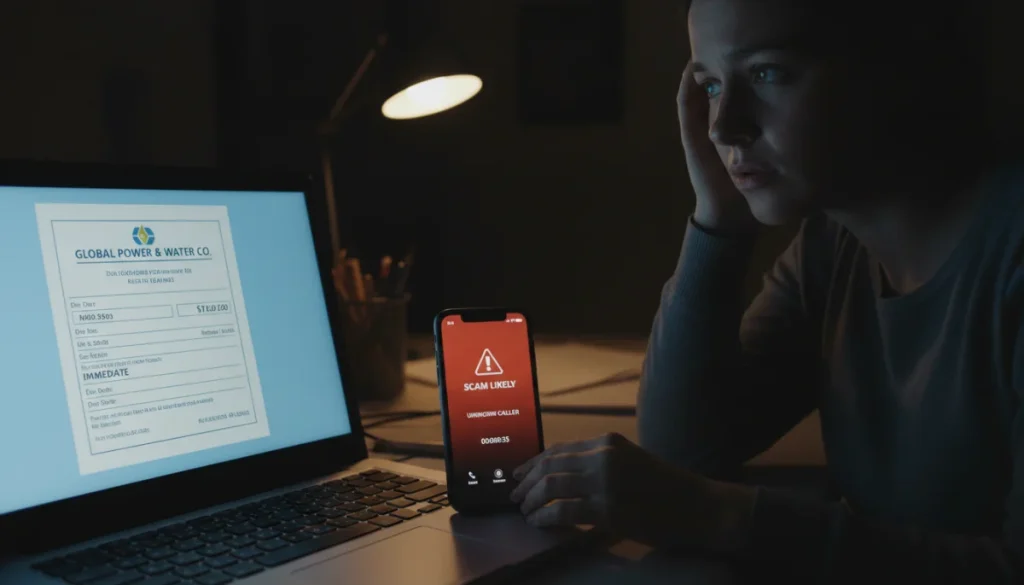
Utility bill scams are a pervasive threat, with fraudsters employing sophisticated tactics to trick consumers into making fraudulent payments or divulging personal information, necessitating vigilance and awareness.
In an increasingly digital world, the threat of utility bill scams has escalated, becoming a significant concern for households and businesses across the United States. These deceptive schemes, often sophisticated and constantly evolving, aim to trick unsuspecting individuals into parting with their money or sensitive personal data. Understanding how these scams operate and recognizing the red flags is crucial for protecting your finances and peace of mind. This article will delve into the various forms of utility bill fraud, offering practical advice and strategies to help you stay one step ahead of scammers.
Understanding the Landscape of Utility Scams
Utility scams are not new, but their methods have become increasingly diverse and harder to detect. Scammers exploit our reliance on essential services like electricity, gas, and water, preying on fear, urgency, and sometimes even our desire for a good deal. They leverage various communication channels, from phone calls and emails to text messages and even door-to-door visits, making it imperative to be vigilant about every interaction concerning your utility accounts.
These fraudsters often impersonate legitimate utility company representatives, using convincing narratives to pressure victims into immediate action. Their goal is typically to extract payments directly, gain access to bank accounts, or steal personal information that can be used for identity theft. Recognizing the common patterns and tactics employed by these scammers is the first line of defense in protecting yourself and your community.
Common scam tactics to watch out for
Scammers employ a range of tactics, but some are more prevalent than others. Understanding these common approaches can help you identify a scam before it’s too late. They often rely on creating a sense of urgency or fear.
- Threats of immediate disconnection: Scammers often call or text, threatening to cut off service within minutes if an immediate payment isn’t made.
- Demanding specific payment methods: They frequently insist on unusual payment methods like prepaid debit cards, gift cards, or cryptocurrency, which are difficult to trace.
- Requests for personal information: Fraudsters may ask for sensitive data such as Social Security numbers, bank account details, or credit card numbers, claiming it’s for account verification or updates.
- Fake refund or overpayment schemes: Some scams involve notifying you of an overpayment and asking for your bank details to process a supposed refund, which is actually a ploy to steal your information.
By familiarizing yourself with these deceptive strategies, you can better equip yourself to spot and avoid falling victim to utility bill scams. Always question unexpected communications and verify any claims directly with your utility provider through official channels.
Identifying Phishing and Spoofing Attempts
Phishing and spoofing are two of the most common and insidious methods used by scammers to trick consumers. Phishing involves sending fraudulent communications, typically emails or text messages, that appear to come from a legitimate source. Spoofing, on the other hand, involves disguising a communication from an unknown source as being from a known, trusted source, such as your utility company.
These techniques are designed to steal your personal information, such as usernames, passwords, and credit card details, by luring you into clicking malicious links or downloading infected attachments. The sophistication of these attempts has grown, with scammers often mimicking official logos, language, and even website designs to appear credible.
Email phishing red flags
Emails are a primary channel for phishing attacks due to their widespread use. Knowing what to look for can prevent you from becoming a victim. Always scrutinize any email claiming to be from your utility company, especially if it contains urgent requests.
- Generic greetings: Instead of using your name, the email might start with a generic greeting like ‘Dear Customer.’
- Grammar and spelling errors: Official communications from reputable companies rarely contain obvious errors.
- Suspicious links: Hover over links without clicking to see if the URL matches the official utility company website.
- Unusual sender address: Check the sender’s email address for slight variations or unusual domains.
- Demands for immediate action: Be wary of emails threatening service disconnection or demanding immediate payment to avoid penalties.
These red flags are critical indicators of a potential phishing attempt. If an email raises any suspicion, it’s always best to delete it and contact your utility provider directly using a verified phone number or website.
Phone call and SMS spoofing
Scammers often use caller ID spoofing to make it appear as though their calls are coming from your local utility company. They might even mimic the utility company’s automated voice prompts or hold music to enhance the illusion. Similarly, SMS spoofing allows them to send text messages that seem to originate from a legitimate utility number.
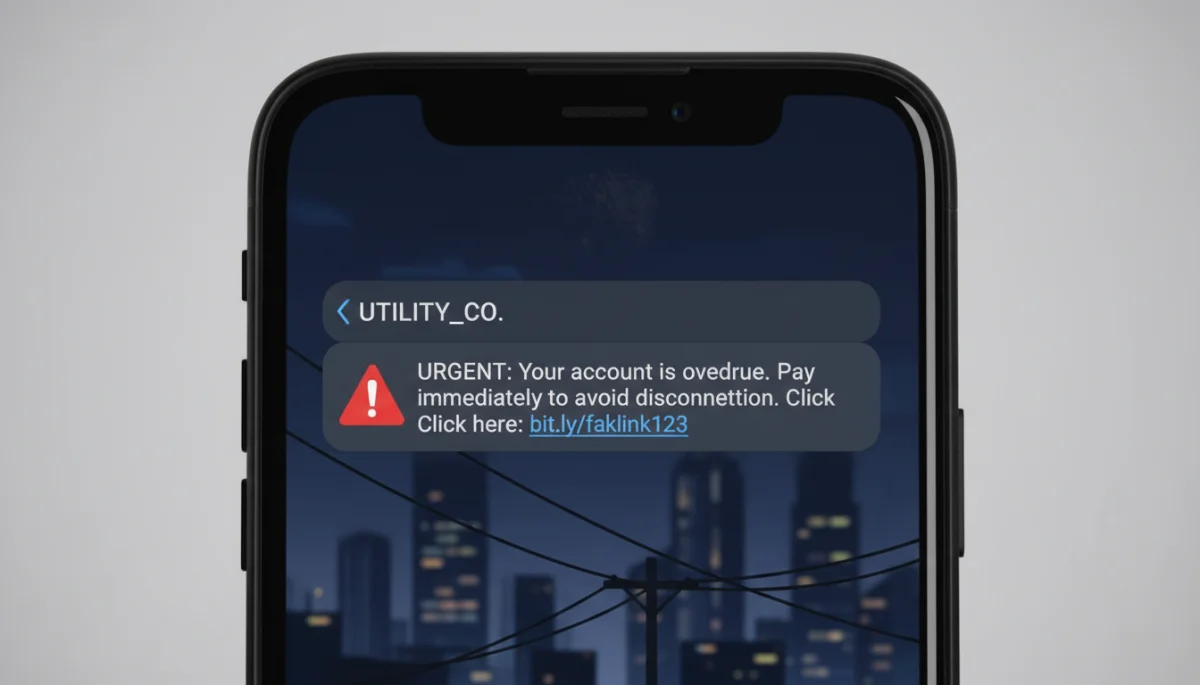
These calls and texts typically involve threats of service disconnection or demands for immediate payment. The scammers often pressure you to act quickly, preventing you from having time to verify their claims. Never provide personal or financial information over the phone or via text in response to an unsolicited call or message. If you receive such a communication, hang up or ignore the text, and then independently contact your utility company using a number from their official website or a previous bill.
Identifying and avoiding phishing and spoofing attempts requires a keen eye for detail and a healthy dose of skepticism. Always prioritize verifying the legitimacy of any communication before taking action, especially when it involves your personal or financial information.
Protecting Yourself from Door-to-Door Scams
While many scams operate digitally, some fraudsters still rely on traditional methods, including door-to-door solicitations. These scams often involve individuals posing as utility company representatives, attempting to gain access to your home, collect personal information, or sign you up for fraudulent services. These types of scams can be particularly dangerous as they involve direct, face-to-face interaction, which can make them feel more legitimate to unsuspecting victims.
Scammers might claim to be conducting meter readings, offering energy audits, or verifying account details. Their primary goal is often to either trick you into signing up for an unnecessary service, gather information for identity theft, or even case your home for a future burglary. Being prepared for such encounters and knowing how to respond is essential for your safety and security.
Verifying legitimate representatives
Legitimate utility company employees will almost always carry official identification and will not object to you verifying their identity. If someone comes to your door claiming to be from your utility company, always take precautions. Never feel pressured to let someone into your home immediately or to provide information on the spot.
- Ask for identification: Always request to see a company ID badge, which should include their name, photo, and the company logo.
- Verify with the company: Call your utility company’s official customer service number (found on your bill or their website, not provided by the visitor) to confirm if they have sent a representative to your address.
- Check for scheduled appointments: Legitimate visits are often scheduled in advance. If you didn’t schedule a visit, be highly suspicious.
- Refuse immediate access: Do not feel obligated to let anyone into your home without proper verification. If they claim it’s an emergency, verify it with the utility company first.
By following these steps, you can significantly reduce your risk of falling victim to door-to-door utility scams. Your safety and personal information are paramount, so always err on the side of caution.
Understanding and Avoiding Payment Scams
Payment scams are perhaps the most direct form of utility fraud, where the scammer’s immediate goal is to extract money from you. These scams often involve threats of service disconnection if an immediate payment is not made through unconventional methods. The urgency created by these threats can lead individuals to make hasty decisions, overriding their usual caution.
Scammers use various methods to demand these payments, from phone calls and emails to text messages. They specifically target individuals who might be vulnerable or under pressure, such as small business owners or those who are late on their bills. Recognizing the signs of a payment scam and understanding safe payment practices are crucial for protecting your finances.
Recognizing suspicious payment requests
Legitimate utility companies have established payment procedures and rarely demand immediate payment through unusual channels. Be highly suspicious if you encounter any of the following requests:
- Demands for prepaid cards or gift cards: Utility companies will never ask you to pay your bill using prepaid debit cards, gift cards (like iTunes or Google Play), or cryptocurrency. These methods are untraceable and often favored by scammers.
- Instructions to wire money: Wiring money is akin to sending cash and is nearly impossible to recover once sent. Legitimate companies do not request payments via wire transfer for standard bills.
- Requests for payment through unofficial apps or websites: Always ensure you are making payments through the official utility company website or a recognized payment portal.
- Phone calls demanding immediate payment: While utility companies might call about overdue bills, they will not threaten immediate disconnection unless payment is made over the phone with an untraceable method. They typically offer various payment options and ample time.
If you receive a suspicious payment request, do not act on it. Instead, contact your utility provider directly using the number on your official bill or their verified website to inquire about your account status. This simple step can save you from significant financial loss.
Protecting Your Personal Information
Beyond immediate financial loss, utility bill scams often aim to steal your personal information for identity theft. This can have long-lasting and devastating consequences, affecting your credit, financial standing, and overall peace of mind. Scammers can use stolen data to open new accounts, make fraudulent purchases, or even file false tax returns in your name. Therefore, safeguarding your personal information is just as important as protecting your money.
Being proactive about privacy and understanding how scammers try to extract information is key. Never assume that a request for personal data, even if it seems innocuous, is legitimate without proper verification. Your personal data is a valuable asset, and treating it as such is essential in the fight against fraud.
Best practices for data security
Adopting strong data security habits can significantly reduce your vulnerability to identity theft through utility scams. These practices extend beyond just recognizing scams and involve how you manage and share your personal information generally.
- Be wary of unsolicited requests: Never provide sensitive information like your Social Security number, bank account details, or credit card numbers to anyone who contacts you unexpectedly, regardless of how official they sound.
- Use strong, unique passwords: Ensure that your online utility accounts are protected with complex passwords that are different from those used for other services. Consider using a password manager.
- Enable two-factor authentication (2FA): If your utility provider offers 2FA for online accounts, enable it. This adds an extra layer of security, requiring a second verification step beyond just a password.
- Shred sensitive documents: Before discarding old utility bills or other documents containing personal information, shred them to prevent dumpster diving scams.
- Monitor your accounts: Regularly review your utility statements, bank accounts, and credit reports for any suspicious activity. Early detection can prevent greater harm.
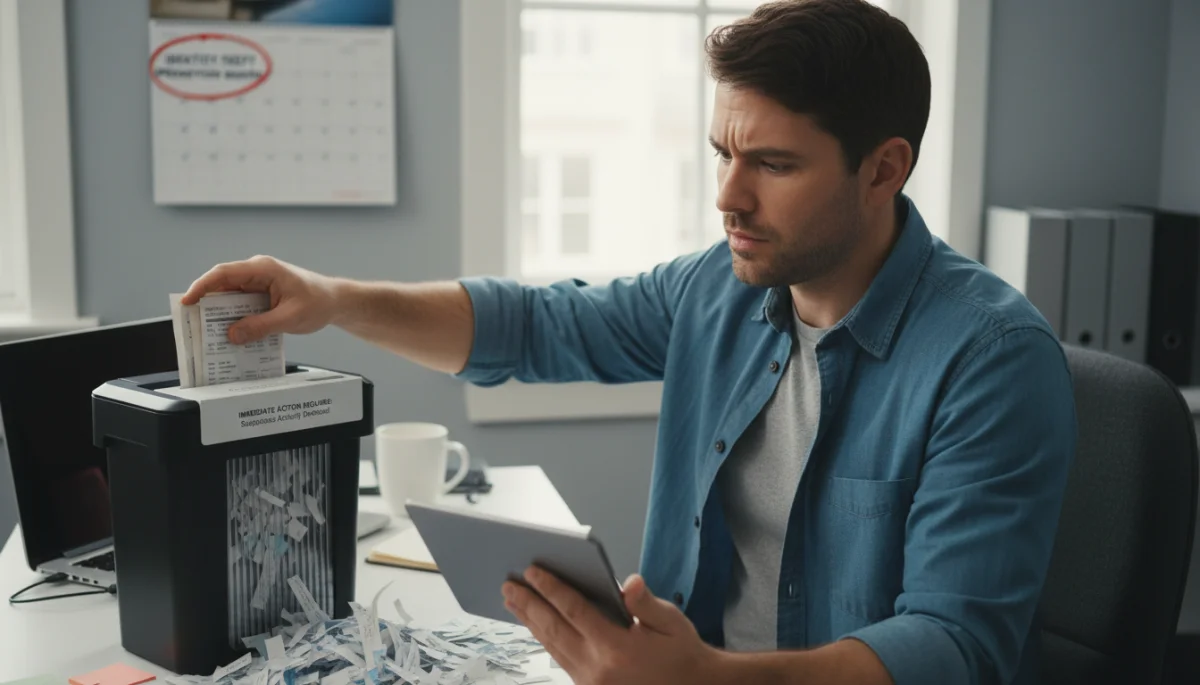
By implementing these best practices, you create a stronger defense against those who seek to exploit your personal information. Vigilance and proactive security measures are your best allies in this ongoing battle.
What to Do if You Suspect a Scam
Even with the best precautions, sometimes a scam attempt might slip through, or you might find yourself in a situation where you’re unsure if a communication is legitimate. Knowing the correct steps to take if you suspect a scam is crucial. Acting quickly and appropriately can prevent financial loss, protect your identity, and help authorities track down fraudsters. It’s important to remember that you are not alone, and resources are available to assist you.
Do not feel embarrassed or ashamed if you’ve been targeted or even if you’ve accidentally engaged with a scammer. The sophistication of these scams means that anyone can be a target. The most important thing is how you respond once you recognize the danger.
Reporting and recovery steps
If you believe you have been targeted by a utility bill scam, or worse, have fallen victim to one, immediate action is necessary. The following steps can help mitigate damage and aid in the investigation:
- Contact your utility company directly: Use the official phone number from your bill or their website to report the scam attempt. They can confirm if the communication was legitimate and provide guidance.
- Do not engage further: If you receive suspicious calls, emails, or texts, do not respond. Block the number or mark the email as spam.
- Report to law enforcement: File a report with your local police department. While they may not always be able to recover funds, your report helps track criminal activity.
- Contact financial institutions: If you’ve provided bank account or credit card details, immediately contact your bank or credit card company to report fraudulent activity and secure your accounts.
- Report to federal agencies: Submit a complaint to the Federal Trade Commission (FTC) at ReportFraud.ftc.gov. You can also report phone scams to the Federal Communications Commission (FCC).
- Monitor credit reports: Place a fraud alert on your credit reports with the three major credit bureaus (Equifax, Experian, and TransUnion) to prevent new accounts from being opened in your name.
Taking these steps can help protect you from further harm and contribute to broader efforts to combat utility bill scams. Your quick response can make a significant difference in preventing further fraud.
The Role of Technology in Scam Prevention
As scammers increasingly leverage technology, so too must consumers and utility companies in their defense. Technology offers powerful tools for both identifying and preventing utility bill scams. From advanced cybersecurity measures to consumer-facing applications, technological solutions are becoming an indispensable part of a comprehensive fraud prevention strategy. Embracing these tools can add significant layers of protection to your digital and financial life.
However, it’s important to remember that technology is a tool, not a complete solution. Human vigilance and critical thinking remain paramount. The most effective defense combines smart technological use with informed personal practices.
Leveraging digital tools and services
Several technological advancements and digital services can assist in protecting you from utility scams:
- Call blocking apps: Many smartphone apps can identify and block known scam numbers, reducing the number of fraudulent calls you receive.
- Email spam filters: Ensure your email provider’s spam filters are robust and regularly check your spam folder for any legitimate emails that might have been miscategorized.
- Antivirus and anti-malware software: Keep your devices protected with up-to-date security software to prevent malware infections from malicious links or attachments.
- Official utility company apps: Download and use your utility provider’s official mobile app for managing your account, checking bills, and making payments. This provides a secure channel for interaction.
- Identity theft protection services: Consider subscribing to a service that monitors your personal information and alerts you to potential threats.
By actively using these technological tools, you create a more secure environment for your interactions with utility companies and beyond. Staying informed about the latest digital security practices is an ongoing process that yields significant protective benefits.
| Key Point | Brief Description |
|---|---|
| Recognize Urgency Tactics | Scammers often threaten immediate disconnection to pressure victims into quick payments. |
| Verify Identity | Always verify the identity of utility representatives via official channels before providing information or access. |
| Unusual Payment Methods | Legitimate utility companies will never demand payment via gift cards, prepaid cards, or cryptocurrency. |
| Report Suspected Scams | Immediately contact your utility provider, local police, and federal agencies if you suspect a scam. |
Frequently Asked Questions About Utility Bill Scams
Always contact your utility company directly using the phone number printed on your official bill or found on their verified website. Never use numbers provided in suspicious emails, texts, or by unsolicited callers, as these are often part of the scam.
Scammers frequently demand untraceable payment methods such as prepaid debit cards, gift cards (e.g., iTunes, Google Play), wire transfers, or cryptocurrency. Legitimate utility companies offer various standard payment options like bank transfers, credit/debit cards, or checks.
Do not panic or act immediately. Hang up the phone or do not respond to the message. Contact your utility provider through their official customer service number to inquire about your account status. Legitimate companies typically provide ample notice before disconnection.
Yes, scammers commonly use caller ID spoofing to make their calls appear to originate from your local utility company. This tactic is designed to trick you into believing the call is legitimate, so always be suspicious of unsolicited calls demanding action.
Never share sensitive personal information such as your Social Security number, bank account details, credit card numbers, or passwords with anyone who contacts you unexpectedly. Only provide such information through secure, verified channels.
Conclusion
The prevalence of utility bill scams underscores the critical importance of consumer awareness and vigilance in today’s interconnected world. Fraudsters are constantly refining their tactics, making it essential for individuals to stay informed about the latest scam techniques and to adopt proactive measures to protect themselves. By understanding how these scams operate, recognizing red flags in suspicious communications, and following established security protocols, you can significantly reduce your risk of falling victim. Always verify the legitimacy of any unexpected contact from your utility provider through official channels, safeguard your personal information diligently, and report any suspicious activity promptly. Your proactive approach not only protects your own finances and identity but also contributes to a safer community for everyone.
